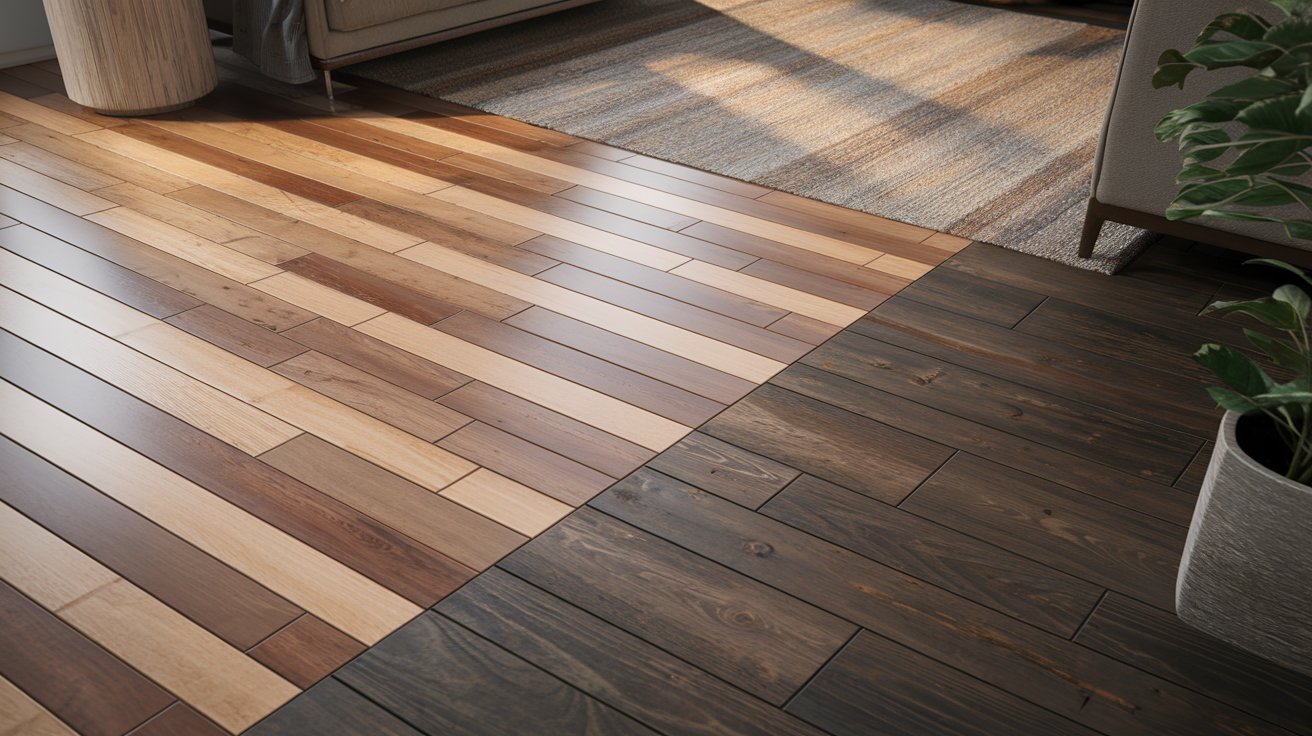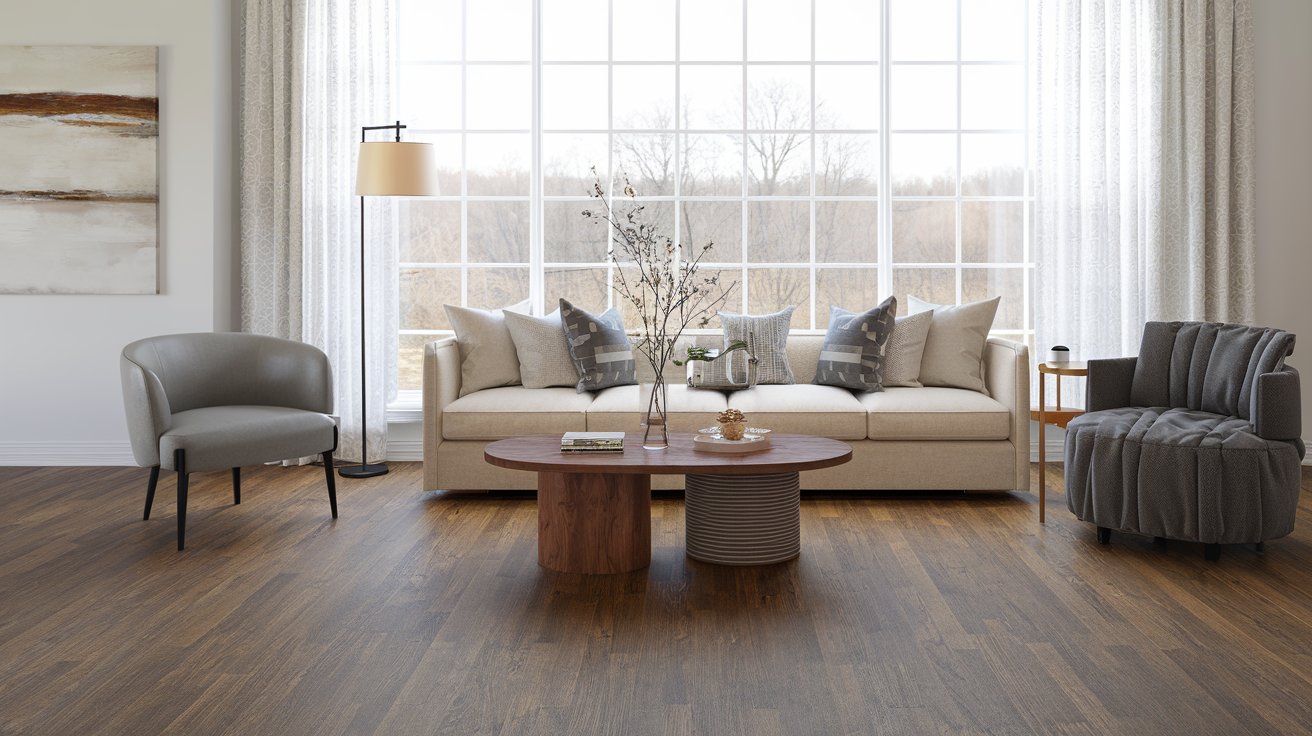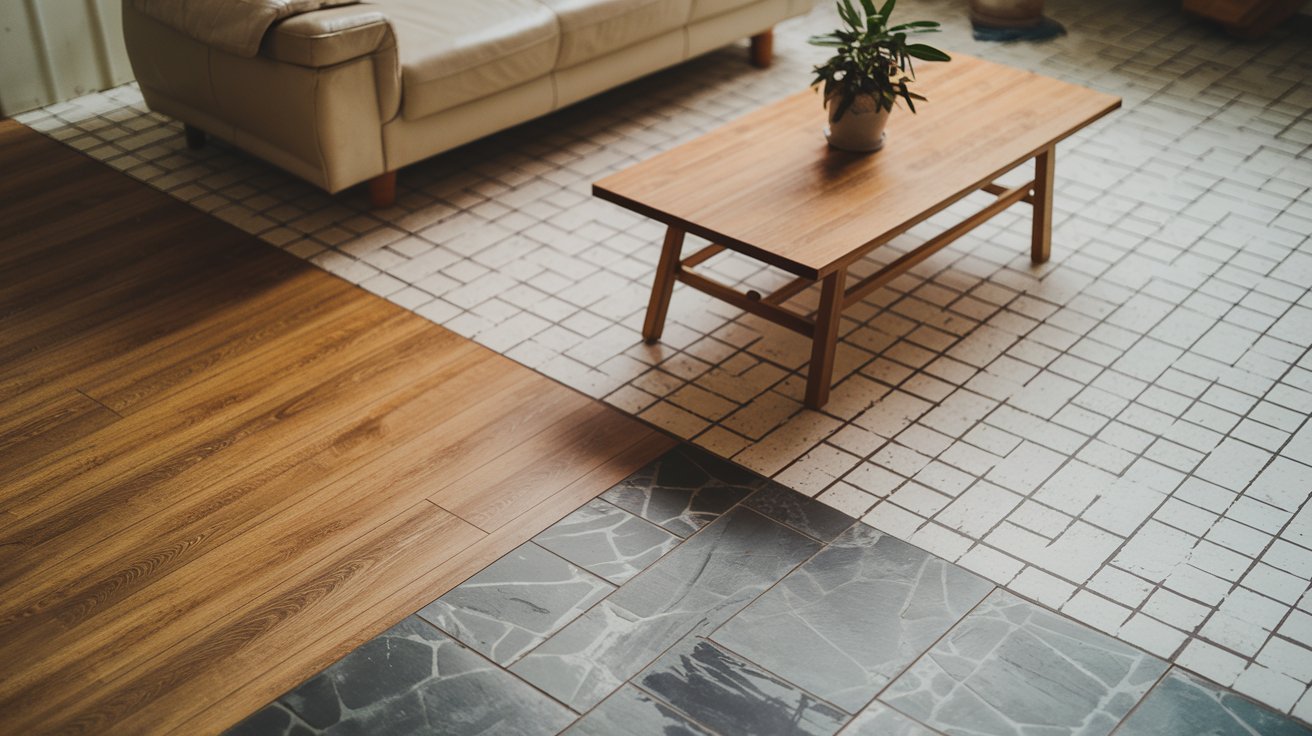
Choosing between laminate and vinyl flooring remains one of the most critical decisions for homeowners in 2026. Both options offer durability and aesthetic appeal at budget-friendly prices, but they differ significantly in composition, performance, and ideal applications. Laminate flooring consists of wood composite layers with a photographic image topped by a protective wear layer, while vinyl flooring is a synthetic material made from PVC. Understanding these differences helps you select the best flooring for your house based on your lifestyle, budget, and room requirements.
What Is the Difference Between Laminate Flooring and Vinyl Flooring?
The fundamental difference between laminate and vinyl flooring lies in their material composition and manufacturing process. Laminate flooring features a high-density fiberboard core made from compressed wood particles, topped with a photographic layer that mimics wood or stone, and sealed with a transparent protective wear layer. This construction gives laminate its rigid structure and authentic wood appearance. In contrast, vinyl flooring consists entirely of synthetic materials, primarily polyvinyl chloride (PVC), with printed design layers and protective coatings that can be either rigid or flexible depending on the product type.
By 2026, vinyl flooring technology has advanced significantly with luxury vinyl plank (LVP) and luxury vinyl tile (LVT) options that include enhanced wear layers ranging from 12 to 40 mils thick. Laminate flooring now commonly features AC ratings from AC3 to AC5, indicating residential to heavy commercial durability levels. The thickness of laminate flooring typically ranges from 6mm to 12mm, while vinyl flooring varies from 2mm for basic sheet vinyl to 8mm for rigid core luxury vinyl. This structural difference affects everything from installation methods to long-term performance in various home environments throughout the United States.
Water Resistance: Which Flooring Handles Moisture Better?
Water resistance represents the most significant performance difference when comparing laminate vs vinyl flooring. Traditional laminate flooring contains a wood-based core that swells and warps when exposed to standing water or prolonged moisture. Even with water-resistant coatings on top and bottom layers, water can penetrate through seams and edges, causing irreversible damage. However, 2026 innovations have introduced waterproof laminate flooring options with specially treated cores and sealed locking systems that resist moisture better than previous generations, though they still cannot match vinyl’s performance.
Vinyl flooring is completely waterproof throughout its entire structure, making it the superior choice for bathrooms, kitchens, laundry rooms, and basements across United States homes. The synthetic composition repels water entirely, preventing absorption and damage even with standing water. This characteristic makes vinyl ideal for high-moisture environments and homes with children or pets prone to spills. Recent 2026 market data shows that waterproof vinyl flooring installations in bathrooms have increased by 34% compared to 2024, with homeowners prioritizing moisture protection in their flooring investments.
Heat Resistance and Radiant Heating Compatibility
Heat resistance characteristics differ substantially between these two flooring options, particularly relevant for homes with radiant floor heating systems popular in colder United States regions. Laminate flooring performs better with radiant heating because its wood composite core conducts heat efficiently and tolerates temperature fluctuations without warping when properly installed. Most laminate products in 2026 are rated for use with radiant heating systems up to 85°F surface temperature, making them compatible with hydronic and electric heating systems beneath the floor.
Vinyl flooring presents more limitations with heat resistance and radiant heating compatibility. The PVC composition can soften, discolor, or release VOCs when exposed to excessive heat. While rigid core luxury vinyl products have improved heat tolerance compared to flexible vinyl, manufacturers typically recommend keeping surface temperatures below 80°F. Direct sunlight through windows can also cause vinyl to fade or expand, requiring precautions like UV-protective window treatments in south-facing rooms. Laminate flooring maintains better dimensional stability under temperature variations, though both materials expand and contract with climate changes, requiring proper acclimation before installation throughout United States climate zones.
Maintenance Requirements and Long-Term Care
Daily maintenance for laminate vs vinyl flooring involves straightforward cleaning routines, but long-term care requirements differ significantly. Laminate flooring requires dry or damp mopping with laminate-specific cleaners, avoiding excessive water that could seep into seams. The protective wear layer resists scratches and stains effectively, but once damaged, individual planks cannot be refinished and must be replaced. Modern 2026 laminate flooring features enhanced surface technologies that resist scuffs from pet claws and furniture movement, with some premium products offering 25-year residential warranties against wear-through and staining.
Vinyl flooring maintenance is exceptionally simple, tolerating wet mopping and standard household cleaners without damage concerns. The waterproof nature prevents moisture-related issues, and the flexible surface resists denting from dropped objects better than rigid laminate. However, vinyl can show scratch marks more visibly on darker colors, and sharp objects may puncture through to the subfloor. Professional refinishing is not possible for either material, making proper maintenance essential for longevity. United States homeowners report spending approximately 40% less time on vinyl flooring maintenance compared to laminate, particularly in high-traffic family areas where quick cleanup is prioritized.
Installation Methods: DIY Feasibility and Professional Costs
Installation complexity and methods represent important considerations when choosing between laminate vs vinyl flooring installation. Both materials commonly feature click-lock floating floor systems that allow DIY installation without adhesives or nails, making them popular choices for budget-conscious homeowners across the United States. Laminate flooring installation requires a completely flat, dry subfloor with foam or cork underlayment for sound reduction and minor imperfection compensation. The rigid planks are less forgiving of subfloor irregularities, requiring more extensive preparation work that can increase installation time and cost.
Vinyl flooring installation offers more flexibility with subfloor conditions, particularly luxury vinyl plank products with attached padding that can accommodate minor imperfections without telegraphing through to the surface. Sheet vinyl requires professional installation with adhesive application, while LVP and LVT click-lock systems enable DIY installation comparable to laminate. For a typical 500 square foot room in 2026, professional laminate installation costs range from $1,200 to $2,000 including materials and labor, while vinyl installation runs $1,400 to $2,400 depending on product quality and subfloor preparation needs. DIY installation reduces costs by approximately 50-60% for both materials, though proper tool investment and skill level significantly impact final results and long-term performance.
Cost Comparison: Material Prices and Total Investment
Budget considerations significantly influence flooring decisions, making vinyl vs laminate flooring cost comparisons essential for United States homeowners planning renovations in 2026. Basic laminate flooring starts at $1.50 to $3.00 per square foot for builder-grade products with AC3 ratings, while premium options with enhanced wear layers and realistic wood textures range from $4.00 to $7.00 per square foot. The cost for laminate flooring in a 2000 square foot house typically ranges from $6,000 to $14,000 including professional installation, underlayment, and transition pieces, positioning it as a mid-range flooring option.
Vinyl flooring costs span an even wider range depending on product type and quality. Sheet vinyl remains the most economical at $0.80 to $2.50 per square foot, while basic luxury vinyl plank starts around $2.00 to $4.00 per square foot. Premium rigid core luxury vinyl flooring with thick wear layers and realistic embossing commands $5.00 to $10.00 per square foot, competing directly with high-end laminate and even some hardwood options. A 2000 square foot home installation with mid-grade vinyl typically costs $8,000 to $16,000 installed, approximately 15-20% more than comparable laminate. However, vinyl’s superior water resistance and lower maintenance requirements often justify the price premium for kitchens, bathrooms, and basement applications where laminate would require replacement sooner.
Durability and Lifespan in Real-World Conditions
Real-world durability determines the true value of laminate vs vinyl flooring investments over time. Laminate flooring demonstrates excellent resistance to scratches, dents, and everyday wear in dry environments, with quality products lasting 15 to 25 years in residential settings throughout the United States. The melamine wear layer protects against fading from sunlight and resists most household chemicals and stains. However, laminate flooring disadvantages become apparent in moisture-prone areas where water infiltration causes permanent damage requiring full plank replacement, and impact damage from dropped objects can chip or crack the rigid surface.
Vinyl flooring durability excels in moisture-rich environments and high-traffic areas, with premium products lasting 20 to 30 years when properly maintained. The flexible nature absorbs impacts better than rigid laminate, reducing visible damage from dropped items. Major disadvantages of vinyl flooring include susceptibility to scratches and gouges from sharp objects, potential discoloration from rubber-backed rugs or furniture pads, and vulnerability to punctures from high heels or furniture legs on lower-quality products. By 2026, enhanced wear layer technologies have addressed many historical vinyl concerns, with 20-mil and thicker wear layers providing scratch resistance comparable to laminate while maintaining superior water performance for comprehensive durability across all home environments.
Environmental and Health Considerations
Health and environmental impacts increasingly influence flooring choices among United States consumers seeking the healthiest flooring for a home in 2026. Laminate flooring contains formaldehyde-based resins in its wood composite core, though modern products must comply with strict CARB2 and EPA TSCA Title VI regulations limiting emissions to safe levels. Many manufacturers now offer low-VOC and formaldehyde-free laminate options using alternative binding agents, addressing previous health concerns. The wood content in laminate provides some renewable material component, though the manufacturing process requires significant energy and creates products that are difficult to recycle at end-of-life.
Vinyl flooring consists entirely of synthetic petroleum-based materials, raising environmental concerns about production impacts and recyclability. PVC manufacturing and disposal can release harmful chemicals, though 2026 regulations have improved production standards. Off-gassing of VOCs from new vinyl flooring typically dissipates within several weeks, with low-VOC and phthalate-free options now widely available meeting strict indoor air quality standards. Neither material qualifies as a truly healthy natural flooring option like solid hardwood or natural linoleum, but both meet current United States safety standards when properly manufactured. Homeowners prioritizing environmental responsibility should seek products with FloorScore, GreenGuard Gold, or similar third-party certifications confirming low chemical emissions and safer material compositions for residential indoor air quality.
Aesthetic Options: Realism and Design Flexibility
Visual appeal and design versatility significantly impact homeowner satisfaction with laminate vs vinyl flooring selections. Laminate flooring excels at replicating authentic hardwood appearances, with high-definition printing and embossed textures that closely mimic oak, maple, hickory, and exotic wood species. The rigid construction and thicker profile create substantial underfoot feel similar to real hardwood, enhancing the perception of quality. Premium 2026 laminate flooring products feature hand-scraped textures, distressed finishes, and varied plank widths up to 7 inches that rival authentic hardwood aesthetics at a fraction of the cost.
Vinyl flooring design options have expanded dramatically with luxury vinyl technology, now offering not just wood looks but realistic stone, ceramic tile, and concrete appearances impossible to distinguish from genuine materials without close inspection. The printing and embossing register precisely, creating depth and texture that pass visual authenticity tests. Vinyl accommodates wider planks up to 9 inches and larger tile formats up to 24 inches, providing design flexibility for contemporary open floor plans popular throughout United States homes. While both materials offer extensive style options, vinyl provides greater waterproof design versatility for achieving consistent aesthetics across wet and dry spaces, eliminating transitions between rooms that interrupt visual flow in modern home designs.
Best Applications: Vinyl vs Laminate for Specific Rooms
Room-specific performance characteristics determine whether vinyl or laminate flooring is better for your house in different applications. Laminate flooring performs optimally in bedrooms, living rooms, dining rooms, and hallways where moisture exposure remains minimal and temperature stability exists. The authentic wood appearance and substantial feel make laminate ideal for main living areas where aesthetic impact matters most. However, laminate should be avoided in bathrooms, full kitchens, laundry rooms, and basements where water exposure risk negates its cost advantage and could require premature replacement.
Vinyl flooring excels in every room but provides particular value in moisture-prone spaces including bathrooms, kitchens, laundry rooms, mudrooms, and basements where its waterproof properties prevent damage from inevitable spills and humidity. The comfort underfoot and sound-dampening qualities make vinyl excellent for bedrooms and playrooms, while its durability suits high-traffic entryways and family rooms. For vinyl vs laminate flooring on concrete subfloors common in basements throughout the United States, vinyl provides superior performance by tolerating moisture vapor transmission from concrete slabs and maintaining comfort over cold surfaces. Complete home installations increasingly combine both materials strategically—vinyl in wet areas and laminate in dry spaces—optimizing performance characteristics and budget allocation across different functional zones.
Sound and Comfort Performance Comparison
Acoustic performance and underfoot comfort influence daily living quality with laminate vs vinyl flooring installations. Laminate flooring produces more hollow, loud sounds when walking because the rigid construction and floating installation create an air gap beneath planks that amplifies footsteps. Quality underlayment with sound-dampening properties reduces but does not eliminate this characteristic, making acoustic underlayment essential for second-story installations in United States homes. The firm surface feels harder underfoot, causing fatigue during extended standing and providing less cushion for dropped items or falls.
Vinyl flooring offers superior comfort and sound absorption due to its softer, more resilient composition. Luxury vinyl with attached foam or cork backing provides cushioning that reduces joint stress and fatigue, particularly beneficial in kitchens where prolonged standing occurs. Sound transmission decreases significantly compared to laminate, creating quieter environments appreciated in multi-story homes and apartments. The flexible surface also provides safety advantages, cushioning falls better than rigid laminate—a consideration for homes with young children or elderly residents. However, this softness means furniture indentations may develop under heavy pieces without proper floor protectors. Overall, vinyl delivers more comfortable daily living experience while laminate provides firmer, more wood-like feel that some homeowners prefer for its substantial, high-quality impression.
Resale Value Impact and Buyer Preferences
Real estate market considerations affect flooring decisions for homeowners planning future sales throughout the United States housing market. Laminate flooring appeals to buyers seeking wood aesthetics at affordable price points, with quality installations viewed as acceptable alternatives to hardwood in moderate price ranges. However, real estate professionals note that laminate does not add significant resale value and may be perceived as builder-grade material in higher-end markets where genuine hardwood or luxury vinyl expectations prevail. Homes with laminate flooring typically sell within expected ranges for their market tier without premium pricing benefits.
Vinyl flooring perceptions have improved dramatically in 2026 real estate markets as luxury vinyl products gain acceptance as legitimate flooring choices rather than budget alternatives. High-quality LVP installations in appropriate applications enhance home appeal, particularly when buyers recognize practical advantages like waterproof performance and low maintenance requirements. Contemporary buyers increasingly prioritize functionality and durability over traditional material prestige, with 68% of millennial homebuyers in recent surveys indicating preference for durable synthetic flooring over high-maintenance natural materials. Strategic flooring choices combining quality vinyl in wet areas with hardwood or premium laminate in main living spaces optimize both functionality and resale positioning across diverse United States housing markets and buyer demographics.
Related video about laminate vs vinyl flooring
This video complements the article information with a practical visual demonstration.
Everything you need to know about laminate vs vinyl flooring
Which is better, vinyl flooring or laminate flooring?
Neither flooring is universally better—the optimal choice depends on your specific room requirements and priorities. Vinyl flooring is better for moisture-prone areas like bathrooms, kitchens, and basements because it is completely waterproof throughout its structure. Vinyl also provides superior comfort underfoot and sound dampening. Laminate flooring is better for dry areas where authentic wood aesthetics matter most and moisture exposure remains minimal, such as bedrooms and living rooms. Laminate offers more realistic wood appearance, better heat resistance for radiant heating systems, and typically costs 10-20% less than comparable quality vinyl. Consider vinyl for wet spaces and high-comfort priorities, laminate for dry spaces where wood aesthetics and budget are primary concerns.
What are the disadvantages of vinyl flooring?
The primary disadvantages of vinyl flooring include susceptibility to scratches and gouges from sharp objects, potential discoloration from rubber-backed rugs or certain furniture pads, and vulnerability to damage from excessive heat or direct sunlight. Vinyl can show visible wear patterns in high-traffic areas more quickly than laminate, particularly on darker color selections. The synthetic composition raises environmental concerns regarding petroleum-based manufacturing and end-of-life recyclability. Off-gassing of VOCs occurs with new installations, though this dissipates within weeks. Lower-quality vinyl products may develop indentations under heavy furniture and can be punctured by high heels or furniture legs. Additionally, once damaged, vinyl cannot be refinished—only replaced—similar to laminate flooring.
What is the healthiest flooring for a home?
The healthiest flooring options for homes are natural materials with minimal chemical treatments, including solid hardwood, natural linoleum made from linseed oil, cork, bamboo, and natural stone or ceramic tile. Among synthetic options, both modern laminate and vinyl flooring meet strict United States safety standards when they carry certifications like FloorScore or GreenGuard Gold, which verify low VOC emissions and safe indoor air quality. Low-VOC laminate flooring without added formaldehyde and phthalate-free vinyl flooring represent the healthiest choices within these categories. To minimize health impacts, select products with third-party environmental certifications, allow new flooring to off-gas by ventilating rooms for several weeks after installation, and maintain proper indoor humidity levels between 30-50% to prevent mold growth beneath any flooring type.
How much does laminate flooring cost for a 2000 sq ft house?
The cost of laminate flooring for a 2000 square foot house typically ranges from $6,000 to $14,000 in 2026, including materials, professional installation, underlayment, and transition pieces. Material costs vary from $1.50 to $7.00 per square foot depending on quality, wear rating, and aesthetic features. Professional installation adds $2.00 to $4.00 per square foot for labor, subfloor preparation, and finishing work. A mid-range project using $3.00 per square foot laminate with $2.50 per square foot installation totals approximately $11,000 for the entire home. DIY installation reduces costs by 50-60%, bringing the total to $5,000-$8,000 for materials, underlayment, and tool rental. Additional expenses include floor removal and disposal ($1-2 per square foot), extensive subfloor repairs if needed, and upgraded underlayment for sound dampening in multi-story homes.
Can you tell the difference between laminate and vinyl flooring by looking?
Distinguishing between laminate and vinyl flooring by appearance alone has become increasingly difficult with modern manufacturing quality, but several visual and tactile differences exist. Laminate typically features more realistic wood grain depth and texture because of its thicker construction and high-definition printing, though premium vinyl now matches this quality. Physical inspection reveals differences: laminate feels harder and sounds hollow when tapped, while vinyl feels slightly softer and sounds solid. Checking thickness at cut edges shows laminate’s layered wood composite core versus vinyl’s solid synthetic composition. The most reliable method is examining flexibility—vinyl planks bend significantly while laminate remains rigid. In installed floors, check transitions and edges where cut sections reveal internal construction. Review product packaging or manufacturer specifications for definitive identification, as both materials now achieve photorealistic appearances that fool visual inspection alone.
Is laminate or vinyl better for concrete subfloors?
Vinyl flooring is significantly better for concrete subfloors commonly found in basements and slab-on-grade construction throughout the United States. Concrete naturally transmits moisture vapor that can damage laminate’s wood-based core, causing swelling, warping, and mold growth even with moisture barriers. Vinyl’s waterproof composition tolerates moisture vapor transmission without damage, maintaining integrity over concrete in all conditions. Vinyl also provides better insulation and comfort over cold concrete surfaces compared to laminate. For concrete applications, use luxury vinyl plank or tile with attached underlayment or install separate vapor barrier and cushioning underlayment. If choosing laminate over concrete, moisture testing is essential—readings must remain below 3 lbs/1000 sq ft per 24 hours—and premium waterproof laminate with sealed locking systems and comprehensive moisture barriers becomes necessary to prevent failure.
| Feature | Laminate Flooring | Vinyl Flooring |
|---|---|---|
| Water Resistance | Water-resistant surface, vulnerable core; avoid wet areas | Completely waterproof; ideal for bathrooms and kitchens |
| Cost Range | $1.50-$7.00/sq ft; 10-20% less than comparable vinyl | $2.00-$10.00/sq ft; premium options rival hardwood prices |
| Durability | Excellent scratch resistance; 15-25 year lifespan in dry areas | Superior impact resistance; 20-30 year lifespan all areas |
| Comfort | Firm, wood-like feel; louder footsteps; requires quality underlayment | Softer, cushioned feel; quieter; better for standing comfort |
| Best Applications | Bedrooms, living rooms, dining rooms, dry hallways | Bathrooms, kitchens, basements, laundry rooms, all areas |
| Installation | DIY-friendly click-lock; requires flat subfloor; 2-3 days for 2000 sq ft | DIY-friendly click-lock; more forgiving subfloors; 2-3 days for 2000 sq ft |
| Maintenance | Dry/damp mop only; avoid excess water; cannot refinish | Wet mop safe; simple cleaning; cannot refinish; 40% less maintenance time |