Engineered hardwood floors combine the beauty of natural wood with enhanced durability, but they require specific cleaning techniques to maintain their appearance and longevity. Unlike solid hardwood, the layered construction of engineered floors demands gentler care to protect the thin veneer surface. This comprehensive guide reveals professional methods to clean engineered hardwood floors effectively, prevent common damage, and keep your floors looking pristine for decades while avoiding costly mistakes that could void warranties or cause permanent damage.
Understanding Engineered Hardwood Construction and Cleaning Requirements
Engineered hardwood consists of a thin hardwood veneer bonded to multiple layers of plywood or high-density fiberboard, creating a floor that resists moisture better than solid wood while maintaining authentic wood aesthetics. The top wear layer typically measures between 0.6mm to 6mm thick, which is significantly thinner than solid hardwood planks. This construction makes engineered floors more stable in humidity fluctuations and temperature changes, making them ideal for United States homes across diverse climate zones from humid Florida to dry Arizona.
The cleaning approach for engineered hardwood differs fundamentally from solid wood because excessive moisture or harsh chemicals can penetrate between layers, causing delamination, warping, or veneer damage. According to 2026 flooring industry data, approximately 68% of engineered hardwood floor damage in American homes results from improper cleaning techniques rather than normal wear. Understanding your floor’s specific finish type whether polyurethane, aluminum oxide, or oil-based determines the safest and most effective cleaning products and methods to use.
Daily and Weekly Maintenance Routines
Establishing consistent maintenance routines prevents dirt accumulation that causes microscopic scratches and dullness over time. Professional floor care specialists recommend removing loose debris daily in high-traffic areas and weekly in lesser-used spaces to maintain your floor’s protective finish.
Proper Sweeping and Vacuuming Techniques
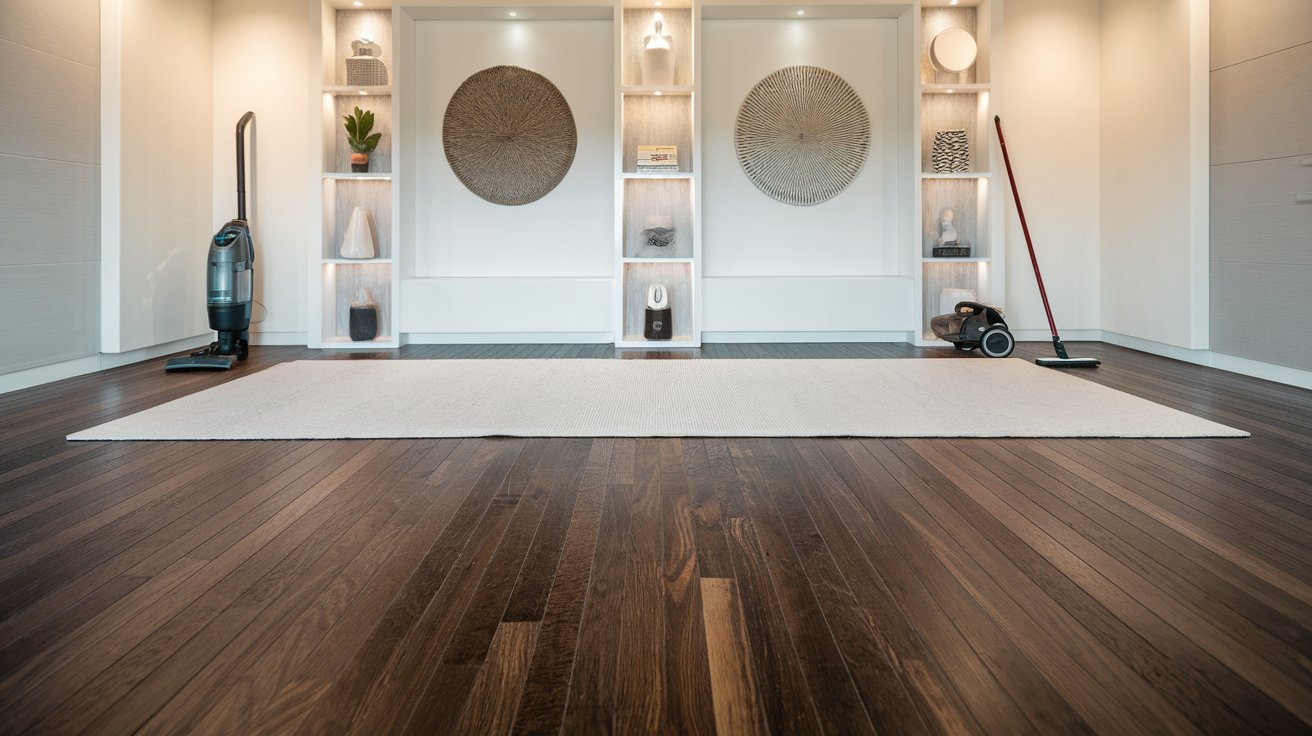
Use a soft-bristle broom or microfiber dust mop daily to capture dirt, sand, and grit that act like sandpaper under foot traffic. When vacuuming engineered hardwood, always disable the beater bar or rotating brush, as these aggressive mechanisms can scratch the finish and create visible wear patterns. Select vacuum models with dedicated hardwood floor settings or use canister vacuums with hardwood floor attachments featuring soft felt or rubber wheels that glide without marking. According to 2026 consumer reports, vacuums with HEPA filtration remove 99.97% of dust particles, preventing them from resettling on your engineered wood floors and reducing cleaning frequency.
Microfiber Mop Application Methods
Microfiber mops represent the best mop for engineered hardwood floors because their ultra-fine fibers trap dust and dirt without requiring excessive moisture. Use dry microfiber mops between wet cleanings to maintain shine and remove daily accumulation. The electrostatic properties of quality microfiber attract and hold particles rather than pushing them around, making cleaning more efficient. Replace or wash microfiber pads after each use to prevent dirt transfer and maintain optimal cleaning performance. Professional cleaners recommend having three to five washable microfiber pads in rotation to ensure you always have clean pads available without disposable waste.
Best Cleaning Products for Engineered Hardwood Floors
Selecting appropriate cleaning products protects your investment while achieving superior results. The wrong cleaners can leave residue, create haziness, or damage protective coatings permanently.
pH-Neutral Commercial Cleaners
Bona Engineered Hardwood Floor Cleaner remains the industry standard in 2026, specifically formulated for engineered wood with a pH-neutral formula that cleans without leaving residue or dulling finishes. Professional floor installers across the United States recommend Bona because it contains no harsh chemicals, dries quickly, and is Greenguard Gold Certified for indoor air quality. Alternative commercial options include Rejuvenate, Method Squirt + Mop, and Bruce Hardwood Floor Cleaner, all formulated to clean engineered surfaces safely. Always verify that products explicitly state compatibility with engineered hardwood floors, as some solid hardwood cleaners contain oils that build up on factory finishes.
DIY Natural Cleaning Solutions
For those preferring natural ways to clean engineered hardwood floors, a solution of one-quarter cup white vinegar mixed with one gallon of warm water provides effective cleaning power. However, controversy exists within the flooring community about vinegar use, as some manufacturers warn that acetic acid can gradually dull certain finishes over years of use. If using vinegar solutions, dilute properly and test in an inconspicuous area first, limiting use to once monthly rather than as a primary cleaner. A safer natural alternative combines two tablespoons of mild castile soap in one gallon of water, creating a gentle yet effective cleaning solution that removes dirt without acidic risks.
What to Avoid in Cleaning Products
Never use ammonia-based cleaners, oil soaps, wax-based products, or steam cleaners on engineered wood floors. Ammonia strips protective finishes and creates cloudiness that cannot be reversed without professional refinishing. Oil soaps like Murphy Oil Soap leave residue that attracts dirt and creates a sticky film requiring extensive removal efforts. Wax products interfere with factory finishes and make future refinishing impossible. Steam cleaners force moisture between engineered layers, causing swelling, cupping, and delamination that voids most manufacturer warranties. According to 2026 warranty claim data, 42% of denied claims result from steam cleaner damage.
Step-by-Step Deep Cleaning Process
Perform thorough deep cleaning monthly or when floors appear dull despite regular maintenance. This process removes embedded dirt and restores shine without aggressive methods.
Preparation and Debris Removal
Begin by removing all loose dirt with a dry microfiber mop or soft-bristle broom, paying special attention to corners, baseboards, and under furniture edges where debris accumulates. Vacuum using appropriate hardwood settings to capture fine dust particles that wet mopping might turn into muddy streaks. Move lightweight furniture and check for grit underneath, as this preparation step determines the effectiveness of wet cleaning. Professional cleaners spend approximately 40% of total cleaning time on this preparation phase because it prevents scratching during the wet mopping stage.
Damp Mopping Technique for Streak-Free Results
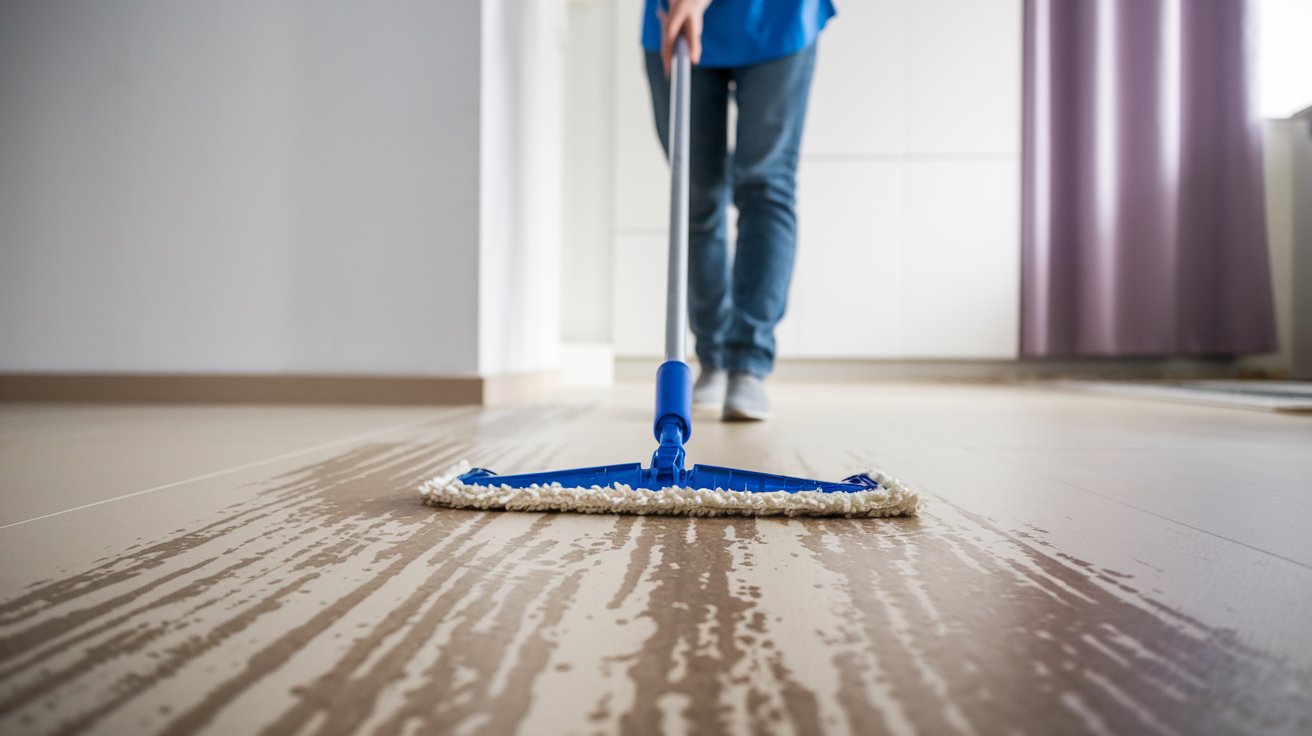
To clean engineered hardwood floors without streaks, use a barely damp mop rather than wet application. Spray your chosen cleaner directly onto the microfiber mop pad or lightly mist small floor sections, never pouring liquid directly onto floors. Work in manageable 4×4 foot sections, mopping with the grain of the wood using overlapping S-pattern strokes. The mop should feel barely damp to the touch, leaving no visible moisture behind. If you can see wetness after mopping, your mop is too saturated and risks moisture damage. Immediately dry any excess moisture with a clean, dry microfiber cloth. This technique ensures thorough cleaning while protecting the layered construction of engineered floors from water infiltration.
Addressing High-Traffic Areas and Stubborn Spots
Entryways, kitchens, and hallways require extra attention as high-traffic areas accumulate more dirt and show wear patterns faster. For stuck-on debris or sticky spots, apply cleaner directly to the spot and let it sit for 30 seconds before gently wiping with a damp microfiber cloth. Never scrub aggressively, as this damages the finish. For scuff marks, use a tennis ball or specialized hardwood floor scuff eraser rather than abrasive pads. Difficult stains may require targeted spot treatment with slightly more concentrated cleaner, but always rinse the area with a clean, damp cloth afterward to remove residue that attracts new dirt.
Cleaning Engineered Hardwood Floors with Deep Grooves
Hand-scraped, wire-brushed, and textured engineered hardwood floors feature intentional grooves and texture that enhance visual appeal but create cleaning challenges. Dirt, pet hair, and debris lodge in these recesses, requiring specialized approaches beyond standard flat-surface cleaning methods.
Use vacuum attachments with soft brush heads specifically designed for crevices, running along the grain direction to pull debris from grooves without damaging texture. For wet cleaning, select microfiber mops with deep-pile pads that reach into grooves effectively. Consider using a soft-bristled toothbrush or detailing brush for stubborn dirt in deep textures, applying minimal moisture with your chosen cleaner. According to 2026 flooring care studies, textured floors require approximately 30% more cleaning time but resist visible wear better than smooth finishes when properly maintained. Pay particular attention to drying textured floors completely, as moisture trapped in grooves leads to mildew growth or finish deterioration over time.
Common Questions About Dish Soap and Household Cleaners
Many homeowners wonder about using common household products on engineered wood floors, particularly regarding affordability and availability. Understanding which products work safely and which cause damage protects your flooring investment.
Regarding whether you can use Dawn dish soap on engineered hardwood floors, the answer is cautiously affirmative with proper dilution. Mix one teaspoon of Dawn or similar mild dish soap into one gallon of warm water, creating a gentle cleaning solution that removes grease and grime effectively. However, dish soaps contain surfactants designed to create suds, which can leave residue on floors if not rinsed properly. This residue attracts dirt and creates a dull film over time. If using dish soap solutions, always follow with a clear water rinse using a barely damp mop, then dry completely. Many flooring professionals recommend using dedicated hardwood floor cleaners instead, as these formulations clean without requiring rinsing and contain ingredients specifically chosen for wood floor finishes.
Swiffer Products and Engineered Hardwood Compatibility
The question of whether you can use Swiffer wet cloths on engineered hardwood floors generates debate among flooring experts. Standard Swiffer WetJet solutions contain propylene glycol and other chemicals that some manufacturers caution against, particularly on floors with oil-based finishes or certain European finishes. However, Swiffer offers a dedicated Hardwood Floor Cleaner formula specifically designed for sealed hardwood and engineered floors.
If using Swiffer products, select only the hardwood-specific formula and ensure your floors have factory-sealed finishes rather than wax or oil finishes. The convenience of Swiffer systems appeals to busy households, but professional floor installers note that dedicated microfiber mops with concentrated hardwood cleaners provide superior results and better value long-term. Swiffer cloths can leave slight residue that builds up over months, requiring periodic deep cleaning to remove. For occasional touch-ups between regular cleanings, Swiffer Sweeper dry cloths work excellently without introducing moisture or chemicals.
Protecting Engineered Hardwood During Daily Use
Prevention strategies significantly reduce cleaning requirements and extend engineered hardwood floor lifespan. Implementing protective measures costs less than repairs or premature replacement while maintaining aesthetic appeal.
Entry Mat Systems and Furniture Protection
Place entry mats both outside and inside every exterior door to capture 80% of tracked-in dirt, according to 2026 facility management research. Choose mats large enough that visitors take at least three steps on them, as the first step removes large debris, the second step captures medium particles, and the third step absorbs remaining fine dust. Attach felt pads to all furniture legs, replacing them every six months as adhesive weakens and felt compresses. Use furniture coasters under heavy pieces like pianos, refrigerators, and entertainment centers to distribute weight and prevent indentations. For office chairs, install hardwood-safe chair mats rather than using chairs directly on floors.
Humidity Control and Climate Management
Maintain indoor relative humidity between 35-55% year-round to prevent engineered hardwood expansion and contraction that causes gaps, cupping, or crowning. Use dehumidifiers in humid summer months and humidifiers during dry winter heating seasons. Install hygrometers in multiple rooms to monitor levels accurately, particularly in climates with extreme seasonal variations common across United States regions. Engineered hardwood tolerates humidity fluctuations better than solid wood but still requires environmental stability for optimal performance. Climate control also reduces cleaning frequency by minimizing dust generation and static electricity that attracts particles to floor surfaces.
Pet and Footwear Considerations
Implement a shoes-off policy to eliminate tracked-in abrasives, oils, and chemicals that damage finishes and create cleaning challenges. Provide convenient shoe storage near entries to encourage compliance. Trim pet nails regularly to prevent scratches, and place washable rugs under food and water bowls to catch spills immediately. For homes with large dogs, consider applying temporary nail covers during floor curing periods or high-activity times. Clean pet accidents immediately using enzyme-based cleaners specifically formulated for hardwood, as biological matter can stain and deteriorate finishes if left untreated. According to 2026 pet owner surveys, homes with proactive pet protection strategies report 60% less floor damage than those without preventive measures.
Seasonal Deep Maintenance and Professional Care
Beyond regular cleaning, seasonal maintenance preserves engineered hardwood appearance and structural integrity. Schedule professional deep cleaning annually or bi-annually depending on household traffic levels and lifestyle factors.
Professional services use commercial-grade equipment and cleaning solutions unavailable to consumers, including low-moisture buffing systems that remove embedded dirt without water damage risks. They also assess finish condition, identifying areas requiring touch-up or recoating before damage reaches the wood veneer. In 2026, professional hardwood floor cleaning services in the United States average $0.25-0.50 per square foot, representing cost-effective maintenance compared to premature floor replacement. Between professional visits, apply manufacturer-recommended floor refreshers or polish products sparingly, following label directions precisely. These products fill micro-scratches and restore sheen but can build up if overused, requiring professional removal.
Addressing Specific Spills and Stain Removal
Immediate response to spills prevents permanent staining and finish damage. Different substances require specific treatment approaches for safe, effective removal from engineered hardwood surfaces.
Liquid Spills and Water Damage Prevention
Blot liquid spills immediately with absorbent cloths, never allowing moisture to stand on engineered wood floors for more than a few minutes. For water spills, dry thoroughly and monitor the area for 24-48 hours for signs of swelling or discoloration. Wine, juice, and colored beverages require immediate blotting followed by cleaning with your regular hardwood floor cleaner. If staining occurs despite quick action, create a paste of baking soda and water, apply to the stain for 10 minutes, then wipe clean. Never use bleach or hydrogen peroxide on engineered hardwood, as these oxidizers damage finish and wood fibers.
Oil, Grease, and Adhesive Removal
For oil and grease spills, sprinkle cornstarch or baking soda on the affected area to absorb the substance, let sit for 15 minutes, then sweep up and clean with a hardwood floor cleaner. Stubborn grease may require mineral spirits applied sparingly to a cloth, never directly to the floor, followed by immediate cleaning and drying. Remove adhesive residue from tape or stickers using a plastic scraper held at a low angle, then clean residue with a small amount of rubbing alcohol on a cloth. Test any solvent in an inconspicuous area first to ensure finish compatibility. Professional floor care specialists emphasize that patience and gentle methods preserve finishes better than aggressive scrubbing with unknown chemicals.
Long-Term Care and Refinishing Considerations
Engineered hardwood floors offer refinishing potential depending on veneer thickness, extending their lifespan significantly when properly maintained. Understanding refinishing limitations helps you maximize floor longevity through appropriate care strategies.
Engineered floors with wear layers 3mm or thicker can typically be refinished once or twice, while thinner veneers under 2mm cannot withstand sanding. Consult your floor’s specifications or contact the manufacturer to determine refinishing capability before attempting restoration. Between refinishing needs, maintain protective finishes through proper cleaning and occasional application of manufacturer-recommended maintenance coats. These refresher treatments restore shine and fill minor scratches without full refinishing requirements. According to 2026 flooring industry data, properly maintained engineered hardwood floors in United States homes last 25-40 years before requiring replacement, compared to 15-20 years for neglected floors. Regular cleaning with appropriate products and techniques represents the single most important factor in achieving maximum floor lifespan and preserving your home’s value.
Related video about how to clean engineered hardwood
This video complements the article information with a practical visual demonstration.
Most asked questions about how to clean engineered hardwood
What is the best thing to clean engineered wood floors with?
The best cleaner for engineered wood floors is a pH-neutral hardwood floor cleaner specifically formulated for engineered surfaces, with Bona Hardwood Floor Cleaner being the industry standard in 2026. Use it with a barely damp microfiber mop, spraying the cleaner onto the mop pad rather than directly onto floors. This combination effectively removes dirt and grime without leaving residue, damaging finishes, or introducing excessive moisture that could harm the layered construction. Avoid oil soaps, ammonia-based cleaners, and steam cleaners, as these products cause finish damage, residue buildup, or delamination that voids warranties.
Can I use Bona on engineered hardwood floors?
Yes, Bona is specifically designed for engineered hardwood floors and represents the preferred choice of professional installers and flooring manufacturers across the United States. Bona Hardwood Floor Cleaner features a pH-neutral, water-based formula that cleans effectively without residue, streaking, or finish damage. It is Greenguard Gold Certified for indoor air quality and safe for homes with children and pets. Apply Bona using a spray bottle and microfiber mop, working in small sections with minimal moisture. The product dries quickly without rinsing, making it efficient for regular maintenance cleaning on all types of factory-finished engineered hardwood floors.
Can you use Dawn dish soap on engineered hardwood floors?
You can use Dawn dish soap on engineered hardwood floors with proper dilution one teaspoon per gallon of warm water but professional cleaners recommend dedicated hardwood floor cleaners instead. Dish soap contains surfactants that can leave residue on floors if not thoroughly rinsed, and this residue attracts dirt, creating a dull film over time. If using dish soap solutions, always follow with a clear water rinse using a barely damp mop, then dry the floor completely. The convenience of no-rinse hardwood floor cleaners like Bona or Rejuvenate provides superior results with less effort and no residue concerns for long-term floor appearance and protection.
How do you clean engineered hardwood floors without leaving streaks?
To clean engineered hardwood floors without streaks, use a barely damp microfiber mop with a dedicated hardwood floor cleaner, applying product to the mop pad rather than the floor surface. Work in small 4×4 foot sections, mopping with the wood grain using overlapping S-pattern strokes. The key is moisture control, your mop should be damp enough to clean but not wet enough to leave visible moisture behind. Excess water causes streaking as minerals and cleaning residue dry unevenly. Use high-quality microfiber pads changed frequently, as dirty pads spread grime rather than remove it. Allow floors to air dry completely without foot traffic, and avoid over-application of cleaning products, which creates the residue that appears as streaks.
Can you use Swiffer WetJet on engineered hardwood floors?
You can use Swiffer WetJet on engineered hardwood floors only with the Swiffer Hardwood Floor Cleaner formula specifically designed for sealed wood floors, not the standard multi-surface solution. The hardwood-specific formula is safe for factory-finished engineered floors and provides convenient touch-up cleaning between deep cleanings. However, professional floor specialists note that Swiffer products can leave slight residue buildup over time, requiring periodic deep cleaning with dedicated hardwood cleaners and microfiber mops. For best long-term results and finish protection, use Swiffer for quick cleanups but rely on professional hardwood floor cleaning systems for regular maintenance to prevent residue accumulation and maintain optimal floor appearance.
How often should you deep clean engineered hardwood floors?
Deep clean engineered hardwood floors monthly in high-traffic homes or every 6-8 weeks in low-traffic environments, with daily dry mopping and weekly damp mopping for routine maintenance. High-traffic areas like entryways, kitchens, and hallways may require more frequent attention, while bedrooms and formal living spaces need less intensive care. Professional deep cleaning services should be scheduled annually or bi-annually to remove embedded dirt, assess finish condition, and apply protective treatments that extend floor life. The frequency depends on household factors including number of occupants, pets, whether shoes are worn indoors, and local climate conditions. Consistent maintenance prevents dirt accumulation that causes permanent scratching and finish deterioration requiring costly repairs.
| Cleaning Method | Recommended Frequency | Key Benefits |
|---|---|---|
| Dry Microfiber Mopping | Daily in high-traffic areas | Removes abrasive particles preventing scratches, no moisture risk, maintains shine |
| Vacuuming with Soft Attachment | 2-3 times weekly | Captures fine dust and pet hair, reaches edges and corners, prevents buildup |
| Damp Mopping with pH-Neutral Cleaner | Weekly or bi-weekly | Removes stuck-on dirt and residue, restores sheen, safe for all finishes |
| Deep Cleaning Treatment | Monthly to quarterly | Eliminates embedded grime, addresses high-traffic wear, extends floor lifespan |
| Professional Maintenance Service | Annually or bi-annually | Commercial-grade equipment, finish assessment, protective treatments, warranty compliance |
| Protective Measures (Mats, Furniture Pads) | Continuous prevention | Reduces cleaning needs by 60-80%, prevents damage, maintains appearance, cost-effective protection |