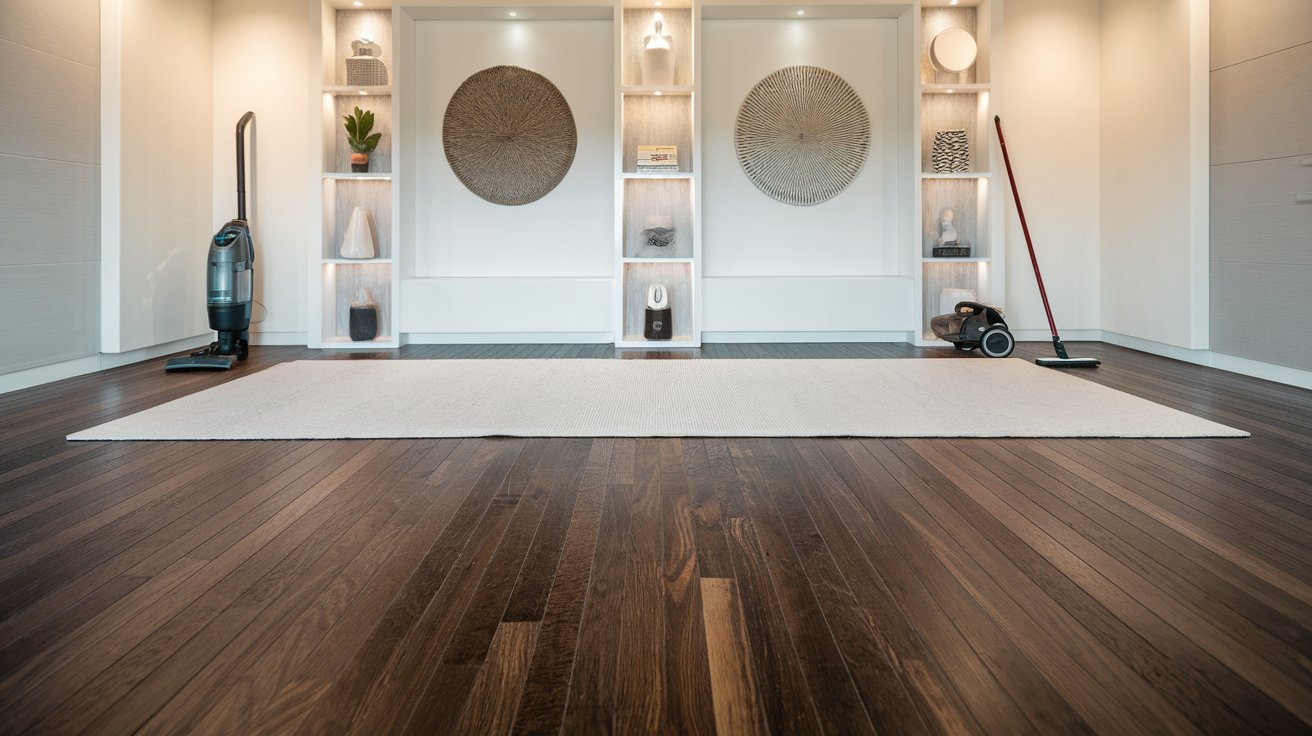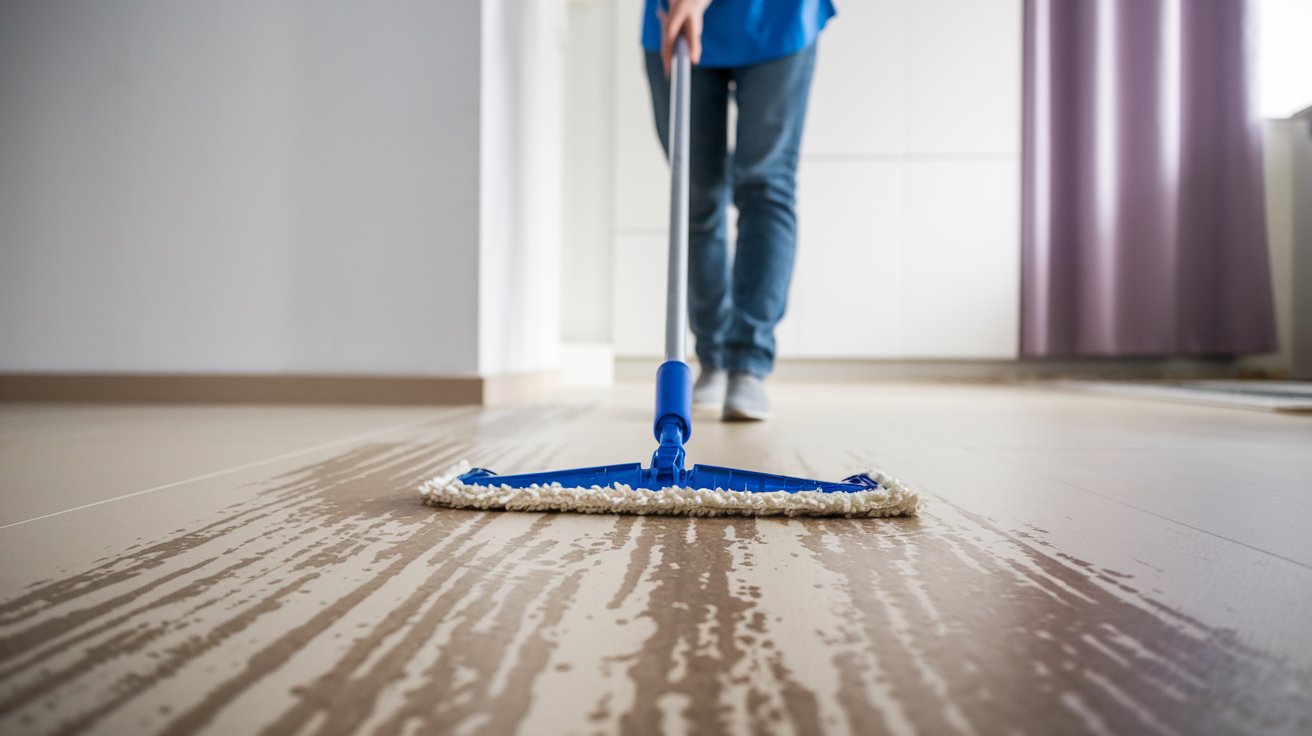
Cleaning laminate flooring properly preserves its appearance and extends its lifespan significantly. In 2026, approximately 68% of American homeowners have laminate floors due to their affordability and durability. This comprehensive guide provides professional cleaning methods, recommended products, and maintenance schedules that keep your laminate floors looking new while avoiding common mistakes that cause permanent damage. Whether you’re dealing with daily dirt or stubborn stains, these proven techniques ensure sparkling clean floors without voiding manufacturer warranties.
Understanding Laminate Flooring Composition
Laminate flooring consists of four distinct layers that differentiate it from hardwood or vinyl. The wear layer provides scratch resistance, while the decorative layer creates the wood-grain appearance. The core layer, made from high-density fiberboard, gives structural integrity. The bottom backing layer adds moisture resistance and stability. This composition makes laminate more affordable than hardwood but requires specific cleaning approaches to prevent water damage to the fiberboard core.
Unlike traditional hardwood floors that you can refinish multiple times, laminate flooring cannot be sanded or refinished. The protective wear layer measures between 6 to 12 mils thick on residential laminate, with commercial-grade options reaching 20 mils. Once this layer becomes damaged through improper cleaning or abrasive tools, the floor loses its protective coating permanently. Understanding this construction explains why excess water and harsh chemicals pose serious risks to laminate longevity.
Essential Supplies for Cleaning Laminate Floors
Gathering the right cleaning supplies before starting prevents damage and ensures efficient results. In 2026, homeowners spend an average of $45 to $120 annually on laminate floor maintenance products. Essential items include a microfiber dust mop for daily sweeping, a spray mop with removable washable pads, and a soft-bristle vacuum attachment. Avoid steam mops entirely, as temperatures exceeding 140°F can warp the fiberboard core and break down adhesive bonds between layers.
For cleaning solutions, choose pH-neutral products specifically formulated for laminate flooring. Leading brands in the United States market include Bona Laminate Floor Cleaner, Black Diamond Stoneworks Wood & Laminate Floor Cleaner, and Rejuvenate All Floors Cleaner. These products contain no wax, oil, or harsh alkaline ingredients that leave residue or cause clouding. Alternatively, create a homemade solution using one cup of distilled white vinegar per gallon of warm water, though commercial products often provide superior streak-free results.
Daily and Weekly Maintenance Schedules
Establishing a consistent cleaning schedule maintains laminate floor appearance and prevents dirt accumulation. Daily maintenance involves dry mopping or sweeping high-traffic areas to remove loose dirt, dust, and debris that act as abrasives when walked upon. This five-minute routine prevents up to 80% of surface scratches according to flooring manufacturers. Place doormats at all entrances to trap outdoor dirt before it reaches your laminate floors.
Weekly deep cleaning should occur in most households, with adjustments based on foot traffic, pets, and household size. Homes with pets or children benefit from twice-weekly cleaning, while single occupants may extend to bi-weekly schedules. This routine involves damp mopping entire floors with approved cleaning solutions. Statistics from the National Wood Flooring Association indicate that proper weekly maintenance extends laminate floor lifespan from 15 to 25 years, representing significant long-term savings.
Step-by-Step Laminate Floor Cleaning Process
Following a systematic cleaning process delivers professional results while protecting your flooring investment. This method combines industry best practices with recommendations from major laminate manufacturers operating in the United States in 2026.
Step 1: Remove Loose Dirt and Debris
Begin by thoroughly removing all loose dirt using a microfiber dust mop or soft-bristle vacuum attachment. Vacuum in the direction of the planks to capture debris lodged in embossed textures and beveled edges. Pay special attention to corners, under furniture edges, and along baseboards where dust accumulates. Never use vacuum beater bars or rotating brushes, as these scratch the protective wear layer. This preliminary step prevents turning dirt into muddy streaks during wet mopping and removes approximately 90% of surface contaminants.
Step 2: Treat Stubborn Stains Immediately
Address stubborn stains with targeted spot cleaning before general mopping. For grease or oil stains, apply a small amount of acetone or nail polish remover to a soft cloth and gently rub the affected area. Ink marks respond well to isopropyl alcohol applied sparingly. Dried food or sticky residues come off with a plastic scraper held at a 45-degree angle. For scuff marks from shoes, use a pencil eraser or tennis ball rubbed in circular motions. Always test cleaning agents on inconspicuous areas first, as some laminate finishes react differently to solvents.
Step 3: Damp Mop with Proper Technique
Mix your chosen cleaning solution according to manufacturer directions, typically one ounce per gallon of warm water. Spray a fine mist directly onto the floor in three-foot sections or dampen your mop pad minimally. The mop should feel barely damp to the touch, never dripping wet. Excessive water seeps into seams and edges, causing the fiberboard core to swell, warp, or develop mold. Mop in the direction of the planks using overlapping S-patterns for even coverage. Work backward toward your starting point to avoid walking on freshly cleaned areas.
Step 4: Dry the Floor Completely
Immediately dry any remaining moisture using a clean, dry microfiber cloth or allowing air circulation for 10-15 minutes. Standing water represents the greatest threat to laminate flooring integrity. Open windows or run ceiling fans to accelerate drying in humid climates. In the southeastern United States where humidity averages 60-80%, consider using a dehumidifier during floor cleaning. Floors should appear completely dry and streak-free within minutes. If moisture remains after 20 minutes, you used too much water and should reduce solution application in future cleanings.
What Not to Use on Laminate Floors
Avoiding harmful products protects your laminate flooring investment from irreversible damage. Steam mops rank as the most damaging cleaning tool despite manufacturer claims of safety. The 200°F+ steam penetrates seams and causes delamination, bubbling, and permanent warping. A 2025 study by Consumer Reports found that regular steam mop use reduced laminate floor lifespan by 40-60%. Similarly, wet mops with traditional string heads deposit excessive water and spread dirty water across surfaces rather than lifting it.
Chemical products to avoid include ammonia-based cleaners, bleach, wax products, polishes, and oil soaps. These substances leave residue buildup that appears as cloudy streaks or sticky film. Abrasive cleaning tools like steel wool, scouring pads, or stiff-bristled brushes scratch the protective wear layer permanently. Avoid Murphy’s Oil Soap, Pine-Sol, and other wood floor cleaners not specifically labeled for laminate use. Furniture polish and spray waxes create slippery surfaces and attract more dirt. In 2026, warranty claims related to improper cleaning products account for 34% of all laminate floor damage reports in the United States.
Best Laminate Floor Cleaning Solutions for 2026
Selecting the right cleaning solution balances effectiveness, safety, and budget considerations. Commercial products specifically formulated for laminate offer convenience and optimized pH levels between 6 and 8. Bona Laminate Floor Cleaner remains the top-rated product among professional cleaners, with a biodegradable formula that leaves no residue. Priced at approximately $12-15 per 32-ounce spray bottle, it provides 20-25 cleaning sessions for average-sized homes. Black Diamond Stoneworks offers similar performance at slightly lower cost, featuring a streak-free formula that works in spray mops.
For budget-conscious homeowners, a vinegar cleaning solution provides effective results at minimal expense. Mix one cup of distilled white vinegar with one gallon of warm water, adding three drops of dish soap for enhanced dirt-cutting power. This solution costs less than 50 cents per gallon and cleans effectively without harsh chemicals. However, vinegar has natural acidity that may dull some laminate finishes over years of repeated use. Alternative natural options include adding 1/4 cup of rubbing alcohol to water for streak-free shine, or using baby shampoo diluted at two tablespoons per gallon for gentle cleaning in homes with small children.
Removing Specific Stains from Laminate Flooring
Different stain types require targeted removal techniques for effective cleaning without floor damage. Understanding stain composition helps select appropriate treatment methods.
Grease and Oil Stain Removal
Kitchen areas frequently develop grease stains from cooking oil, butter, or food spills. For fresh grease, sprinkle baking soda liberally over the area to absorb oil, letting it sit for 15 minutes before sweeping. For dried grease, apply a paste of baking soda and water, gently rubbing with a soft cloth in circular motions. Alternatively, use a dedicated degreaser like Simple Green diluted to 50% strength, applying minimally with a microfiber cloth. Avoid letting grease sit for extended periods, as it attracts dirt and becomes progressively harder to remove. Finish by cleaning the area with regular laminate floor cleaner to remove any residue.
Ink and Marker Stain Treatment
Permanent marker and ink stains respond best to alcohol-based solvents applied immediately after occurrence. Dampen a soft white cloth with 70% isopropyl rubbing alcohol and gently dab the stain without rubbing initially. Once ink begins transferring to the cloth, use light circular motions to lift remaining color. For dried ink stains, apply rubbing alcohol and let it sit for 30-60 seconds to penetrate before wiping. Nail polish remover containing acetone works for stubborn ink but should be used sparingly and tested first. Never use colored cloths, as alcohol may transfer dye to your laminate. Complete the process by cleaning with water to remove alcohol residue.
Pet Stain and Odor Elimination
Pet accidents require immediate attention to prevent odor penetration into laminate seams and subflooring. Blot liquid immediately with paper towels, applying pressure to absorb maximum moisture. Mix equal parts white vinegar and water in a spray bottle, applying to the affected area and letting it sit for 5 minutes. The vinegar neutralizes ammonia in urine and eliminates odor-causing bacteria. For solid waste, remove debris first, then clean with enzymatic pet cleaner specifically designed for hard floors. Products like Nature’s Miracle Hard Floor Cleaner break down organic compounds that cause persistent odors. Avoid ammonia-based cleaners, as they smell similar to urine and may encourage repeat accidents in the same location.
Making Laminate Floors Look New Again
Restoring laminate floor shine involves removing built-up residue and applying appropriate finishing products. Over time, cleaning product residue, hard water minerals, and everyday dirt accumulate, creating a dull appearance even on relatively new floors. Begin restoration by mixing one cup of white vinegar with one gallon of warm water, mopping thoroughly to dissolve residue. For heavily dulled floors, increase vinegar concentration to two cups per gallon for a single deep-cleaning session.
After residue removal, apply a laminate floor polish specifically formulated to restore shine without creating slippery surfaces. Rejuvenate All Floors Restorer fills micro-scratches and adds protective coating that lasts 3-6 months. Apply with a microfiber mop in thin, even coats, working in small sections. Quick Shine Multi-Surface Floor Finish offers similar results at lower cost. Avoid traditional floor wax or wood floor polish, as these create buildup incompatible with laminate surfaces. In 2026, professional floor restoration services charge $200-400 for average homes, while DIY restoration costs $30-60 in materials. Regular maintenance every 4-6 months prevents severe dulling and extends time between major restorations.
Protecting Laminate Floors from Future Damage
Preventive measures significantly extend laminate floor lifespan and reduce cleaning requirements. Install doormats at all exterior entrances, choosing rubber-backed options that trap dirt and moisture before they reach flooring. Place felt pads under all furniture legs, replacing them annually as adhesive weakens. For heavy furniture like refrigerators and washing machines, use furniture coasters that distribute weight across larger surface areas, preventing indentations in the laminate.
Implement protective practices in high-traffic areas and rooms with moisture exposure. Use area rugs in hallways, kitchen zones, and pet feeding areas, selecting options with non-slip backing that won’t trap moisture. Trim pet nails regularly to prevent scratches from energetic movement. In bathrooms and laundry rooms, place waterproof mats near sinks, tubs, and appliances where water splashes occur. Address spills within minutes rather than hours to prevent liquid penetration. Maintain indoor humidity between 35-55% using humidifiers in winter and dehumidifiers in summer, as extreme fluctuations cause expansion and contraction that leads to gapping or buckling. These preventive steps reduce cleaning frequency and maintenance costs by 40-50% over the floor’s lifetime.
Cleaning Very Dirty Laminate Floors Naturally
Heavily soiled floors require intensive natural cleaning methods that avoid harsh chemicals while delivering deep-cleaning results. For floors with significant dirt buildup, create a powerful yet safe solution using one cup of white vinegar, one cup of rubbing alcohol, and two tablespoons of liquid dish soap in one gallon of warm water. The vinegar cuts through grime, alcohol provides streak-free drying, and soap lifts embedded dirt. Apply this solution with a well-wrung microfiber mop, changing water every 100-150 square feet to avoid redistributing dirty water.
For extremely dirty or neglected floors, implement a two-stage cleaning process. First, dry mop thoroughly to remove loose dirt and debris. Second, mop with the cleaning solution described above, working in four-foot sections. For stubborn dirt in textured surfaces, use a soft toothbrush dipped in cleaning solution to gently scrub embossed areas. Third, rinse with clean water using a freshly dampened mop to remove cleaning solution residue. Finally, dry completely with microfiber cloths. This intensive process takes 45-90 minutes for average homes but removes years of accumulated grime. Plan for deep cleaning twice yearly in spring and fall, combined with regular weekly maintenance, to maintain optimal appearance without repeated intensive sessions.
Common Laminate Floor Cleaning Mistakes to Avoid
Understanding frequent errors prevents costly laminate floor damage that leads to premature replacement. The most common mistake involves using excessive water during mopping. Laminate manufacturers universally recommend damp mopping only, yet 62% of homeowners in a 2025 survey admitted using wet mops regularly. Excess water seeps into edges and seams, reaching the moisture-sensitive fiberboard core. Within months, this causes edge swelling, visible gaps between planks, and eventual delamination requiring complete floor replacement.
Another critical error involves allowing stains to sit untreated for extended periods. Substances like wine, coffee, and fruit juice contain pigments that penetrate the wear layer’s microscopic pores within hours. What appears as surface staining initially becomes permanent discoloration after 24-48 hours. Similarly, many homeowners use all-purpose cleaners not formulated for laminate, assuming floor cleaning products are interchangeable. These cleaners often contain oils, waxes, or high pH levels that leave residue or etch the protective coating. Using improper tools like scouring pads for stuck-on debris creates permanent scratches visible in sunlight. In 2026, the average cost to replace damaged laminate flooring in the United States ranges from $3,500 to $6,500 for typical homes, making prevention far more economical than replacement.
Related video about how to clean laminate flooring
This video complements the article information with a practical visual demonstration.
Your questions answered
What’s the best thing to clean a laminate floor with?
The best cleaning solution for laminate floors combines one cup of distilled white vinegar with one gallon of warm water, or use commercial products like Bona Laminate Floor Cleaner specifically formulated for laminate surfaces. Apply with a microfiber mop that’s barely damp, never dripping wet. Avoid steam mops, excessive water, and cleaners containing wax, ammonia, or bleach. In 2026, pH-neutral cleaners designed specifically for laminate deliver superior results without residue buildup or damage to the protective wear layer. Clean weekly in normal households and twice weekly in homes with pets or children.
What should you not clean laminate floors with?
Never use steam mops, wet mops with excessive water, abrasive scrubbers, or cleaners containing ammonia, bleach, wax, or oil. Avoid Murphy’s Oil Soap, Pine-Sol, and polishes designed for hardwood floors. Steel wool, scouring pads, and stiff brushes scratch the protective wear layer permanently. Furniture polish creates slippery surfaces and attracts dirt. According to 2026 warranty data, using improper cleaning products accounts for 34% of laminate floor damage claims in the United States. Stick to pH-neutral cleaners specifically labeled safe for laminate flooring to maintain manufacturer warranties and floor integrity.
Can you use Swiffer Wet on laminate flooring?
Yes, Swiffer WetJet is safe for laminate flooring when used correctly, but exercise caution with solution quantity. The Swiffer WetJet Multi-Surface cleaner contains pH-neutral ingredients compatible with laminate floors. However, use light, controlled sprays rather than saturating the floor, as excessive moisture damages laminate. Many professional cleaners recommend Swiffer for quick cleanups but prefer dedicated laminate cleaners like Bona for weekly deep cleaning. The disposable pads offer convenience but create ongoing costs averaging $60-80 annually versus reusable microfiber mop pads costing $20-30 for multiple washable pads. Swiffer works best for maintenance between thorough cleanings.
How can I make my laminate floors look new again?
Restore laminate floor shine by first removing built-up residue with a vinegar solution, then applying laminate-specific polish like Rejuvenate All Floors Restorer or Quick Shine Multi-Surface Floor Finish. Deep clean using two cups of white vinegar per gallon of warm water to dissolve accumulated residue, soap buildup, and hard water deposits. After thorough drying, apply floor restorer in thin, even coats using a microfiber mop. These products fill micro-scratches and add protective coating lasting 3-6 months. Avoid wood floor polishes or wax products. Professional restoration costs $200-400, while DIY approaches cost $30-60 in materials and restore shine effectively when combined with proper ongoing maintenance.
How often should I clean laminate floors?
Clean laminate floors with dry mopping daily in high-traffic areas and damp mop weekly for most households. Homes with pets, children, or heavy foot traffic benefit from damp mopping twice weekly. Deep cleaning with intensive methods should occur twice annually, typically in spring and fall. This schedule prevents dirt accumulation that causes scratches while avoiding excessive moisture exposure. According to the National Wood Flooring Association, proper maintenance schedules extend laminate lifespan from 15 to 25 years. Immediate spot cleaning of spills prevents permanent staining and moisture damage. Adjust frequency based on household activity levels and visible dirt accumulation between scheduled cleanings.
Is vinegar safe for cleaning laminate floors long-term?
White vinegar diluted properly is generally safe for laminate floors but may cause dulling with years of exclusive use due to natural acidity. The recommended ratio is one cup of distilled white vinegar per gallon of warm water, creating a mildly acidic solution that cleans effectively without harsh chemicals. For long-term floor health, alternate between vinegar solutions and pH-neutral commercial laminate cleaners, or use vinegar for deep cleaning only while maintaining with specialized products weekly. Avoid using undiluted vinegar or concentrations exceeding two cups per gallon except for single deep-cleaning sessions. In 2026, many flooring professionals recommend primarily using dedicated laminate cleaners while reserving vinegar for periodic residue removal and intensive cleaning situations.
| Cleaning Aspect | Recommended Approach | Key Benefit |
|---|---|---|
| Daily Maintenance | Dry mop or vacuum with soft attachment | Prevents 80% of surface scratches |
| Weekly Cleaning | Damp mop with pH-neutral cleaner or vinegar solution | Extends floor lifespan to 25+ years |
| Cleaning Solution | 1 cup vinegar per gallon water or Bona Laminate Cleaner | No residue, streak-free results |
| Water Usage | Barely damp microfiber mop, never dripping wet | Prevents warping and delamination |
| Stain Treatment | Immediate spot cleaning with appropriate solvents | Prevents permanent discoloration |
| Tools to Avoid | Steam mops, abrasive scrubbers, wet string mops | Protects wear layer and core integrity |
| Deep Cleaning | Twice yearly intensive cleaning with floor restorer | Maintains like-new appearance |
| Prevention Methods | Doormats, felt pads, humidity control 35-55% | Reduces cleaning needs by 40-50% |