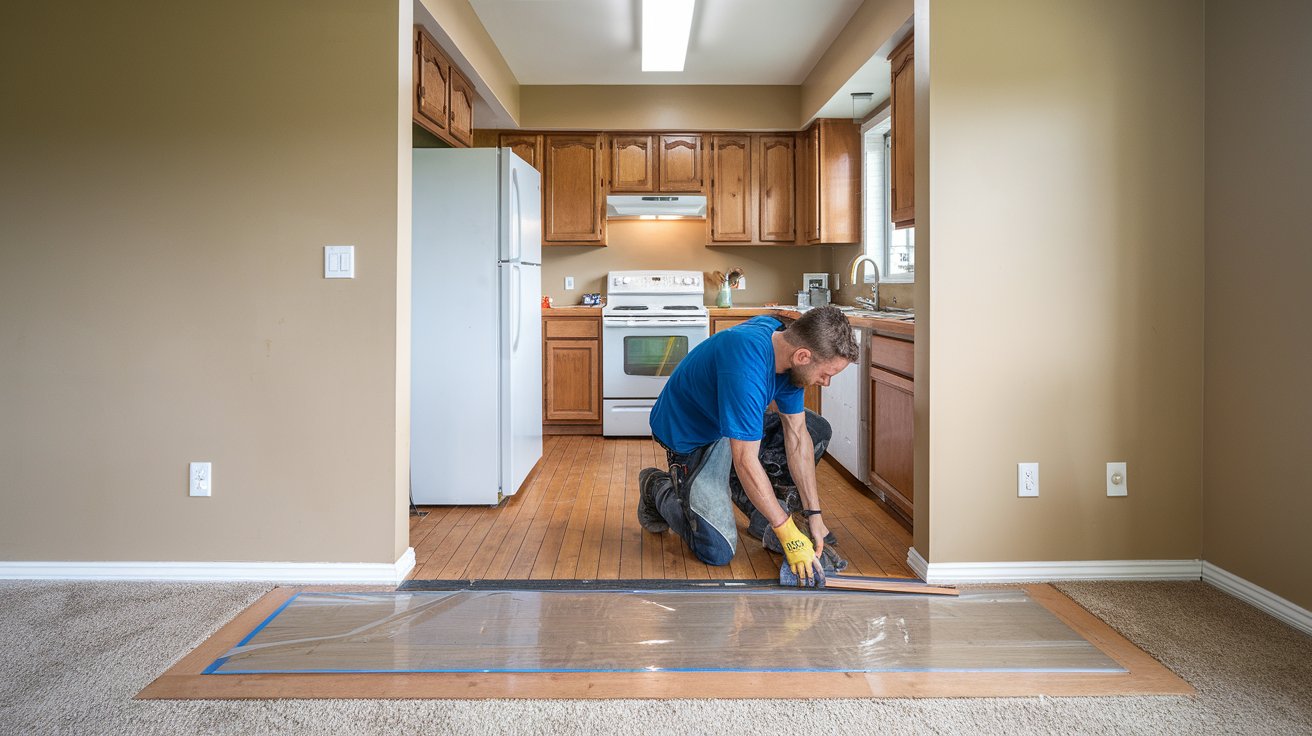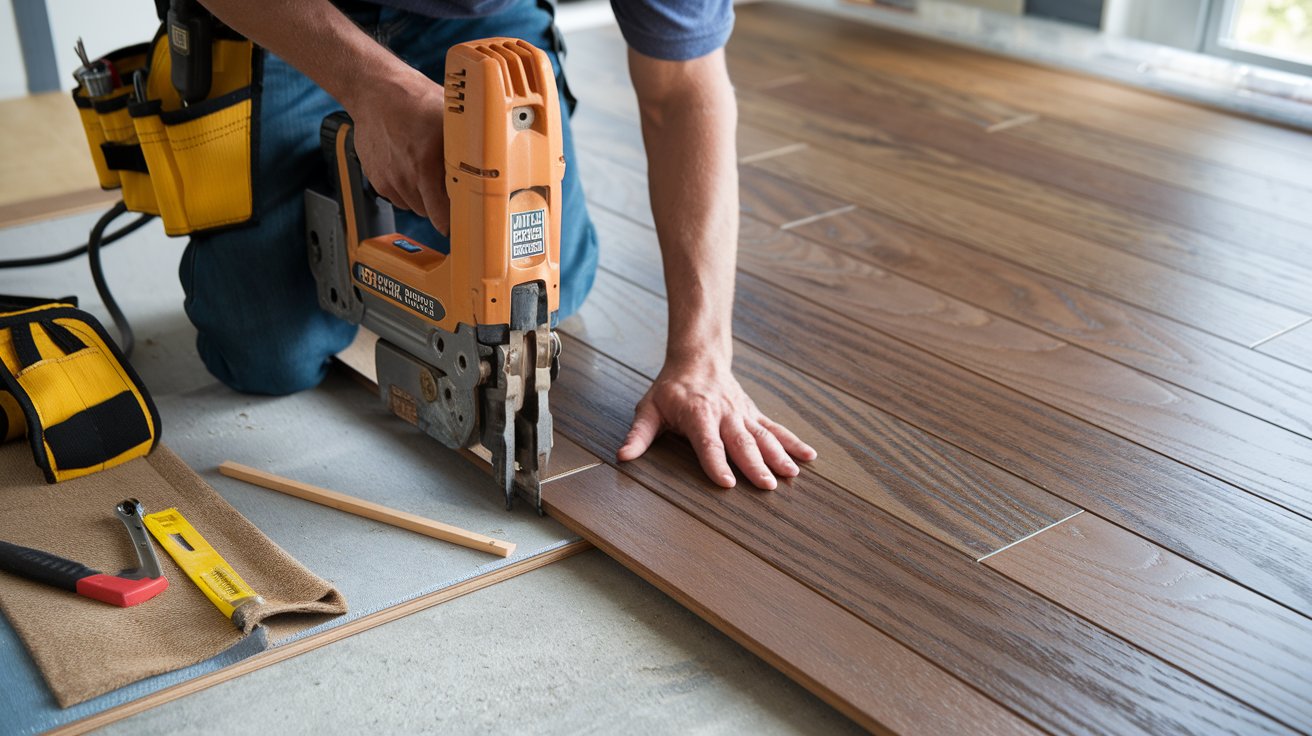
Installing hardwood floors in your home is a significant investment that typically costs between $6 and $22 per square foot in the United States as of 2026, including both materials and labor. The total cost for a standard 1000 square foot installation ranges from $6,000 to $22,000, depending on wood species, installation method, and regional labor rates. Understanding these cost factors helps homeowners budget effectively and make informed decisions about their flooring projects.
Average Hardwood Floor Installation Cost in 2026
The national average cost for hardwood floor installation in the United States has increased approximately 8-12% since 2024 due to supply chain improvements and inflation adjustments. Homeowners can expect to pay between $6 and $12 per square foot for mid-range hardwood materials like oak or maple, with labor adding another $3 to $10 per square foot depending on complexity and location. Premium exotic species such as Brazilian cherry or teak can push total costs to $18-22 per square foot installed.
Regional variations significantly impact hardwood floor installation pricing across the United States. Metropolitan areas like New York City, San Francisco, and Seattle typically see labor rates 30-50% higher than rural communities or smaller cities. The current contractor shortage in many markets has also driven up installation costs, making it essential to obtain multiple quotes from licensed professionals before committing to a project.
Cost to Install Hardwood Floors by Square Footage
Understanding square footage pricing helps homeowners accurately estimate their project costs and plan budgets accordingly. The following breakdowns reflect 2026 market rates for standard solid oak hardwood with professional installation in mid-tier US markets.
How Much Does It Cost to Install 200-400 Square Feet
For smaller rooms or spaces, installing hardwood floors for 200 square feet typically costs between $1,200 and $4,400 total. A 300 square foot installation ranges from $1,800 to $6,600, while a 400 square foot project averages $2,400 to $8,800. Smaller installations often have higher per-square-foot costs due to minimum service charges, setup fees, and the proportionally higher impact of fixed costs like delivery and equipment rental.
Contractors often apply minimum project fees of $800 to $1,500 for jobs under 500 square feet, which can significantly increase the effective per-square-foot rate. Homeowners installing hardwood in a single bedroom or small office should factor these minimum charges into their budgeting process to avoid unexpected expenses.
How Much Does It Cost to Install 1000-1200 Square Feet
Installing 1000 square feet of hardwood floors is one of the most common project sizes, typically covering multiple rooms or an entire floor of a standard home. Total costs range from $6,000 to $22,000 depending on material choices and installation complexity. Mid-range solid oak or maple with standard nail-down installation averages $8,000-12,000 for 1000 square feet in most US markets.
For those wondering about hardwood floors for 1200 square feet, expect to pay between $7,200 and $26,400 total. At this size, homeowners achieve better per-square-foot pricing and can often negotiate volume discounts with contractors. A typical 1200 square foot project using quality domestic hardwood with professional installation averages $10,000-15,000 in 2026.
Hardwood Floor Installation Cost for a 12×12 Room
A standard 12×12 room covers 144 square feet and represents a typical bedroom or small living space installation. The cost to install hardwood floors in a room this size ranges from $864 to $3,168 including materials and labor. Using mid-grade red oak or maple hardwood with professional nail-down installation, homeowners typically spend $1,300-2,000 for a 12×12 room in 2026.
Additional factors affecting the cost for a 12×12 room installation include existing flooring removal ($150-300), subfloor repairs ($200-600 if needed), and trim/baseboard replacement ($150-400). Closet spaces within the room add approximately 10-15% to the total square footage and cost. Homeowners should budget an extra $300-800 for preparation and finishing touches beyond the base flooring cost.
Hardwood Floor Material Costs in 2026
Material selection represents 40-60% of total hardwood floor installation costs and significantly impacts both upfront investment and long-term value. Domestic hardwoods like oak, maple, and hickory range from $3-8 per square foot for materials alone, while exotic imported species cost $8-15 per square foot or more.
Engineered hardwood has gained popularity in 2026, offering cost-effective alternatives at $3-12 per square foot depending on veneer thickness and core quality. While solid hardwood can be refinished multiple times over decades, engineered products typically allow 1-3 refinishing cycles depending on wear layer thickness. Premium wide-plank hardwoods and reclaimed wood options command top prices of $12-20 per square foot for materials before installation.
Labor Costs for Hardwood Floor Installation
Professional installation labor costs vary significantly by region, installer experience, and project complexity. In 2026, most US contractors charge between $3 and $10 per square foot for labor alone, with the national average around $5-7 per square foot for standard installations. High-demand markets and areas with contractor shortages see rates at the upper end of this range.
Complex installation patterns like herringbone, chevron, or diagonal layouts increase labor costs by 30-75% compared to standard straight installations. Experienced installers with specialized skills command premium rates of $8-12 per square foot, but their expertise often results in superior outcomes and fewer callbacks. Additional labor charges apply for subfloor preparation, removal of existing flooring, and custom border or inlay work.
Factors Affecting Hardwood Installation Costs
Multiple variables influence the final cost of your hardwood floor project beyond simple square footage calculations. Understanding these factors helps homeowners anticipate expenses and avoid budget surprises during installation.
Wood Species and Grade Selection
The species and grade of hardwood dramatically affect material costs and durability. Common domestic species like red oak (#2 common grade) start at $3-4 per square foot, while clear-grade white oak costs $6-8 per square foot. Exotic hardwoods like Brazilian walnut or Australian cypress range from $10-15 per square foot for materials alone. Higher grades feature fewer knots and more consistent coloring but come at premium prices.
Installation Method and Complexity
Different installation methods impact both labor time and costs significantly. Traditional nail-down installation over plywood subfloors is most common at standard labor rates. Glue-down installation, often required for concrete slabs or engineered floors, adds $1-2 per square foot in labor. Floating floor installations are fastest but limited to engineered products, potentially reducing labor costs by 20-30% compared to nail-down methods.
Subfloor Condition and Preparation
Subfloor preparation represents a critical but often overlooked cost factor in hardwood installation. Level, dry, structurally sound subfloors require minimal preparation, but damaged or uneven subfloors need extensive repair work. Leveling compound application costs $2-5 per square foot, while subfloor replacement runs $4-8 per square foot including materials and labor. Moisture issues requiring vapor barrier installation add another $1-3 per square foot to project costs.
Regional Cost Variations Across the United States
Geographic location significantly impacts hardwood floor installation costs due to varying labor markets, material availability, and regional economic conditions. West Coast markets including California, Oregon, and Washington see the highest installation costs, with labor rates 40-60% above national averages. A standard 1000 square foot installation in San Francisco or Seattle typically costs $12,000-18,000 compared to $8,000-12,000 in Midwestern cities.
Northeastern metropolitan areas like New York City, Boston, and Washington DC also command premium pricing, with total project costs running 30-50% higher than national averages. Southern and Midwestern states generally offer the most affordable hardwood installation rates, with markets in Texas, North Carolina, and Ohio providing competitive pricing. Rural areas nationwide typically see 15-25% lower costs than nearby urban centers due to reduced overhead and labor competition.
Using a Hardwood Floor Installation Cost Calculator
Online hardwood floor installation cost calculators provide quick estimates based on square footage, wood type, and location inputs. These tools typically generate ballpark figures within 15-25% accuracy, offering useful starting points for budget planning. However, calculators cannot account for site-specific conditions like subfloor issues, complex room layouts, or custom design elements that significantly impact final costs.
For accurate project estimates, homeowners should use cost calculators as preliminary guides, then obtain detailed written quotes from at least three licensed contractors. Professional assessments identify hidden costs like floor removal, transitions between rooms, and moisture remediation that automated calculators miss. The most reliable calculators incorporate zip code data to adjust for regional labor and material cost variations across different US markets.
Additional Costs and Hidden Expenses
Beyond base material and labor costs, hardwood floor installations involve several additional expenses that homeowners should anticipate. Removal and disposal of existing flooring costs $1-3 per square foot depending on material type and local dump fees. Carpet removal is least expensive, while tile or existing hardwood removal requires more labor and specialized equipment.
Other common additional costs include baseboard and trim replacement ($3-8 per linear foot), floor transitions and reducers ($25-100 per piece), and furniture moving services ($200-600 for average homes). Finishing costs for unfinished hardwood add $2-4 per square foot including sanding, staining, and polyurethane application. Homeowners should budget an extra 15-25% beyond base installation costs to cover these ancillary expenses and unexpected issues discovered during installation.
Cost Comparison: Hardwood vs Other Flooring Options
When evaluating hardwood floor installation costs, comparing against alternative flooring materials helps homeowners make informed decisions. Luxury vinyl plank (LVP) flooring costs $3-10 per square foot installed, offering similar aesthetics at 40-60% lower costs than real hardwood. However, LVP provides no refinishing options and typically requires full replacement after 15-20 years.
Laminate flooring represents the most budget-friendly wood-look option at $2-8 per square foot installed, but lacks the authenticity and resale value of genuine hardwood. Tile flooring costs $5-15 per square foot installed with excellent durability but cold underfoot and difficult to replace. Despite higher upfront costs, hardwood flooring offers superior long-term value through refinishing capability, timeless appeal, and strong impact on home resale prices, often adding 3-5% to property values in competitive markets.
Money-Saving Tips for Hardwood Floor Installation
Homeowners can reduce hardwood installation costs without sacrificing quality through strategic planning and smart material choices. Purchasing materials during off-season sales (November-February) often yields 15-30% savings compared to peak spring and summer prices. Choosing #2 common grade hardwood over select or clear grades maintains durability while reducing material costs by $2-4 per square foot.
DIY removal of existing flooring before contractor arrival saves $1-3 per square foot in labor charges, though proper disposal planning is essential. Selecting prefinished hardwood eliminates on-site finishing costs and reduces installation time by 3-5 days, saving $2-4 per square foot despite slightly higher material costs. Consolidating multiple rooms into a single project often secures volume discounts of 10-20% from contractors compared to piecemeal installations. Finally, flexible scheduling during contractor slow periods may yield negotiated rate reductions of 5-15%.
Popular Hardwood Floor Colors and Trends for 2026
Hardwood floor color preferences significantly influence material costs and resale value in 2026. Light to medium-toned natural oak finishes dominate residential installations, offering timeless appeal that resonates with broad buyer demographics. These neutral tones cost less than specialty stains and maintain mainstream market preference, making them safest choices for maximizing home value.
Gray-toned hardwoods remain popular in contemporary homes, though the extreme gray trend of 2020-2023 has moderated toward warmer gray-brown blends. Medium brown and honey-toned floors have resurged in 2026, particularly in traditional and transitional home styles. White-washed and bleached finishes appeal to coastal and Scandinavian design enthusiasts but command premium prices of $2-4 per square foot for specialized finishing. Dark espresso and ebony stains have declined in popularity but remain viable in formal spaces, though they show dust and scratches more readily than medium tones.
Related video about hardwood floor installation cost
This video complements the article information with a practical visual demonstration.
What you should know
How much does it cost to install 1000 square feet of hardwood floors?
Installing 1000 square feet of hardwood floors in the United States costs between $6,000 and $22,000 in 2026, with most homeowners paying $8,000-12,000 for mid-range solid oak or maple with professional installation. This price includes both materials ($3-12 per square foot) and labor ($3-10 per square foot). Final costs depend on wood species selection, installation method, regional labor rates, and subfloor condition. Premium exotic hardwoods and complex installation patterns increase costs toward the upper end of this range.
How much would it cost to hardwood a 12×12 room?
A standard 12×12 room contains 144 square feet and costs between $864 and $3,168 to install hardwood flooring including materials and labor. Most homeowners spend $1,300-2,000 using mid-grade domestic hardwood with professional installation. Additional expenses include existing floor removal ($150-300), subfloor preparation if needed ($200-600), and baseboard replacement ($150-400). The total project cost for a 12×12 room typically ranges from $1,800 to $3,500 including all preparation work and finishing touches.
What is the cheapest way to install hardwood floors?
The most cost-effective approach combines prefinished engineered hardwood ($3-8 per square foot materials) with floating floor installation, reducing total costs to $6-12 per square foot installed. DIY installation saves $3-10 per square foot in labor but requires skill and specialized tools. Choosing #2 common grade domestic species like oak over exotic woods saves $3-7 per square foot. Purchasing during off-season sales, removing existing flooring yourself, and consolidating multiple rooms into one project can reduce total costs by 25-40% compared to premium installations.
How long does hardwood floor installation take?
Professional hardwood floor installation typically takes 3-7 days for 1000 square feet depending on project complexity and installation method. Simple nail-down installations in open floor plans take 3-4 days, while complex layouts with multiple rooms, custom borders, or herringbone patterns require 5-7 days. Add 2-3 days for unfinished hardwood requiring on-site sanding and finishing. Prefinished flooring allows immediate use after installation, while site-finished floors need 3-5 days of curing time before furniture placement and normal use.
Does hardwood flooring increase home value?
Yes, hardwood flooring significantly increases home value and marketability, typically adding 3-5% to property resale prices in competitive markets. Real estate studies show homes with hardwood floors sell faster and command premium prices compared to carpet or laminate alternatives. Hardwood appeals to 90% of homebuyers according to 2026 National Association of Realtors data. The return on investment for hardwood installation averages 70-80% of project costs at resale, with higher returns in premium neighborhoods where hardwood floors are expected standards rather than upgrades.
What is the difference between solid and engineered hardwood costs?
Solid hardwood costs $4-12 per square foot for materials while engineered hardwood ranges $3-10 per square foot, offering slight material savings. However, engineered flooring often reduces installation costs through simpler glue-down or floating methods versus nail-down requirements for solid wood. Total installed costs are comparable at $8-15 per square foot for both options. Solid hardwood provides unlimited refinishing over 50+ year lifespans, while engineered floors allow 1-3 refinishing cycles depending on veneer thickness. For basement or concrete slab installations, engineered hardwood is the only viable option due to moisture considerations.
| Project Size | Square Footage | Average Total Cost (2026) |
|---|---|---|
| Small Room | 144 sq ft (12×12) | $1,300-$2,000 |
| Medium Space | 300-400 sq ft | $2,400-$6,600 |
| Large Project | 1000-1200 sq ft | $8,000-$15,000 |
| Material Cost Range | Per square foot | $3-$15 |
| Labor Cost Range | Per square foot | $3-$10 |
| Total Installed Cost | Per square foot | $6-$22 |