Choosing the best flooring for bathroom spaces requires balancing waterproof performance, safety, and aesthetic appeal. In 2026, US homeowners have access to advanced materials that combine superior moisture resistance with stunning design flexibility. This comprehensive guide explores current flooring trends, compares material options from budget-friendly vinyl to premium porcelain, and provides expert recommendations to help you select the perfect bathroom floor that withstands humidity while complementing your home’s style.
Critical Factors to Consider When Selecting Bathroom Flooring
The bathroom floor material you choose significantly impacts both functionality and longevity. Water exposure, temperature fluctuations, and constant foot traffic create unique challenges that standard flooring cannot handle. According to 2026 industry data, approximately 68% of bathroom flooring failures in the United States result from inadequate water resistance or improper installation. Understanding essential selection criteria ensures your investment performs optimally for 15-20 years.
Modern bathroom flooring must meet multiple performance standards simultaneously. Beyond basic waterproofing, homeowners should evaluate slip resistance ratings, maintenance requirements, installation complexity, and long-term cost efficiency. The current trend for bathroom floors emphasizes sustainable materials with enhanced safety features, particularly important for households with children or elderly residents.
Water Resistance and Moisture Protection
The most crucial characteristic of any waterproof bathroom flooring is its ability to repel water without warping, swelling, or developing mold. In 2026, industry standards require bathroom flooring to withstand at least 1,000 hours of continuous moisture exposure. Materials rated IPX7 or higher provide optimal protection for full bathrooms with showers and tubs. Porcelain tile achieves virtually zero water absorption at 0.5% or less, while quality luxury vinyl plank (LVP) features waterproof cores that prevent moisture penetration.
Grout lines and seams represent vulnerable points where water can infiltrate subflooring. The growing popularity of best flooring for bathroom no grout options reflects homeowner concerns about maintenance and water damage. Large-format tiles minimize grout lines, while sheet vinyl and floating vinyl plank systems eliminate grout entirely. Proper subfloor preparation and moisture barriers remain essential regardless of surface material selection.
Durability and Long-Term Performance
High-quality bathroom flooring should maintain structural integrity and appearance for minimum 15 years under normal residential use. The Porcelain Enamel Institute rates tile durability on a PEI scale from 1-5, with bathroom applications requiring PEI 3 or higher. Premium luxury vinyl flooring now offers wear layer thicknesses of 20-30 mil, providing scratch resistance comparable to traditional ceramic tile while maintaining dimensional stability in humid environments.
Temperature cycling between hot showers and cold winter mornings tests material resilience. Natural stone and ceramic materials demonstrate superior thermal stability, while engineered products like vinyl must meet ASTM F1700 standards for dimensional stability. Quality manufacturers provide warranties spanning 20-30 years for residential bathroom installations, reflecting confidence in long-term durability and performance consistency throughout the product lifecycle.
Slip Resistance and Safety Features
The National Floor Safety Institute reports that bathroom falls account for approximately 234,000 emergency room visits annually in the United States. Selecting flooring for bathroom areas with appropriate slip resistance significantly reduces injury risk. The Dynamic Coefficient of Friction (DCOF) measures slip resistance, with values above 0.42 considered safe for wet bathroom conditions. Textured porcelain, matte-finish ceramic, and embossed luxury vinyl all provide enhanced traction compared to polished surfaces.
Safety considerations extend beyond surface texture. Smaller tile formats create more grout lines, increasing friction and drainage. Cushioned vinyl flooring offers slight give underfoot, reducing impact severity during falls. For households with asthma sufferers, non-porous flooring materials that resist mold growth and trap fewer allergens provide important health benefits. Hard surface options like tile and vinyl prove easier to clean thoroughly compared to any bathroom carpeting alternatives.
Maintenance Requirements and Cleaning Ease
The easiest flooring for bathroom maintenance combines stain resistance with simple cleaning protocols. In 2026, busy homeowners prioritize low-maintenance options requiring only regular sweeping and damp mopping with pH-neutral cleaners. Porcelain and ceramic tile surfaces resist staining and discoloration but require periodic grout sealing every 1-2 years to prevent moisture penetration and mildew growth between tiles.
Luxury vinyl flooring has emerged as a maintenance champion, requiring no sealing or special treatments while resisting soap scum and hard water deposits. Modern antimicrobial coatings applied to many vinyl products inhibit bacterial growth on surfaces. Natural stone materials demand more intensive care, including annual sealing and pH-specific cleaning products to prevent etching. When comparing total maintenance costs over 10 years, vinyl and porcelain tile typically cost 40-60% less than natural stone alternatives.
Top Bathroom Flooring Material Options for 2026
The best material to put on the bathroom floor depends on your specific priorities regarding budget, aesthetics, and performance requirements. Current market analysis shows five dominant categories capturing 94% of new bathroom installations in the United States. Each material category offers distinct advantages, with innovation continuing to blur traditional performance boundaries. Understanding the characteristics, pricing, and ideal applications for each option enables informed decision-making aligned with your renovation goals.
Material costs vary significantly across regions and quality tiers. National averages for materials and professional installation in 2026 range from $8-12 per square foot for vinyl, $12-18 for ceramic tile, $15-25 for porcelain tile, and $18-35 for natural stone. These figures reflect mid-grade products with standard installation complexity. Budget-conscious renovators can achieve excellent results with strategic material selection, while luxury upgrades offer enhanced aesthetics and extended warranties.
Porcelain and Ceramic Tile Flooring
Porcelain tile remains the gold standard for best flooring for bathroom tiles applications due to its exceptional water resistance and design versatility. Manufacturing advances in 2026 enable realistic wood and natural stone appearances through high-definition digital printing. Porcelain’s density makes it virtually impervious to moisture with absorption rates below 0.5%, while ceramic tile typically absorbs 3-7% moisture, making porcelain preferable for high-moisture environments like shower floors and full bathrooms.
Installation complexity and cost represent primary considerations. Professional tile installation ranges from $8-15 per square foot for labor alone, with larger format tiles (12×24 inches or greater) reducing grout line maintenance. Rectified edge tiles enable tighter grout spacing, creating more seamless appearances. The thermal mass of ceramic and porcelain flooring works exceptionally well with radiant heating systems, providing comfortable warmth during cold months. Expect properly installed tile floors to last 30-50 years with minimal maintenance beyond periodic grout resealing.
Luxury Vinyl Plank and Sheet Flooring
Luxury vinyl has revolutionized the waterproof bathroom flooring market, offering 100% waterproof cores combined with authentic wood and stone visuals. Advanced manufacturing techniques in 2026 produce embossed-in-register textures where surface texture perfectly aligns with printed patterns, creating remarkably realistic appearances. WPC (Wood Plastic Composite) and SPC (Stone Plastic Composite) core constructions provide superior dimensional stability and dent resistance compared to earlier vinyl generations.
The best flooring for bathroom not tile frequently comes down to quality luxury vinyl products. Installation proves significantly easier than ceramic tile, with click-lock floating systems enabling competent DIY installation. Material costs range from $3-8 per square foot, with professional installation adding $2-4 per square foot. Vinyl’s slight resilience provides more forgiving surfaces compared to hard tile, reducing fatigue during long grooming sessions. Leading manufacturers now offer lifetime residential warranties on premium vinyl products, reflecting confidence in long-term performance and customer satisfaction.
Natural Stone Flooring Options
Natural stone brings timeless elegance and unique character to bathroom spaces, with each tile displaying distinct patterns. Granite and slate offer excellent water resistance and durability suitable for bathroom environments, while marble and travertine require more maintenance due to higher porosity. Stone flooring costs typically range from $15-35 per square foot installed, positioning it as a premium option for luxury renovations and high-end homes.
Proper sealing proves essential for natural stone bathroom applications. Initial sealing during installation followed by annual resealing prevents water absorption and staining. Honed or textured finishes provide better slip resistance than polished surfaces in wet conditions. Stone’s natural thermal properties keep surfaces cool underfoot, which some homeowners find less comfortable than porcelain or vinyl alternatives. For environmentally conscious buyers, natural stone represents a sustainable choice with minimal manufacturing processing and exceptional longevity exceeding 50 years.
Engineered Bamboo and Hardwood Alternatives
While traditional hardwood remains unsuitable for bathrooms, engineered bamboo flooring and specialized waterproof hardwood products have entered the market as niche options. Strand-woven bamboo achieves hardness ratings exceeding oak while offering natural antimicrobial properties. However, even engineered bamboo requires careful moisture management and performs best in powder rooms with minimal water exposure rather than full bathrooms with showers.
Waterproof engineered hardwood products featuring polymer cores and genuine wood veneer surfaces provide authentic wood aesthetics with enhanced moisture resistance. These hybrid products cost $8-15 per square foot installed, positioning them between vinyl and traditional tile. Installation requires meticulous attention to manufacturer specifications regarding expansion gaps and moisture barriers. For bathrooms where natural wood aesthetics are priorities, these engineered solutions offer compromise between appearance preferences and practical moisture considerations inherent to bathroom environments.
Current Bathroom Flooring Trends in 2026
The current trend for bathroom floors in the United States emphasizes large-format tiles, natural stone aesthetics, and sustainable materials. Industry data shows 58% of bathroom renovations in 2026 incorporate tiles measuring 12×24 inches or larger, creating spa-like atmospheres with minimal grout lines. Neutral color palettes dominate, with warm grays, soft beiges, and natural stone tones accounting for 71% of selections. These timeless choices ensure bathroom designs remain attractive throughout multiple decades.
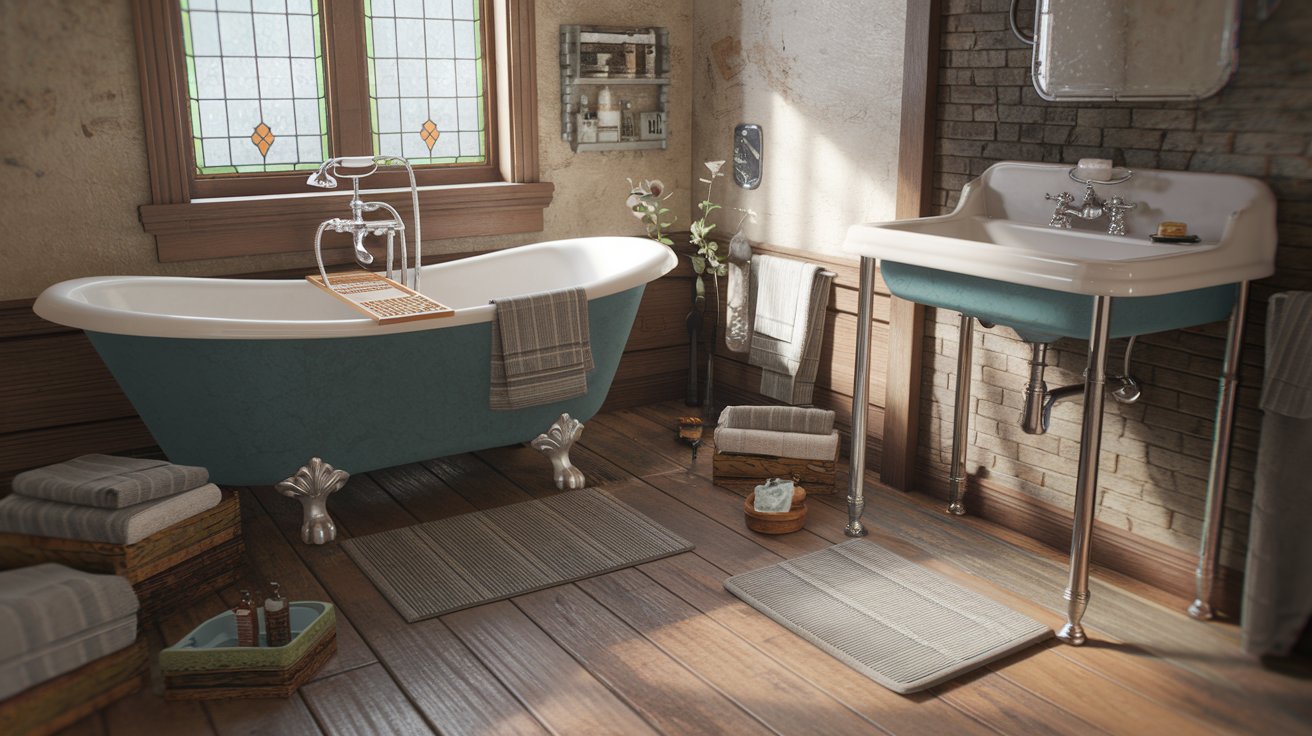
Wood-look tile continues gaining market share, now representing 34% of bathroom tile installations. Advanced printing technology creates authentic wood grain patterns across porcelain surfaces, combining natural aesthetics with waterproof performance. Geometric patterns, hexagonal tiles, and decorative encaustic designs add visual interest to powder rooms and accent areas. Matte and textured finishes have largely replaced glossy surfaces, providing better slip resistance while concealing water spots and soap residue between cleanings.
Sustainable and Eco-Friendly Flooring Choices
Environmental consciousness drives increasing demand for sustainable bathroom flooring materials. Recycled content vinyl products incorporate post-consumer materials while maintaining performance standards. Porcelain tile manufactured with recycled glass and ceramics reduces environmental impact without compromising durability. Low-VOC adhesives and grouts improve indoor air quality, particularly important for asthma sufferers and households with respiratory sensitivities.
Third-party certifications like FloorScore and GREENGUARD Gold help consumers identify products meeting stringent emissions standards. Rapidly renewable materials including bamboo and cork offer sustainable alternatives, though suitability varies by bathroom moisture levels. Local sourcing reduces transportation environmental impact, with many US manufacturers producing quality porcelain and luxury vinyl domestically. Energy-efficient manufacturing processes and recyclability at end-of-life increasingly influence purchasing decisions among environmentally conscious homeowners planning bathroom renovations.
Technology Integration and Smart Features
Heated flooring systems have become standard considerations in premium bathroom renovations, with 43% of high-end projects incorporating radiant heating in 2026. Electric mat systems install easily beneath tile or stone, adding $8-15 per square foot to project costs while providing luxurious warmth and faster drying. Programmable thermostats enable energy-efficient operation, warming floors during morning routines while conserving electricity throughout the day.
Antimicrobial surface treatments represent another technological advancement. Silver ion technology embedded in vinyl wear layers and ceramic glazes inhibits bacterial growth on flooring surfaces. Some manufacturers now offer moisture-sensing underlayments that provide early leak detection, protecting subfloors and adjacent rooms from water damage. These smart features add 10-20% to material costs but provide valuable protection for bathroom spaces where moisture management remains paramount to long-term structural integrity and indoor air quality.
Budget-Friendly Bathroom Flooring Solutions
Achieving the best flooring for bathroom on a budget requires strategic material selection and potential DIY installation. Sheet vinyl represents the most economical waterproof option, costing $1-3 per square foot for materials with straightforward installation suitable for handy homeowners. Modern sheet vinyl products feature improved aesthetics compared to historical options, with convincing stone and tile patterns that provide acceptable appearances for cost-conscious renovations.
Ceramic tile in standard 12×12 inch formats offers excellent performance at moderate costs of $2-5 per square foot for materials. Purchasing during seasonal sales and choosing readily available colors significantly reduces expenses. For labor savings, floating vinyl plank systems enable DIY installation without specialized tools or skills. A typical 50-square-foot bathroom can be renovated with quality materials for $400-800 when homeowners handle installation themselves, compared to $1,200-2,500 for professional installation of similar materials.
Cost Comparison and Value Analysis
Understanding total cost of ownership over expected flooring lifespan provides clearer value perspective than initial purchase price alone. While premium porcelain tile costs 2-3 times more than vinyl initially, its 40-50 year lifespan without replacement makes the annualized cost competitive. Maintenance expenses also factor into long-term value calculations, with low-maintenance vinyl flooring requiring minimal ongoing costs compared to natural stone requiring annual sealing and specialized cleaning products.
Professional installation costs vary by material complexity and regional labor rates. National averages in 2026 show tile installation at $8-15 per square foot, vinyl plank at $2-4 per square foot, and natural stone at $12-20 per square foot. Subfloor preparation, moisture barrier installation, and removal of existing flooring add $2-6 per square foot to total project costs. Obtaining multiple contractor quotes and verifying licensing, insurance, and references ensures quality installation that maximizes flooring performance and longevity.
DIY Installation Considerations
Homeowners with moderate skills can successfully install luxury vinyl flooring using click-lock floating systems. Required tools include utility knife, measuring tape, straight edge, and rubber mallet, representing minimal equipment investment. Online tutorials and manufacturer instructions provide step-by-step guidance. Proper subfloor preparation remains critical, requiring level surfaces within 3/16 inch over 10 feet and appropriate moisture barriers over concrete slabs.
Tile installation presents greater challenges requiring specialized tools including wet saws, trowels, spacers, and grout floats. Learning proper mortar application, achieving level surfaces, and executing professional-appearing grout lines requires practice and patience. Mistakes during tile installation can necessitate costly material replacement and professional remediation. For budget-conscious homeowners without prior experience, vinyl plank installation offers the best balance between cost savings and achievable results, while complex tile layouts warrant professional installation to ensure proper waterproofing and attractive finished appearance.
Special Considerations for Different Bathroom Types
Optimal flooring selection varies by bathroom type and moisture exposure levels. Full bathrooms with tub-shower combinations experience maximum humidity and water exposure, demanding fully waterproof materials with superior slip resistance. Porcelain tile and waterproof luxury vinyl represent ideal choices for these high-moisture environments. Powder rooms and half-baths with sinks only can accommodate wider material ranges including engineered bamboo and waterproof laminate, though truly waterproof options remain preferable for long-term reliability.
Master bathroom suites often justify premium material investments given their prominence and frequent use. Natural stone, large-format porcelain, and high-end luxury vinyl with realistic textures create spa-like environments that enhance daily routines and property values. Guest bathrooms and children’s bathrooms benefit from durable, easy-clean surfaces that withstand heavy use and simplified maintenance requirements. Matching flooring across multiple bathrooms creates cohesive design flow while potentially reducing material costs through bulk purchasing.
Installation Best Practices and Professional Tips
Proper installation fundamentally determines bathroom flooring performance and longevity. Subfloor condition must be assessed before material selection, with any moisture issues requiring remediation prior to flooring installation. Concrete slabs need moisture testing using calcium chloride tests, with readings below 3 pounds per 1,000 square feet per 24 hours considered acceptable for most flooring types. Wooden subfloors require structural integrity verification and moisture content below 12%.
Moisture barriers prove essential for bathroom installations over concrete slabs and even wooden subfloors in humid climates. Polyethylene sheeting or specialized liquid membranes create waterproof layers protecting subfloors from moisture migration. For tile installations, using modified thinset mortar and polymer-modified grouts enhances waterproofing and flexibility. Proper expansion gaps around room perimeters accommodate seasonal expansion and contraction, preventing buckling or lifting. Following manufacturer specifications exactly ensures warranty coverage and optimal long-term performance regardless of selected flooring material.
Common Installation Mistakes to Avoid
Inadequate subfloor preparation represents the most common cause of premature flooring failure. Installing new flooring over uneven, damaged, or moist subfloors inevitably leads to cracking, separation, or water damage. Skipping manufacturer-recommended underlayments or moisture barriers compromises performance, particularly in below-grade bathrooms or humid climates. Using improper adhesives not rated for wet areas causes bond failure and tile displacement.
Insufficient acclimation time for vinyl and tile materials can result in expansion issues post-installation. Materials should remain in installation spaces for 48-72 hours at room temperature before installation. Inadequate expansion gaps around room perimeters cause buckling when materials expand with temperature and humidity changes. For tile installations, using sanded grout in joints smaller than 1/8 inch causes scratching, while unsanded grout in wider joints lacks necessary strength. Hiring experienced professionals or thoroughly researching proper techniques prevents these costly mistakes.
Maintenance and Care for Long-Term Performance
Establishing proper maintenance routines maximizes bathroom flooring lifespan and appearance. Daily or weekly sweeping removes abrasive particles that can scratch surfaces over time. Damp mopping with pH-neutral cleaners maintains cleanliness without degrading protective sealers or surface finishes. Harsh chemicals including bleach, ammonia, and acidic cleaners can damage grout, natural stone, and some vinyl finishes, making product selection important for long-term material preservation.
Periodic deep cleaning removes soap scum buildup and hard water deposits. For tile installations, annual or biannual grout sealing prevents moisture penetration and staining. Luxury vinyl requires no sealing but benefits from manufacturer-recommended cleaning products that don’t leave residue. Natural stone needs annual sealing with penetrating sealers appropriate for stone type. Addressing spills and standing water promptly prevents staining and moisture damage regardless of material type, maintaining both appearance and structural integrity throughout the flooring lifespan.
Combining Bathroom Flooring with Kitchen Selections
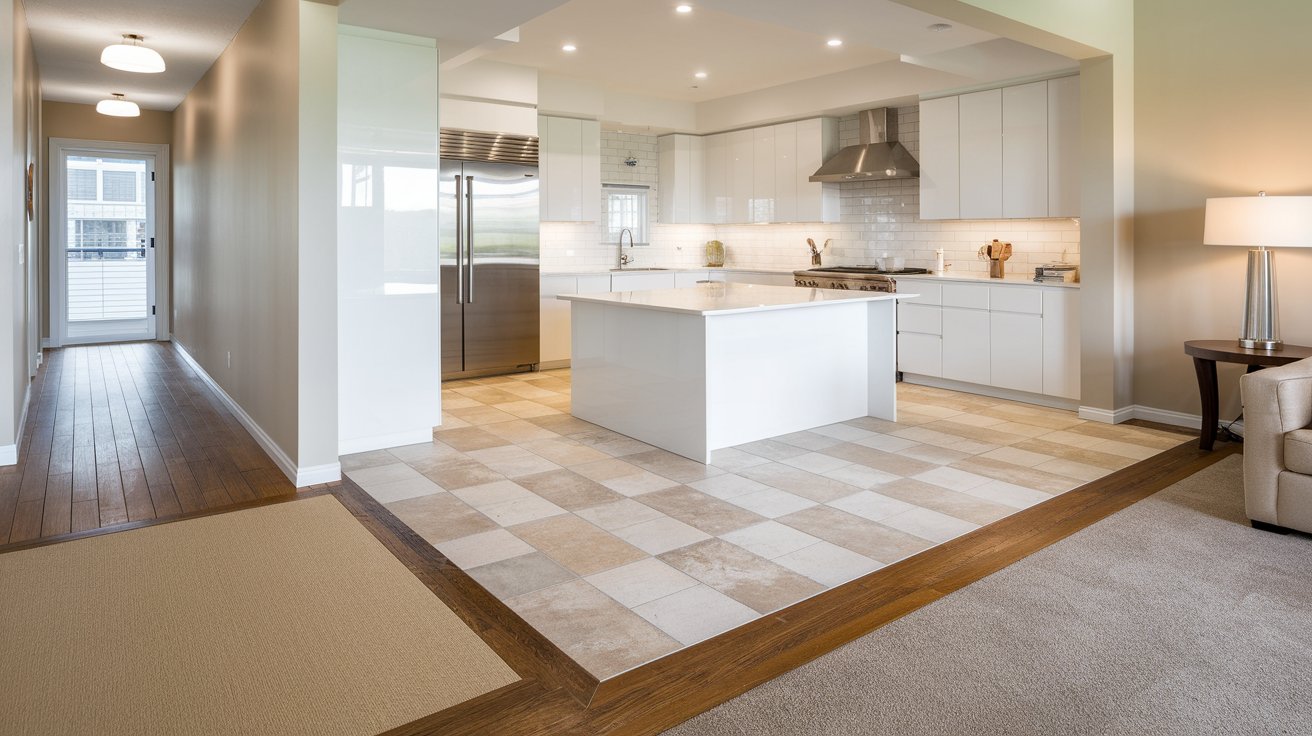
Many homeowners ask what is the best flooring for bathrooms and kitchens when planning comprehensive renovations. These high-moisture areas share similar performance requirements including water resistance, durability, and easy maintenance. Porcelain tile and luxury vinyl excel in both applications, offering consistency across spaces when using identical or coordinating products. Unified flooring creates visual flow in open-concept homes and simplifies maintenance routines.
However, usage patterns differ between bathrooms and kitchens. Kitchens experience more standing time during meal preparation, making cushioned vinyl or cork more comfortable underfoot. Bathroom flooring prioritizes slip resistance in wet conditions over standing comfort. Some homeowners select higher-end materials for visible kitchen areas while choosing practical, budget-friendly options for bathrooms. Coordinating color palettes and design styles across spaces maintains aesthetic cohesion even when using different specific products, balancing practical performance requirements with overall home design objectives.
Related video about best flooring for bathroom
This video complements the article information with a practical visual demonstration.
What you should know
What is the current trend for bathroom floors in 2026?
Current bathroom flooring trends in 2026 emphasize large-format porcelain tiles measuring 12×24 inches or larger, creating spa-like environments with minimal grout lines. Wood-look tile represents 34% of installations, combining natural aesthetics with waterproof performance. Neutral color palettes dominate with warm grays, soft beiges, and natural stone tones accounting for 71% of selections. Matte and textured finishes have replaced glossy surfaces for better slip resistance and easier maintenance. Sustainable materials with recycled content and low-VOC emissions increasingly influence purchasing decisions among environmentally conscious homeowners.
What is the best material to put on the bathroom floor?
Porcelain tile remains the best overall bathroom flooring material due to exceptional water resistance below 0.5% absorption, durability spanning 40-50 years, and design versatility. Luxury vinyl plank with waterproof cores offers excellent alternative performance at lower costs with easier DIY installation. For budget-conscious projects, ceramic tile provides reliable waterproofing at moderate prices. Natural stone suits luxury renovations but requires more maintenance. Material selection should prioritize water resistance, slip resistance ratings above 0.42 DCOF, and maintenance requirements aligned with your lifestyle and budget constraints.
What is the best flooring for asthma sufferers?
Hard, non-porous flooring materials prove best for asthma sufferers by resisting mold growth and trapping fewer allergens than carpeting. Porcelain and ceramic tile surfaces allow thorough cleaning that removes dust, pollen, and other respiratory irritants. Luxury vinyl with antimicrobial coatings inhibits bacterial growth while maintaining easy-clean surfaces. Products certified by FloorScore or GREENGUARD Gold meet stringent low-VOC emissions standards, improving indoor air quality. Regular damp mopping removes particulates without releasing them airborne. Avoid porous natural stone requiring chemical sealers that may off-gas, and select products with minimal volatile organic compound emissions.
Can you install bathroom flooring without grout lines?
Yes, several flooring options eliminate grout lines entirely. Luxury vinyl plank and sheet vinyl provide completely grout-free installations while offering 100% waterproof performance. These materials use click-lock floating systems or adhesive installation methods that create seamless appearances. Large-format rectified porcelain tiles can be installed with minimal 1/16 inch grout lines that become nearly invisible with matching grout colors. However, some grout provides expansion space for tile installations, preventing cracking from thermal movement. For truly grout-free bathrooms, waterproof luxury vinyl represents the optimal combination of performance, aesthetics, and simplified maintenance requirements.
How much does bathroom flooring cost to install in 2026?
Bathroom flooring costs in 2026 range from $8-12 per square foot installed for luxury vinyl, $12-18 for ceramic tile, $15-25 for porcelain tile, and $18-35 for natural stone. These figures include mid-grade materials and professional installation. Sheet vinyl offers budget-friendly options at $3-7 per square foot installed. Additional costs include subfloor preparation at $2-6 per square foot, moisture barriers, and existing flooring removal. A typical 50-square-foot bathroom renovation costs $600-1,750 for materials and installation. DIY installation of click-lock vinyl reduces costs by 40-50%, making bathroom flooring upgrades accessible across various budget ranges.
How long does bathroom flooring typically last?
Bathroom flooring lifespan varies by material type and maintenance quality. Properly installed porcelain tile lasts 40-50 years with minimal maintenance beyond periodic grout resealing. Ceramic tile provides 20-30 years of reliable service. Quality luxury vinyl flooring with 20-mil wear layers lasts 15-25 years, with premium products offering lifetime residential warranties. Natural stone exceeds 50 years with annual sealing and proper care. Sheet vinyl typically lasts 10-15 years before requiring replacement. Professional installation, adequate subfloor preparation, appropriate moisture barriers, and consistent maintenance significantly extend flooring lifespan regardless of material selection, maximizing renovation investment returns.
| Flooring Material | Cost Per Sq Ft Installed | Lifespan | Water Resistance | Best For |
|---|---|---|---|---|
| Porcelain Tile | $15-25 | 40-50 years | Excellent (0.5% absorption) | High-moisture full bathrooms, premium installations |
| Luxury Vinyl Plank | $8-12 | 15-25 years | Excellent (100% waterproof core) | Budget-conscious projects, DIY installations |
| Ceramic Tile | $12-18 | 20-30 years | Very Good (3-7% absorption) | Standard bathrooms, mid-range budgets |
| Natural Stone | $18-35 | 50+ years | Good (requires sealing) | Luxury renovations, unique aesthetics |
| Sheet Vinyl | $3-7 | 10-15 years | Excellent (seamless installation) | Budget renovations, rental properties |