Understanding how much it cost to install flooring is essential for homeowners planning renovation projects in 2026. The average flooring installation cost in the United States ranges from $3 to $22 per square foot, including both materials and labor. This comprehensive guide breaks down pricing for different flooring types, labor costs, removal expenses, and factors that influence your final investment, helping you budget accurately for your flooring project.
Average Flooring Installation Costs in 2026
The cost to install flooring varies significantly based on material selection, room size, and installation complexity. In 2026, homeowners across the United States typically spend between $2,800 and $8,500 for a standard 1,000 square foot installation project. This investment includes both material costs ranging from $1 to $15 per square foot and professional labor averaging $2 to $8 per square foot. Understanding these baseline figures helps you create realistic budget expectations for your flooring renovation.
National averages show that flooring installation costs per square foot have increased approximately 4-6% since 2025 due to material supply chain adjustments and higher skilled labor rates. The most economical options like vinyl and laminate start at $3-$7 per square foot installed, while premium materials such as hardwood and natural stone range from $12-$22 per square foot. Geographic location significantly impacts pricing, with coastal metropolitan areas commanding 20-35% higher rates compared to midwest and southern regions.
Flooring Installation Cost by Material Type
Different flooring materials carry distinct installation costs based on complexity, preparation requirements, and professional expertise needed. The following breakdown provides detailed 2026 pricing for the most popular flooring options available in the United States market.
Laminate Flooring Installation Costs
Laminate flooring remains one of the most cost-effective flooring options with installation ranging from $3 to $8 per square foot in 2026. For a standard 1,000 square foot area, homeowners can expect total costs between $3,000 and $8,000 including materials and labor. The laminate flooring installation cost breaks down to $1-$4 per square foot for materials and $2-$4 per square foot for professional labor. Click-lock laminate systems often reduce installation time and labor expenses compared to glue-down alternatives.
The cost to install 1,000 square feet of laminate flooring averages $5,500 nationally, making it an attractive choice for budget-conscious renovations. Quality laminate products now feature advanced wear layers and realistic wood grain textures that rival traditional hardwood appearances. Installation typically requires minimal subfloor preparation, though moisture barriers add $0.50-$1.00 per square foot in areas prone to humidity. Most professional installers complete 1,000 square foot projects within 2-3 days, reducing project disruption significantly.
Hardwood Flooring Installation Costs
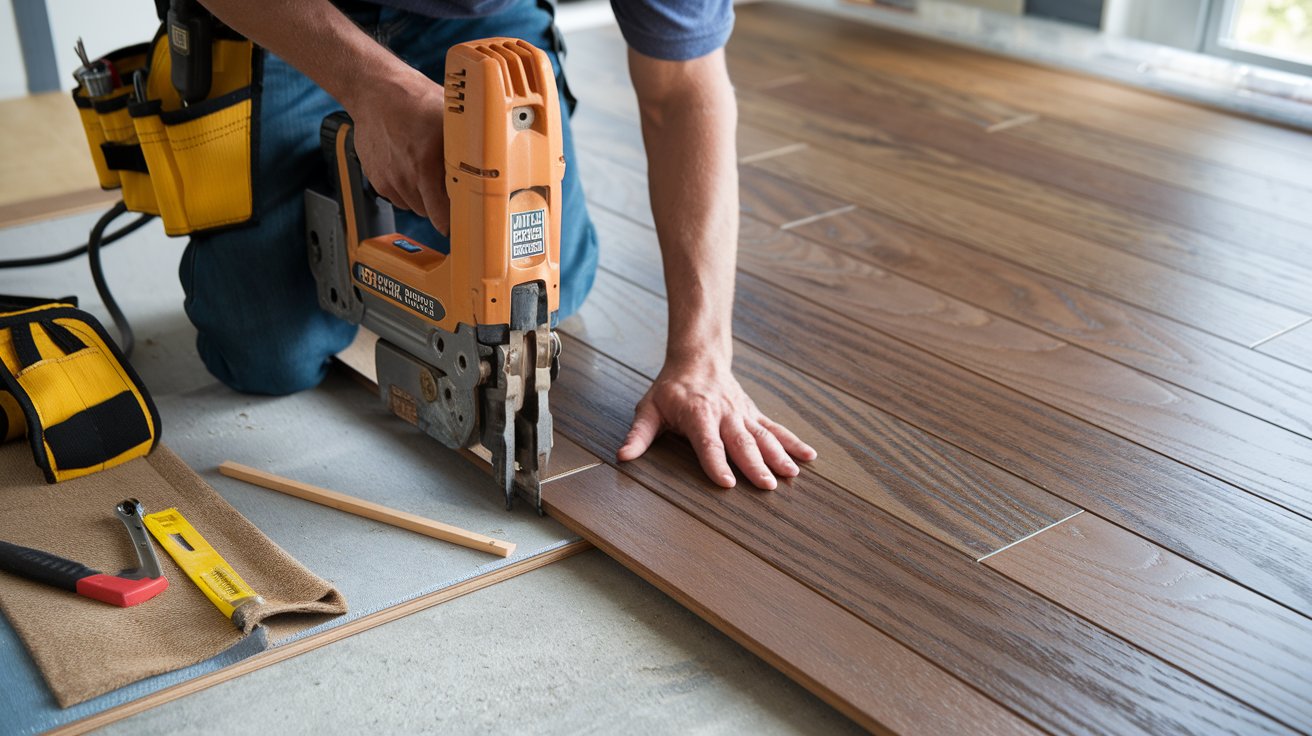
Hardwood flooring represents a premium investment with installation costs ranging from $12 to $22 per square foot in 2026. Material costs alone account for $6-$14 per square foot depending on wood species, with oak, maple, and hickory being more affordable than exotic species like Brazilian cherry or teak. Professional hardwood installation labor averages $6-$8 per square foot, reflecting the specialized skills required for proper alignment, nailing, and finishing techniques.
For a 1,000 square foot installation, homeowners invest between $12,000 and $22,000 for solid hardwood flooring. Engineered hardwood provides a more economical alternative at $8-$16 per square foot installed, offering similar aesthetics with enhanced moisture resistance. Installation complexity increases costs when dealing with intricate patterns, borders, or existing floor removal. Finishing services including sanding, staining, and sealing add $2-$4 per square foot to projects requiring site-finished products rather than pre-finished boards.
Vinyl and LVP Flooring Installation Costs
Vinyl flooring and luxury vinyl plank (LVP) offer exceptional value with installation costs between $4 and $12 per square foot in 2026. Standard sheet vinyl provides the most economical option at $4-$6 per square foot installed, while premium LVP flooring costs range from $7-$12 per square foot including professional installation. Material prices vary from $2-$7 per square foot, with labor adding $2-$5 per square foot depending on installation method and subfloor condition.
The cost to install vinyl flooring in a 1,000 square foot space averages $6,500, positioning it as an excellent mid-range option. Modern LVP products feature waterproof cores, making them ideal for kitchens, bathrooms, and basements. Installation typically proceeds quickly with floating floor systems that require no adhesives, though glue-down installations provide superior stability in high-traffic commercial applications. Vinyl’s flexibility accommodates minor subfloor imperfections, potentially reducing preparation costs compared to rigid flooring materials.
Tile Flooring Installation Costs
Ceramic and porcelain tile installation costs range from $7 to $18 per square foot in 2026, with natural stone tiles reaching $15-$25 per square foot installed. Tile material prices span $1-$12 per square foot depending on quality, size, and design complexity. Professional tile installation labor commands $6-$13 per square foot, reflecting the technical expertise required for proper layout, cutting, grouting, and sealing work.
A typical 1,000 square foot tile flooring project costs between $7,000 and $18,000 nationally. Large-format tiles reduce installation time and costs compared to small mosaic patterns that require meticulous placement. Subfloor preparation proves critical for tile installations, with cement board underlayment adding $3-$5 per square foot to ensure proper support. Natural stone materials like marble, granite, and travertine require specialized cutting tools and sealing products that increase both material and labor expenses significantly.
Carpet Installation Costs
Carpet remains popular for bedrooms and living spaces with installation costs averaging $5 to $11 per square foot in 2026. Carpet material prices range from $2-$7 per square foot depending on fiber type, density, and quality grade. Professional carpet installation labor adds $3-$4 per square foot, covering stretching, seaming, and securing to tack strips. Padding, an essential component for comfort and longevity, costs an additional $0.50-$1.50 per square foot.
For a 1,000 square foot area, homeowners spend between $5,000 and $11,000 for complete carpet installation. Premium options featuring stain-resistant treatments, enhanced cushioning, or luxury fibers like wool command higher prices. Installation complexity increases with stairs, requiring $40-$80 per step for professional work. Budget-conscious homeowners often choose polyester or olefin fibers, while those prioritizing durability invest in nylon carpets that withstand heavy traffic and maintain appearance longer.
Labor Costs for Flooring Installation
Professional flooring installation labor costs constitute 30-50% of total project expenses in 2026, varying significantly by flooring type and regional markets. National average labor rates range from $2 to $8 per square foot, with specialized installations commanding premium rates. Understanding labor cost components helps homeowners evaluate contractor quotes and identify fair market pricing for their geographic area.
Installation labor rates reflect installer expertise, project complexity, and local market conditions. Metropolitan areas like New York, San Francisco, and Boston experience labor costs 25-40% above national averages, while rural and southern markets offer more competitive pricing. Most professional installers charge either per-square-foot rates or daily rates ranging from $350-$650 depending on skill level. Complex projects involving pattern work, multiple rooms, or challenging layouts increase labor time and costs proportionally.
DIY vs Professional Installation Costs
Homeowners considering DIY flooring installation can reduce project costs by 40-60% through self-installation, though this approach requires appropriate skills, tools, and time investment. Tool rental costs average $150-$400 for essential equipment like floor cutters, nail guns, and moisture meters. Simple floating floor systems like laminate and LVP present realistic DIY opportunities, while hardwood, tile, and carpet installations benefit significantly from professional expertise to avoid costly mistakes.
Professional installation provides critical advantages including warranty protection, proper subfloor preparation, and expert handling of challenging spaces. Most flooring manufacturers require professional installation for warranty coverage, particularly for waterproof claims on luxury vinyl products. Time investment proves substantial for DIY projects, with inexperienced installers requiring 3-5 times longer than professionals. Hidden costs like subfloor repairs, improper measurements, and material waste often diminish anticipated DIY savings significantly.
Additional Labor Services and Fees
Beyond basic installation, several additional labor services impact total project costs in 2026. Furniture moving typically adds $100-$300 per room, though some contractors include this service. Baseboard and trim removal costs $1-$2 per linear foot, with reinstallation adding another $2-$4 per linear foot. Homeowners should clarify which services contractors include in base quotes versus itemized as extras.
Subfloor preparation represents a critical cost factor, with leveling services ranging from $2-$5 per square foot depending on severity. Minor repairs addressing squeaks or loose boards cost $150-$400, while extensive subfloor replacement reaches $2,000-$5,000 for severely damaged areas. Moisture barrier installation adds $0.50-$1.50 per square foot in areas requiring vapor protection. Transitions between different flooring types or rooms require specialized moldings costing $20-$60 per transition piece installed.
Cost to Install Flooring in Different Room Sizes
Room dimensions significantly influence flooring installation costs due to material requirements, waste factors, and labor efficiency. Smaller rooms often experience higher per-square-foot costs due to increased cutting, fitting, and minimum service charges, while larger spaces benefit from economies of scale and reduced waste percentages.
Cost to Floor a 12×12 Room
A standard 12×12 room encompasses 144 square feet, with flooring installation costs ranging from $430 to $3,170 in 2026 depending on material selection. Budget-friendly laminate flooring costs approximately $430-$1,150 installed, while mid-range vinyl or carpet reaches $575-$1,585. Premium hardwood installation for this size room ranges from $1,730-$3,170, reflecting material quality and installation complexity.
The cost to floor a 12×12 room often includes minimum service charges from contractors, typically $300-$500 regardless of actual square footage. This pricing structure makes small room projects proportionally more expensive per square foot. Material waste increases in compact spaces due to cutting requirements around doorways, closets, and fixtures. Homeowners renovating multiple small rooms simultaneously often negotiate better per-square-foot rates through combined project pricing.
Cost to Install 1000 Square Feet of Flooring
The cost to install 1,000 square feet of flooring represents the most common project size for whole-home main level renovations in 2026. Total investment ranges from $3,000 to $22,000 depending on material selection and installation complexity. Economical laminate installations average $5,500, mid-range vinyl or carpet projects cost $7,500-$9,500, while premium hardwood installations reach $17,000-$22,000 for quality materials and expert craftsmanship.
Larger square footage projects benefit from reduced material waste, typically 5-10% compared to 15-20% in smaller spaces. Contractors often provide volume discounts on 1,000 square foot installations, reducing per-square-foot labor rates by $0.50-$1.50. Planning considerations include multi-room coordination, furniture storage during installation, and household disruption lasting 3-7 days depending on material type. Many homeowners phase installations across multiple rooms to manage costs and maintain livable spaces during renovation periods.
Flooring Removal and Preparation Costs
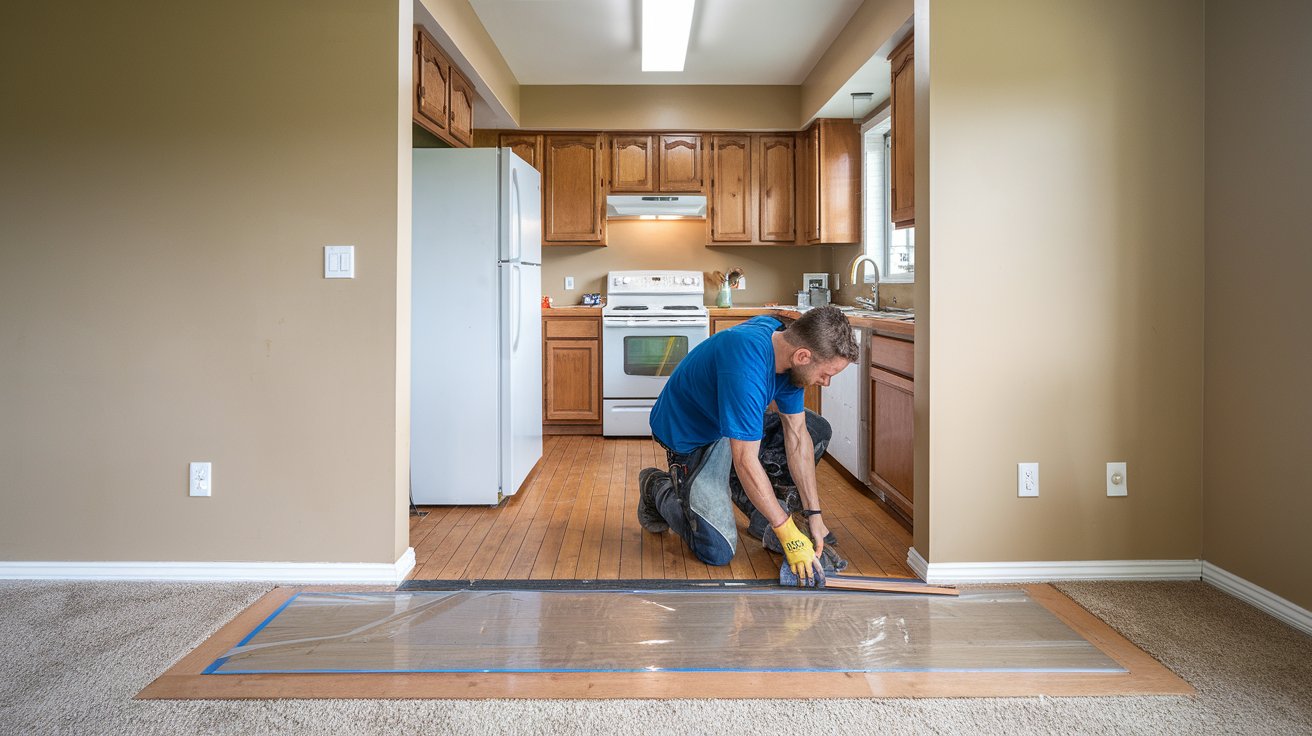
Existing flooring removal costs add significant expense to replacement projects, ranging from $1 to $5 per square foot in 2026 depending on material type and installation method. Simple removal of floating laminate or carpet costs $1-$2 per square foot, while glued-down vinyl, tile, or hardwood removal reaches $2-$5 per square foot due to labor intensity and adhesive residue challenges.
The average cost of flooring removal and installation combined ranges from $4 to $27 per square foot nationally. Carpet removal proves least expensive at $1-$1.50 per square foot including padding disposal. Tile and hardwood removal requires specialized tools and techniques, often generating substantial debris requiring dumpster rental at $300-$600 additional cost. Some contractors include removal in comprehensive installation quotes, while others charge separately, making quote comparison essential for accurate budget planning.
Subfloor Repair and Leveling Costs
Proper subfloor preparation ensures flooring longevity and performance, with repair costs ranging from $2-$8 per square foot in 2026. Minor leveling using self-leveling compound costs $2-$3 per square foot for areas with variations under 1/4 inch. Significant subfloor damage from water, termites, or structural issues requires replacement at $6-$8 per square foot including new plywood or OSB installation.
Professional installers assess subfloor condition before providing final quotes, as hidden issues discovered during removal increase project costs. Concrete subfloors may require grinding to remove old adhesive at $1-$2 per square foot. Wood subfloor reinforcement addressing bounce or squeaks costs $150-$400 for typical problem areas. Moisture testing proves essential in basements and ground-level installations, with remediation systems costing $1,500-$3,500 when moisture barriers and drainage improvements become necessary.
Factors Affecting Flooring Installation Costs
Multiple variables influence final flooring installation expenses beyond basic material and labor rates. Understanding these cost factors helps homeowners anticipate potential budget adjustments and make informed decisions throughout the planning process. Geographic location, project timing, and specific site conditions all play significant roles in determining total investment requirements.
Installation complexity factors include room layout irregularities, existing floor conditions, furniture moving requirements, and access challenges. Homes with multiple levels, narrow doorways, or limited parking increase labor time and equipment needs. Seasonal demand fluctuations affect pricing, with spring and summer commanding premium rates due to high contractor demand. Material availability issues in 2026 occasionally extend project timelines or necessitate alternative product selections affecting cost estimates.
Geographic Location and Regional Pricing
Regional cost variations for flooring installation reflect local labor markets, material transportation expenses, and cost-of-living differences across the United States. West Coast metropolitan areas experience the highest installation costs, averaging 30-40% above national rates. Northeast markets follow closely with 25-35% premiums, while Midwest and Southern regions offer 10-20% below national average pricing.
State-specific flooring costs show California averaging $8-$25 per square foot installed, New York reaching $7-$23 per square foot, and Texas ranging $4-$18 per square foot for comparable materials. Rural areas within expensive states often provide better value than small-town locations in traditionally affordable regions. Material costs remain relatively consistent nationally due to standardized wholesale pricing, making labor rate differences the primary geographic cost variable affecting project budgets.
Room Layout and Installation Complexity
Room configuration significantly impacts installation labor costs and material waste in 2026. Open-concept spaces with minimal obstacles allow efficient installation at standard rates, while rooms with multiple doorways, closets, and built-in features increase cutting requirements and waste by 15-25%. Diagonal or herringbone patterns add 20-40% to labor costs compared to standard straight installations.
Complex layout challenges include stairs requiring precise templating and cutting at $40-$80 per step, curved walls necessitating specialized techniques, and transitions between multiple rooms or floor levels. Kitchens and bathrooms present additional complexity with cabinet toe-kick cutting, toilet removal and reinstallation ($150-$300), and precise cuts around cabinetry. Homes with radiant floor heating systems require careful installation protocols, often adding $1-$2 per square foot for compatible materials and specialized installation techniques.
Flooring Installation Cost Calculator Considerations
Using a flooring installation cost calculator provides preliminary budget estimates, though accuracy depends on inputting comprehensive project details. Effective calculators account for room square footage, material type, labor rates, removal requirements, and preparation needs. Most online calculators generate estimates within 15-25% of actual costs, with final quotes from licensed contractors providing definitive pricing.
Accurate cost calculations require measuring room dimensions carefully, accounting for closets, alcoves, and irregular spaces. Add 5-10% material overage for standard layouts and 10-15% for complex configurations to ensure adequate coverage. Factor in all ancillary costs including underlayment, moisture barriers, transitions, trim, and disposal fees. Professional estimates typically include site assessments revealing hidden costs like subfloor damage or asbestos flooring requiring specialized removal at $3-$8 per square foot.
Home Depot and Retailer Installation Costs
Major retailers including Home Depot offer professional flooring installation services with transparent pricing and warranty protection in 2026. Home Depot installation costs typically range from $3-$12 per square foot depending on material type, competitive with independent contractors while providing corporate backing and quality guarantees. These services include free in-home measurements, detailed quotes, and coordination of all installation aspects.
Retailer installation programs provide convenience through single-source accountability for both materials and labor, though pricing may exceed experienced independent contractors by 10-20% in competitive markets. Home Depot’s installation network uses licensed, insured subcontractors who meet company standards. Services typically include furniture moving, old flooring removal, and basic subfloor preparation. Extended warranties and financing options make retailer installations attractive for homeowners prioritizing convenience and comprehensive protection over absolute lowest cost.
Money-Saving Tips for Flooring Installation
Strategic planning reduces flooring installation costs without sacrificing quality or longevity in 2026. Timing projects during contractor off-seasons, typically November through February, often yields 10-20% discounts on labor rates. Purchasing materials during major holiday sales events saves 15-30% on product costs, though professional installation should never be compromised for marginal material savings.
Additional cost-saving strategies include handling room preparation independently, including furniture moving, baseboard removal, and thorough cleaning. Selecting materials with lower installation complexity like click-lock laminate versus glue-down hardwood reduces labor expenses significantly. Obtaining multiple detailed quotes from licensed contractors ensures competitive pricing while revealing potential hidden costs. Consider purchasing surplus or discontinued flooring products at 30-50% discounts when aesthetic perfection isn’t paramount, ideal for basements, rental properties, or transitional spaces.
Related video about how much does it cost to install flooring
This video complements the article information with a practical visual demonstration.
What you should know
How much does it cost to install 1000 square feet of flooring?
Installing 1,000 square feet of flooring costs between $3,000 and $22,000 in 2026 depending on material selection. Laminate flooring averages $5,500 installed, vinyl and carpet range from $7,500-$9,500, while premium hardwood installations reach $17,000-$22,000. These prices include both materials and professional labor. Budget-friendly options start at $3 per square foot installed, mid-range materials cost $7-$12 per square foot, and luxury hardwood or stone flooring reaches $15-$22 per square foot. Always obtain multiple quotes and verify what services are included in base pricing.
How much does it cost to floor a 12×12 room?
Flooring a 12×12 room (144 square feet) costs between $430 and $3,170 in 2026 based on material choice. Laminate installation averages $430-$1,150, vinyl or carpet ranges from $575-$1,585, and hardwood flooring costs $1,730-$3,170 for this room size. Small room installations often incur minimum service charges of $300-$500 from contractors, increasing the effective per-square-foot cost. Material waste percentages also run higher in compact spaces due to cutting requirements around doorways and fixtures, typically adding 15-20% to material quantities needed.
How much does Home Depot cost to lay flooring?
Home Depot flooring installation costs range from $3 to $12 per square foot in 2026 depending on material type, competitive with independent contractors. Their services include free in-home measurements, professional installation by licensed subcontractors, and warranty protection. Basic laminate installation starts around $3-$5 per square foot, vinyl and carpet average $5-$8 per square foot, while hardwood installation reaches $8-$12 per square foot. Home Depot’s installation includes furniture moving, old flooring removal, and coordination of all project aspects, providing convenience through single-source accountability for materials and labor.
How much does it cost to install flooring per square foot?
Flooring installation costs between $3 and $22 per square foot in the United States during 2026, including both materials and labor. Budget materials like vinyl and laminate cost $3-$7 per square foot installed, mid-range options including quality vinyl plank and carpet range from $7-$12 per square foot, while premium hardwood and natural stone reach $12-$22 per square foot. Labor alone averages $2-$8 per square foot depending on material complexity and regional market rates. Geographic location significantly impacts pricing, with coastal metropolitan areas commanding 25-40% premiums over midwest and southern markets.
What is the average cost of flooring removal and installation?
The combined cost of flooring removal and installation ranges from $4 to $27 per square foot in 2026, depending on existing floor type and new material selection. Removal alone costs $1-$5 per square foot, with carpet being least expensive at $1-$1.50 per square foot and glued tile or hardwood reaching $2-$5 per square foot. When adding installation of new flooring, budget laminate projects total $4-$9 per square foot, mid-range vinyl averages $8-$15 per square foot, and premium hardwood reaches $15-$27 per square foot. Always verify whether contractor quotes include removal costs or charge separately to ensure accurate budget planning.
How much does it cost to install 1,000 square feet of laminate flooring?
Installing 1,000 square feet of laminate flooring costs between $3,000 and $8,000 in 2026, with a national average of approximately $5,500. This investment includes laminate materials at $1-$4 per square foot and professional installation labor at $2-$4 per square foot. Quality differences in laminate products affect pricing significantly, with basic options starting at $3 per square foot installed and premium waterproof or textured laminate reaching $8 per square foot. Additional costs include underlayment at $0.50-$1.00 per square foot and potential subfloor preparation. Most 1,000 square foot laminate installations complete within 2-3 days with minimal household disruption.
| Flooring Type | Cost Per Square Foot (Installed) | Best Applications |
|---|---|---|
| Laminate | $3-$8 | Budget-friendly whole-home installations, moderate traffic areas |
| Vinyl/LVP | $4-$12 | Moisture-prone areas, kitchens, bathrooms, basements |
| Carpet | $5-$11 | Bedrooms, living rooms, comfort-focused spaces |
| Tile (Ceramic/Porcelain) | $7-$18 | Bathrooms, entryways, high-moisture environments |
| Hardwood | $12-$22 | Premium living spaces, long-term investment areas |