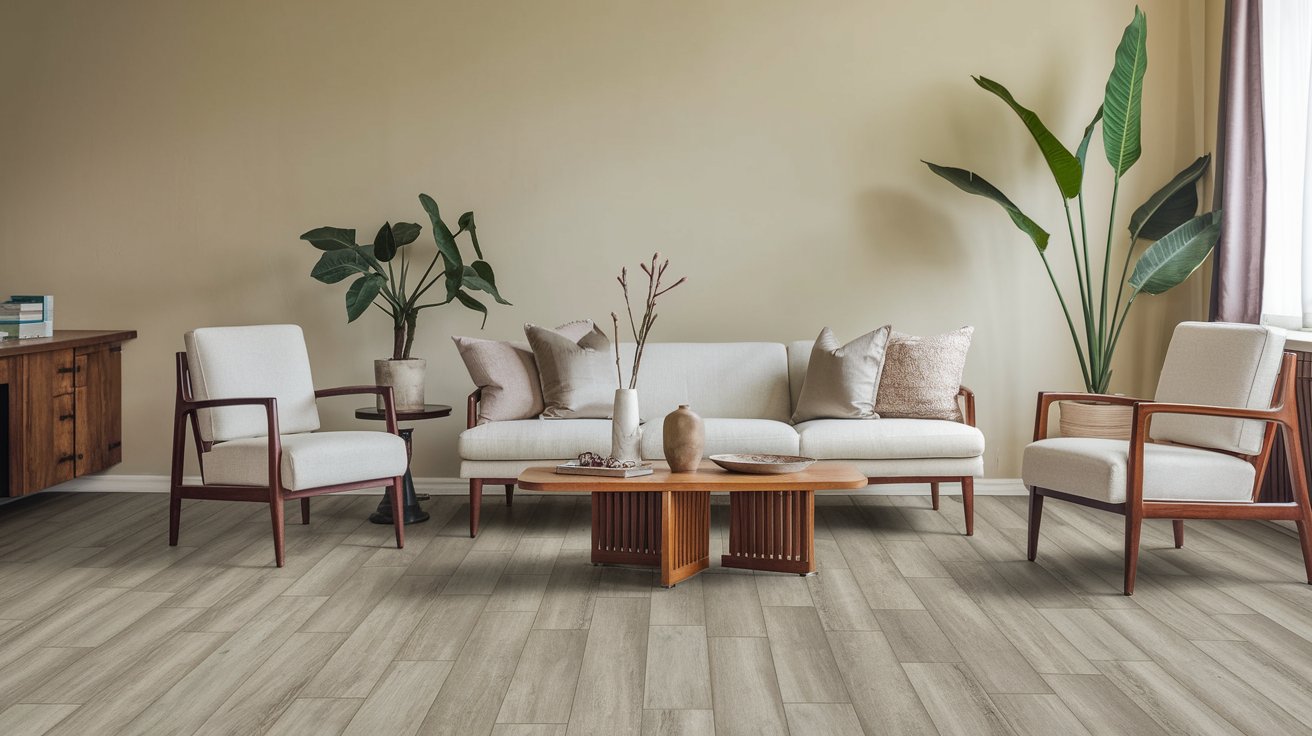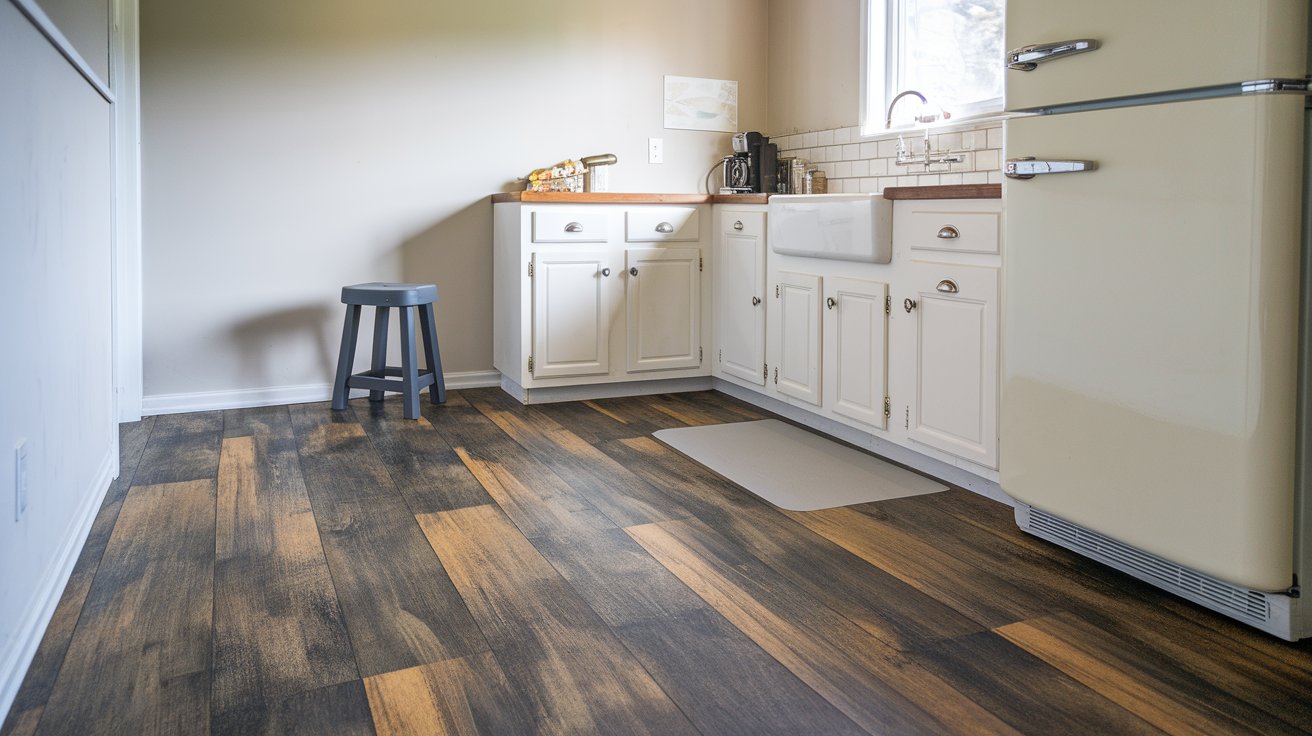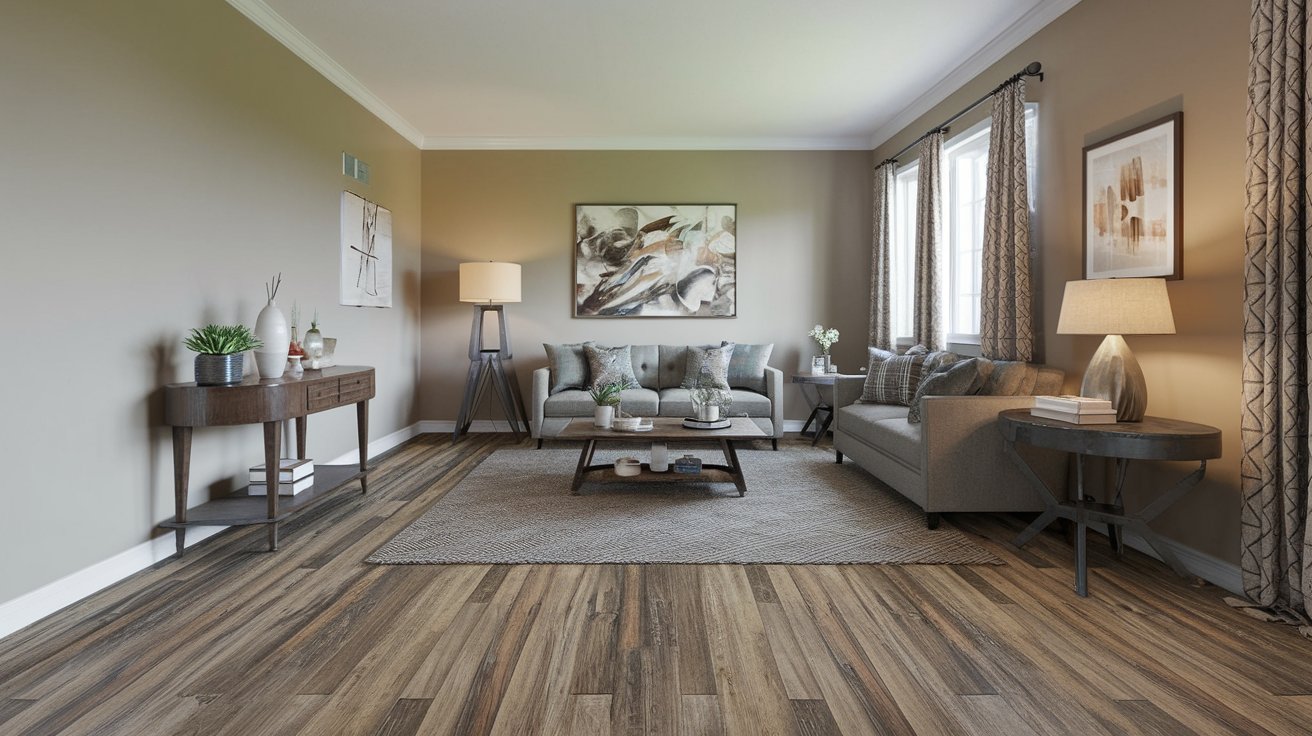
Peel and stick vinyl flooring has revolutionized home renovation in the United States, offering homeowners a DIY-friendly flooring solution that combines affordability with professional-looking results. This self-adhesive flooring option has gained tremendous popularity in 2026, with the market reaching $3.2 billion as more Americans discover its easy installation process and impressive durability. Whether you’re renovating a bathroom, kitchen, or entire home, understanding the benefits and proper installation techniques of peel and stick vinyl flooring will help you make an informed decision for your space.
What Is Peel and Stick Vinyl Flooring and How Does It Work
Peel and stick vinyl flooring consists of self-adhesive vinyl planks or tiles that feature a protective backing you simply peel off before installation. These products are manufactured with multiple layers including a wear layer, design layer, core layer, and adhesive backing that sticks directly to your subfloor. The technology behind modern peel and stick flooring has advanced significantly in 2026, with manufacturers like TrafficMaster, Achim, and Lifeproof incorporating enhanced adhesive formulas that create stronger bonds while remaining repositionable during installation.
The construction of quality peel and stick vinyl typically includes a 12-20 mil wear layer that protects against scratches, a high-definition printed design layer that mimics wood or stone, and a stable vinyl core that resists moisture. The adhesive backing uses pressure-sensitive technology, meaning the bond strengthens over time as foot traffic applies pressure. In the United States market, you’ll find products ranging from budget-friendly options at $0.89 per square foot to premium selections reaching $4.50 per square foot, with installation costs averaging $2-5 per square foot when professionally done.
Are Peel and Stick Vinyl Floors Any Good
Yes, peel and stick vinyl floors have become remarkably good in 2026, with third-generation products offering performance that rivals traditional vinyl and even some engineered hardwood options. Consumer Reports testing shows that top-rated peel and stick flooring scores 8.2 out of 10 for durability, with premium products resisting indentation, staining, and wear comparable to glue-down luxury vinyl tile. The key factors that determine quality include wear layer thickness, adhesive strength, and core stability.
The performance of peel and stick vinyl depends heavily on proper installation and subfloor preparation. When installed correctly on smooth, clean surfaces, these floors perform exceptionally well in residential applications. However, they do have limitations compared to traditional flooring. The adhesive can fail on textured surfaces or in extreme temperature fluctuations, and lower-quality products may show edge lifting after 2-3 years. HomeAdvisor data from 2026 indicates that homeowner satisfaction rates reach 87% for premium brands but drop to 63% for budget options under $1 per square foot.
How Long Will Peel and Stick Vinyl Flooring Last
The lifespan of peel and stick vinyl flooring ranges from 5 to 25 years depending on product quality, installation conditions, and traffic levels. Entry-level products typically last 5-7 years in moderate traffic areas, mid-range options endure 10-15 years, while premium peel and stick vinyl from manufacturers like Lifeproof and TrafficMaster can last 20-25 years when properly maintained. The National Floor Covering Alliance reports that the average replacement cycle for peel and stick floors in American homes is currently 12 years.
Several factors significantly impact durability of vinyl flooring including wear layer thickness (12 mil minimum for residential, 20 mil for high traffic), subfloor quality, climate conditions, and maintenance routines. In the United States, regions with extreme temperature variations like Minnesota or Arizona see reduced longevity compared to moderate climates. Proper installation and maintenance can extend floor life by 40-60%, making the difference between replacement at 8 years versus 15 years. Products with rigid core construction and commercial-grade adhesives perform best, with documented cases of installations lasting beyond manufacturer warranties.
Do You Need Underlayment for Peel and Stick Vinyl Flooring
Most peel and stick vinyl flooring does not require underlayment because it installs directly onto the subfloor, and adding underlayment can actually interfere with adhesive bonding. The self-adhesive backing needs direct contact with a smooth, solid surface to create a proper bond. However, there are specific situations where underlayment becomes necessary or beneficial for optimal floor performance and comfort.
When your subfloor has minor imperfections, a thin embossing leveler can create the smooth surface needed for proper adhesion rather than traditional underlayment. For concrete subfloors with moisture issues, a vapor barrier underlayment specifically designed for adhesive flooring may be required. Additionally, some manufacturers now produce peel and stick vinyl with attached underlayment that provides sound dampening and slight cushioning without compromising adhesive performance. In 2026, approximately 15% of installations in the United States use specialized underlayment, primarily in basement applications or over concrete slabs where moisture control is essential.
Best Peel and Stick Vinyl Flooring Brands in 2026
Premium peel and stick vinyl flooring brands have distinguished themselves through superior adhesive technology, realistic designs, and proven durability. Lifeproof leads the market with its rigid core peel and stick planks featuring 20 mil wear layers and lifetime residential warranties. TrafficMaster offers excellent value with products ranging from $1.29 to $2.99 per square foot that consistently receive 4.3-star ratings from over 12,000 verified purchasers.
Achim Home Furnishings provides budget-friendly peel and stick options starting at $0.89 per square foot, ideal for rental properties or temporary installations. FloorPops has captured the designer market with trendy patterns and geometric designs, while LifeProof Select focuses on waterproof technology with sealed edges. Consumer testing by FloorCritics in 2026 ranked top performing brands based on adhesion strength, wear resistance, and design authenticity, with Lifeproof and TrafficMaster Premium consistently occupying the top positions. The United States market now offers over 2,000 different SKUs across these major brands, with new collections launching quarterly.
Peel and Stick Vinyl Flooring Installation Guide
Proper installation of peel and stick vinyl flooring determines 70% of long-term performance success. The process begins with thorough subfloor preparation, which includes cleaning, leveling, and ensuring the surface is completely dry. Your subfloor should be smooth within 3/16 inch over a 10-foot span, free of debris, and have moisture levels below 4.5% for wood or properly sealed if concrete.
The step-by-step installation process requires acclimating flooring to room temperature for 48 hours before installation, establishing proper layout lines from the room’s center or longest wall, and carefully peeling backing while pressing planks firmly from center outward to eliminate air bubbles. Professional installers recommend using a 100-pound floor roller within 2-4 hours of installation to maximize adhesive bond. Common installation mistakes include rushing the acclimation period, installing over textured surfaces, and failing to stagger seams properly, which leads to premature failure and edge lifting. The average DIY installation time is 4-6 hours per 200 square feet for experienced homeowners.
Peel and Stick Vinyl Flooring for Bathrooms
Bathroom applications for peel and stick vinyl require waterproof or water-resistant products with sealed edges and enhanced adhesive formulas. The high humidity and occasional water exposure in bathrooms demand flooring specifically rated for wet areas, with most manufacturers clearly labeling bathroom-safe peel and stick options in their product lines. These specialized products feature upgraded adhesives that maintain bonding strength even with moisture exposure and protective coatings that prevent water penetration at seams.
When installing peel and stick vinyl in bathrooms, pay special attention to areas around toilets, tubs, and sinks where water contact is most likely. Apply additional waterproof sealant along seams and edges, ensure proper ventilation to minimize humidity buildup, and consider products with antimicrobial treatments that resist mold and mildew growth. Popular choices for bathroom installations include Lifeproof Waterproof Rigid Core, TrafficMaster Ceramica, and FloorPops Aqua designs. Installation in a standard 5×8 foot bathroom typically costs $150-400 for materials and can be completed in 3-5 hours, making it a cost-effective bathroom renovation solution that gained 34% market share in 2026.
Peel and Stick Vinyl Flooring Roll vs Tiles
Peel and stick vinyl flooring rolls offer continuous coverage ideal for larger spaces, reducing the number of seams and creating a more seamless appearance. These rolls typically come in 6-foot or 12-foot widths and lengths up to 20 feet, making them perfect for hallways, laundry rooms, and open floor plans. The installation process is faster for experienced users, but rolls are more challenging to handle alone and require precise cutting.
In contrast, peel and stick vinyl tiles and planks provide greater installation flexibility, easier handling for DIY projects, and simpler replacement of damaged sections. Individual tiles typically measure 12×12 inches or 12×24 inches, while planks range from 6×36 inches to 9×48 inches, mimicking traditional hardwood dimensions. Tiles excel in small spaces like bathrooms and closets where cuts and angles are common, while planks create realistic wood-look installations. The choice between formats depends on room size, design preference, and installer skill level, with planks representing 68% of United States sales in 2026 due to the popularity of wood-look designs. Cost differences are minimal, with both formats available across similar price ranges from $0.89 to $4.50 per square foot.
Which Flooring Is Good for Leg Pain
For individuals experiencing leg pain and joint discomfort, flooring with cushioning properties and shock absorption provides significant relief. Peel and stick vinyl flooring with attached foam backing or cork underlayment reduces impact stress on legs, knees, and hips compared to hard surfaces like tile or concrete. Orthopedic specialists recommend flooring that offers some resilience while maintaining stability, making cushioned vinyl an excellent option for leg pain sufferers.
The best peel and stick vinyl for leg pain includes products with 2-3mm foam backing or those installed over specialized comfort underlayment designed for adhesive flooring. These solutions provide cushioning that reduces fatigue during prolonged standing, which is particularly beneficial in kitchens and laundry rooms where people spend extended periods on their feet. Medical studies from the American Podiatric Medical Association indicate that cushioned flooring can reduce leg and lower back pain by 24-37% compared to hard tile or concrete surfaces. Alternative flooring options for pain relief include cork, rubber, and luxury vinyl plank with integrated padding, though these may not offer the peel and stick convenience. For optimal results, combine cushioned flooring with supportive footwear and anti-fatigue mats in high-use standing areas.
Waterproof Peel and Stick Floor Tile Options
Waterproof peel and stick floor tiles have become essential for moisture-prone areas, with 2026 products featuring 100% waterproof cores made from rigid SPC (stone plastic composite) or WPC (wood plastic composite) materials. Unlike water-resistant options that can tolerate occasional moisture, truly waterproof peel and stick tiles can withstand standing water, making them ideal for basements, bathrooms, laundries, and mudrooms throughout the United States.
The technology behind waterproof vinyl flooring includes sealed edges, waterproof wear layers, and impervious cores that prevent water absorption and damage. Leading products like Lifeproof Waterproof Rigid Core and TrafficMaster Allure Ultra feature locking mechanisms combined with peel and stick adhesive for enhanced water resistance at seams. Installation of waterproof peel and stick options requires the same careful subfloor preparation but offers peace of mind in areas where spills and moisture are common. Testing by the Resilient Floor Covering Institute shows that properly installed waterproof peel and stick flooring can resist water damage for 72+ hours of continuous exposure, with premium products maintaining structural integrity even longer. Prices for waterproof options range from $2.29 to $4.50 per square foot, representing a 30-50% premium over standard water-resistant products.
Cost Analysis and Where to Buy
The cost of peel and stick vinyl flooring in 2026 varies significantly based on quality tier, brand, and features. Budget options range from $0.89 to $1.49 per square foot, mid-range products cost $1.50 to $2.99 per square foot, and premium waterproof options reach $3.00 to $4.50 per square foot. For a typical 300 square foot installation, total material costs range from $267 for basic products to $1,350 for premium selections, making peel and stick vinyl one of the most affordable flooring options available.
You can purchase peel and stick vinyl flooring near me at major retailers including Home Depot, Lowe’s, Menards, and Floor & Decor, which collectively account for 73% of United States sales. Online retailers like BuildDirect, Lumber Liquidators, and Amazon offer competitive pricing and home delivery, often featuring broader selection and customer reviews. Local flooring specialty stores provide expert consultation and sometimes exclusive products not available at big-box retailers. When comparing sources, consider factors beyond price including return policies, warranty support, and sample availability. Many retailers offer free samples of peel and stick vinyl so you can test adhesion and appearance before committing to a full purchase. Installation costs when hiring professionals average $2-5 per square foot in the United States, though the DIY-friendly nature of peel and stick products allows most homeowners to eliminate this expense entirely.
Maintenance and Care for Long-Lasting Results
Proper maintenance of peel and stick vinyl flooring extends its lifespan significantly and maintains its appearance for years. Daily care involves sweeping or vacuuming with a soft brush attachment to remove dirt and grit that can scratch the wear layer. Weekly cleaning should include damp mopping with pH-neutral vinyl floor cleaner diluted according to manufacturer instructions, avoiding excessive water that could seep into seams.
For deep cleaning peel and stick vinyl, use products specifically formulated for luxury vinyl that won’t damage the wear layer or weaken adhesive bonds. Avoid harsh chemicals, abrasive scrubbers, and steam mops which can cause edge lifting and adhesive failure. Address spills immediately to prevent staining, use felt pads under furniture legs to prevent indentations, and place mats at entryways to reduce tracked-in dirt. The Vinyl Flooring Institute recommends professional deep cleaning every 12-18 months for high-traffic installations. Common issues like edge lifting can be repaired by cleaning the affected area, applying vinyl flooring adhesive, and weighting until cured. Scratches in the wear layer can sometimes be minimized with vinyl floor polish or repair kits available from manufacturers. With proper care, well-maintained peel and stick vinyl retains 85-90% of its original appearance even after a decade of use.
Related video about peel and stick vinyl flooring
This video complements the article information with a practical visual demonstration.
FAQ – Common Questions
Can you install peel and stick vinyl flooring over existing floors?
You can install peel and stick vinyl over certain existing floors if they are smooth, clean, and firmly attached. Acceptable substrates include existing vinyl sheet flooring, ceramic tile with filled grout lines, and sealed concrete. However, you should not install over carpet, cushioned vinyl, or floors with texture that exceeds 1/8 inch depth. The existing floor must be thoroughly cleaned, deglossed with fine sandpaper, and completely dry. Any loose areas, damaged sections, or uneven spots need repair before installation. For best results and longest lifespan, most flooring professionals recommend removing old flooring to install directly on the subfloor. Installing over existing floors adds height which may create issues with door clearances and transitions, requiring additional trim work.
Is peel and stick vinyl flooring safe for homes with pets?
Yes, peel and stick vinyl flooring is pet-friendly when you choose products with adequate wear layer thickness and scratch resistance. Look for options with at least 12 mil wear layers for small to medium pets, or 20 mil for large dogs with strong claws. The waterproof varieties are particularly beneficial for pet owners as they resist accidents and make cleanup simple. Textured surfaces provide better traction for pets compared to smooth finishes. However, keep pet nails trimmed to minimize scratching, clean up accidents immediately to prevent odor absorption, and use protective mats under food and water bowls. Premium brands like Lifeproof and TrafficMaster offer pet-proof collections specifically designed to withstand claw traffic, with scratch-resistant coatings and antimicrobial treatments. Many pet owners in the United States report satisfaction with these floors lasting 10+ years even with multiple large dogs.
How do you remove peel and stick vinyl flooring?
Removing peel and stick vinyl flooring requires heating the adhesive with a heat gun or hair dryer set to medium, then carefully lifting planks or tiles starting from a corner or seam. Work slowly to avoid tearing the product and leaving adhesive residue. Once removed, use a floor scraper or putty knife to remove remaining adhesive, then apply adhesive remover specifically designed for vinyl flooring according to product directions. For stubborn residue, mineral spirits or commercial adhesive removers like Goo Gone work effectively. The removal process typically takes 2-4 hours for a 200 square foot room. Some newer products with enhanced adhesives may be more difficult to remove and could require professional equipment. Always ensure proper ventilation when using chemical removers, and test in a small area first to ensure it won’t damage your subfloor. After complete removal and cleaning, sand the subfloor lightly and vacuum thoroughly before installing new flooring.
Will peel and stick vinyl flooring work in cold basements?
Peel and stick vinyl flooring can work in basements if you address temperature and moisture concerns properly. The adhesive requires temperatures above 65°F during installation and should not be subjected to freezing temperatures, which can cause bonding failure. In cold basements, install heating or wait for warmer months to ensure proper adhesive activation. Moisture is the bigger concern in basements, requiring waterproof products with vapor barriers. Test concrete for moisture using a calcium chloride test kit, ensuring levels stay below 5 pounds per 1,000 square feet per 24 hours. Apply concrete sealer if needed, and consider products specifically rated for below-grade installations. Rigid core waterproof peel and stick vinyl performs best in basement applications, with products from Lifeproof and TrafficMaster designed for these challenging conditions. About 22% of United States basement renovations in 2026 utilized waterproof peel and stick vinyl, with success rates above 90% when proper moisture mitigation and temperature guidelines are followed.
What is the difference between peel and stick and luxury vinyl plank?
The primary difference between peel and stick vinyl and traditional luxury vinyl plank (LVP) is the installation method and adhesive system. Peel and stick features factory-applied pressure-sensitive adhesive that requires no additional glue, while standard LVP uses either click-lock floating installation or requires separate adhesive application. Traditional LVP typically offers thicker construction, more realistic embossing, and better sound dampening, while peel and stick provides easier DIY installation and lower upfront costs. Performance-wise, high-end click-lock LVP generally outperforms peel and stick in extreme conditions and heavy commercial use, but premium peel and stick products now rival mid-range LVP for residential applications. Price differences are narrowing, with quality peel and stick ranging from $1.50-$4.50 per square foot compared to $2.00-$7.00 for traditional LVP. The choice depends on installation skill level, budget, permanence requirements, and specific performance needs for your space.
Can peel and stick vinyl flooring be used in kitchens?
Yes, peel and stick vinyl flooring works excellently in kitchens when you select products designed for high-traffic, moisture-prone areas. Choose options with minimum 12 mil wear layers, waterproof cores, and sealed edges to handle spills, dropped utensils, and frequent foot traffic. Kitchen installations account for approximately 31% of all peel and stick vinyl sales in United States homes during 2026. The easy cleanup and water resistance make these floors practical for busy cooking spaces, while the variety of stone-look and wood-look designs complement any kitchen style. For best results in kitchens, install over smooth, level subfloors, use additional sealant along seams near sinks and dishwashers, and place protective mats in front of the sink and stove. Premium kitchen-rated products from brands like TrafficMaster and Lifeproof include enhanced scratch resistance and stain protection specifically for culinary environments. Professional chefs and cooking enthusiasts report satisfaction with properly installed peel and stick vinyl lasting 10-15 years in residential kitchens with proper maintenance.
| Key Aspect | Important Details | Benefit |
|---|---|---|
| Cost Range | $0.89-$4.50 per sq ft for materials, $2-5 per sq ft for professional installation | Most affordable flooring option with DIY savings potential |
| Lifespan | 5-25 years depending on quality, with premium products lasting 20+ years | Long-term value with proper installation and maintenance |
| Installation Time | 4-6 hours per 200 sq ft for experienced DIYers | Quick room transformation without professional help |
| Best Applications | Bathrooms, kitchens, basements, laundry rooms with waterproof options | Versatile solution for moisture-prone and high-traffic areas |
| Underlayment | Generally not required; direct installation on smooth subfloors | Simplified installation process and reduced material costs |
| Top Brands 2026 | Lifeproof, TrafficMaster, Achim, FloorPops with 4+ star ratings | Quality products backed by warranties and proven performance |
| Maintenance | Simple sweep and damp mop with pH-neutral cleaners | Low-maintenance flooring requiring minimal special care |