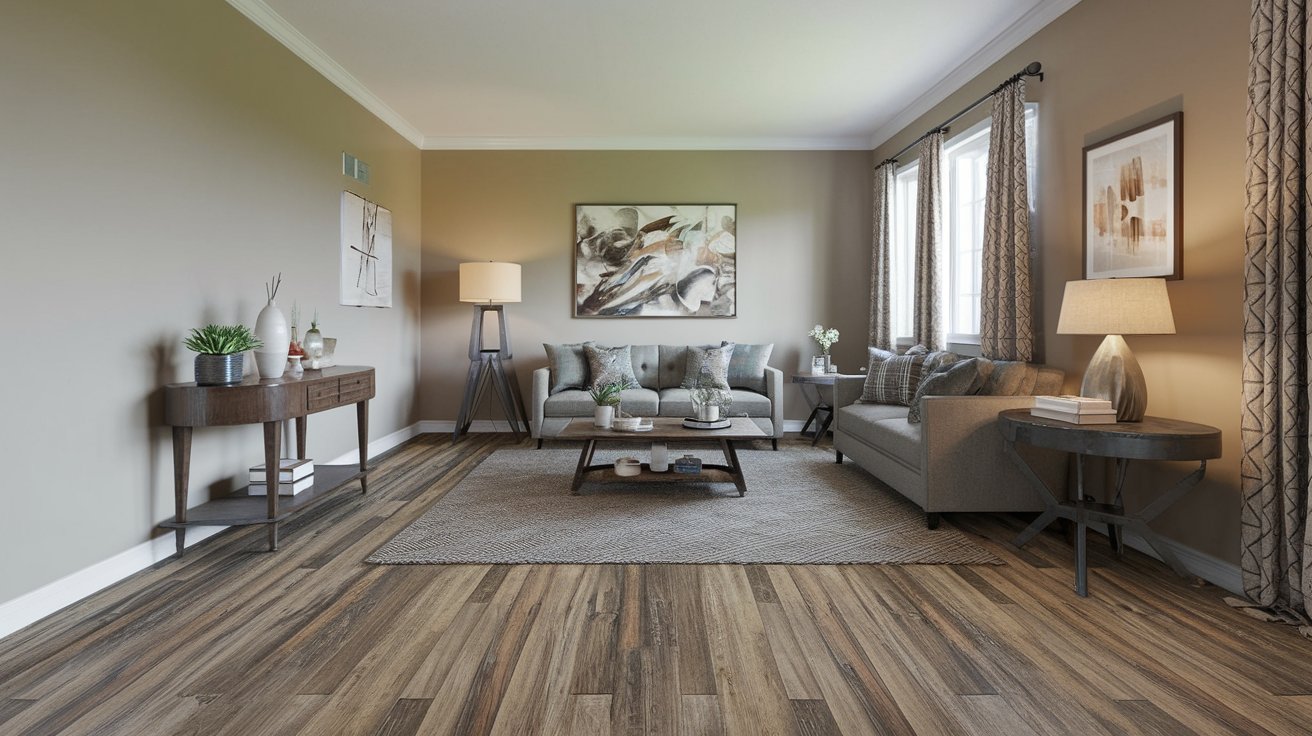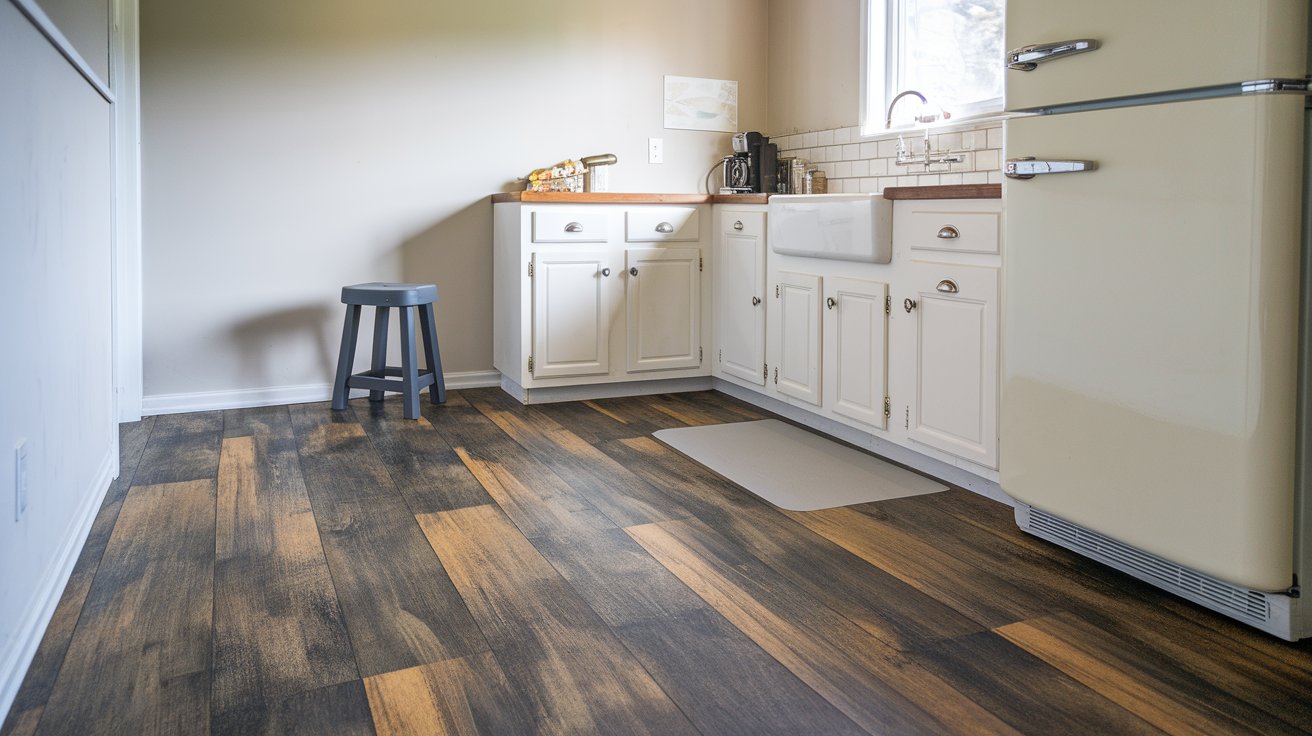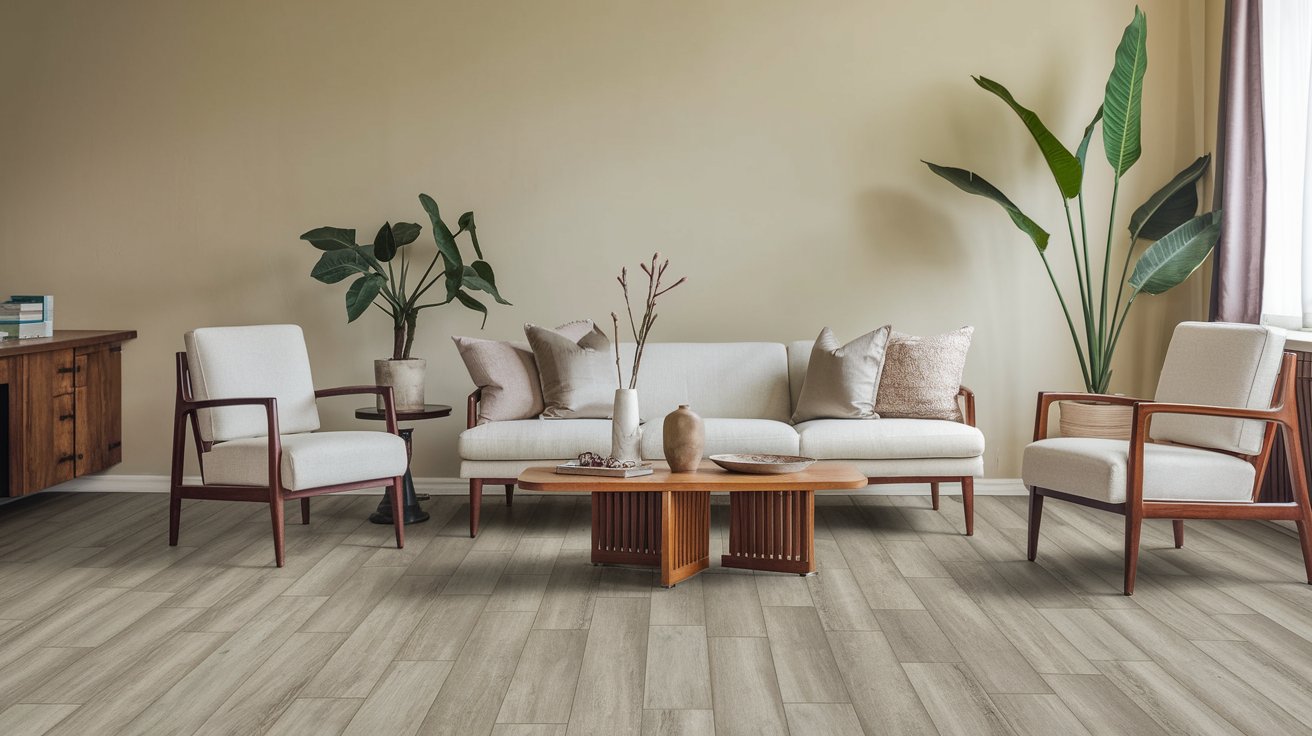
Glue down vinyl plank flooring represents one of the most durable and stable luxury vinyl plank installation methods available in 2026, particularly favored in high-traffic commercial spaces and moisture-prone areas throughout the United States. Unlike floating vinyl floors, this method permanently adheres vinyl planks directly to the subfloor using specialized adhesive, creating an extremely stable surface that minimizes movement, reduces hollow sounds, and provides superior longevity for both residential and commercial applications.
What is Glue Down Vinyl Plank Flooring
Glue down vinyl plank flooring is an installation method where individual vinyl planks are permanently bonded to the subfloor using specialized adhesive products designed specifically for LVP flooring. This technique creates a permanent, stable floor surface that does not shift or move over time, making it ideal for areas with heavy furniture, commercial foot traffic, or environments requiring maximum stability. In 2026, manufacturers across the United States offer glue down vinyl products ranging from 2mm to 5mm thickness, with wear layers between 12 mil and 30 mil for various durability requirements.
The adhesive used in modern glue down vinyl plank flooring installations has evolved significantly, with pressure-sensitive adhesives becoming the industry standard in the US market. These adhesives allow for easier plank repositioning during installation and emit minimal volatile organic compounds, meeting strict 2026 indoor air quality standards. The permanent bond created between planks and subfloor eliminates the hollow sound often associated with floating vinyl floors, while providing superior resistance to temperature fluctuations and humidity changes common in various US climate zones.
Glue Down vs Floating Vinyl Plank Flooring
Understanding the fundamental differences between glue down and floating vinyl plank flooring is essential for making an informed decision in 2026. Floating LVP uses a click-lock system that allows planks to interlock without adhesive, resting on an underlayment over the subfloor. In contrast, glue down vinyl creates a permanent installation that bonds directly to the substrate, offering distinct advantages in stability and acoustics but requiring more intensive installation labor and subfloor preparation.
Installation Complexity and Time Requirements
Glue down vinyl plank flooring installation typically requires 30-50% more time than floating methods, with professional installers in the United States charging between $3.50 and $7.00 per square foot for labor in 2026, compared to $2.00-$4.00 for floating installations. The process demands meticulous subfloor preparation, including grinding high spots, filling low areas with leveling compound, and ensuring the surface is completely clean and dry. Glued installations also require 24-48 hours of cure time before the floor can handle traffic, whereas floating floors are immediately walkable upon completion.
The adhesive application process for glue down vinyl requires specific trowel notch sizes depending on plank thickness and manufacturer specifications, with most residential applications using 1/16-inch square-notch trowels. Professional installers must work in manageable sections to prevent adhesive skinning, typically spreading enough adhesive for 15-20 minutes of working time. Despite the additional complexity, glue down installations create a superior bond that eliminates the expansion gaps required around perimeters with floating systems, allowing for cleaner transitions and edge details.
Performance in High-Traffic Commercial Spaces
For commercial applications throughout the United States in 2026, glue down vinyl plank flooring remains the preferred choice for spaces experiencing heavy rolling loads, such as hospitals, retail stores, and office buildings. The permanent adhesive bond prevents individual planks from shifting under furniture weight or heavy equipment, eliminating the potential for click-lock failure that can occur with floating LVP in demanding environments. Commercial-grade glue down vinyl installations regularly handle foot traffic exceeding 5,000 people daily while maintaining structural integrity for 15-20 years when properly maintained.
Testing data from 2026 demonstrates that glue down installations withstand rolling chair loads up to 350 pounds without indentation or plank separation, compared to floating systems which may show stress at the locking mechanisms under similar conditions. The rigid bond also prevents telegraphing of minor subfloor imperfections, creating a smoother walking surface in commercial environments where appearance and safety are paramount considerations for building owners and facility managers.
Best Glue Down Vinyl Plank Flooring Products in 2026
The best glue down vinyl plank flooring products available in the United States market in 2026 feature enhanced wear layers, realistic embossing technologies, and dimensional stability improvements that address previous generation concerns. Leading manufacturers including Armstrong, Mannington, Tarkett, and Shaw offer glue down vinyl collections specifically engineered for adhesive installation, with products ranging from budget-friendly options at $2.50 per square foot to premium selections exceeding $8.00 per square foot before installation costs.
Top-rated glue down vinyl plank flooring products in 2026 incorporate fiberglass backing layers that enhance dimensional stability and reduce expansion/contraction by up to 65% compared to standard vinyl composition. Premium collections feature 20 mil or thicker wear layers with ceramic bead coatings that provide superior scratch resistance, maintaining appearance in high-traffic areas for 10-15 years. Advanced printing technologies create visuals virtually indistinguishable from natural hardwood and stone, with plank widths now available up to 9 inches and lengths extending to 72 inches for more realistic installations with fewer seams.
Glue Down Vinyl Plank Flooring on Concrete
Installing glue down vinyl plank flooring on concrete substrates represents the most common application in both residential basements and commercial spaces throughout the United States. Concrete provides an ideal substrate for glued vinyl installations when properly prepared, offering superior stability and moisture resistance compared to wood subfloors. However, 2026 installation protocols require rigorous concrete testing and preparation to prevent future adhesion failures and moisture-related problems.
Successful glue down vinyl plank flooring on concrete begins with moisture testing using calcium chloride tests or relative humidity probes, with acceptable readings below 5 pounds per 1,000 square feet per 24 hours or 75% relative humidity respectively. Concrete surfaces must achieve minimum pH levels between 7 and 9, as highly alkaline concrete can degrade adhesives over time. Professional installers in 2026 typically apply concrete primer products that seal the substrate, reduce porosity, and create optimal bonding surfaces for pressure-sensitive adhesives, adding $0.50-$1.25 per square foot to project costs but significantly improving long-term performance.
Subfloor Preparation Requirements
Preparing concrete subfloors for glue down vinyl installation demands achieving flatness tolerances of 3/16 inch over 10 feet, significantly stricter than floating floor requirements. Professional installers use self-leveling compounds, grinding equipment, and patching materials to create acceptably flat surfaces, with preparation costs ranging from $1.50 to $4.00 per square foot depending on existing conditions. The subfloor must be completely free of curing compounds, sealers, paint, or contaminants that prevent proper adhesive bonding, often requiring diamond grinding or shot blasting in renovation projects.
Moisture mitigation represents a critical consideration for concrete installations in 2026, particularly in below-grade applications common in US basements. When moisture readings exceed manufacturer specifications, installers apply moisture barrier systems costing $2.00-$5.00 per square foot that create impermeable layers between concrete and flooring. These systems have evolved to include rapid-cure epoxy formulations that allow same-day vinyl installation, reducing project timelines while ensuring long-term adhesion success in challenging moisture environments.
Temperature and Humidity Considerations
Optimal installation conditions for glue down vinyl plank flooring require maintaining ambient temperatures between 65-85°F and relative humidity between 35-65% for 48 hours before, during, and after installation. These parameters ensure proper adhesive curing and allow vinyl planks to acclimate to their permanent environment, preventing future expansion or contraction issues. In 2026, smart climate monitoring systems help installers track conditions throughout the installation process, with Bluetooth-enabled sensors providing real-time alerts when parameters drift outside acceptable ranges.
Problems with Glue Down Vinyl Plank Flooring
While glue down vinyl plank flooring offers numerous advantages, understanding potential problems helps homeowners and commercial property managers make informed decisions and implement preventive measures. The most common issues reported in the United States in 2026 include adhesive failure due to improper subfloor preparation, telegraphing of substrate imperfections, difficulty in replacing damaged planks, and installation errors that create permanent bonding problems requiring costly remediation.
Adhesive failure represents the primary concern with glue down vinyl, typically manifesting as edge curling, bubbling, or complete plank detachment. These failures almost always trace back to inadequate subfloor preparation, moisture issues, or using incorrect adhesive products for specific vinyl formulations. In 2026, warranty claims data indicates that approximately 3-5% of glue down installations experience some form of adhesive-related problem within the first three years, compared to less than 1% for properly executed installations following manufacturer protocols. Correcting these issues requires removing affected planks, re-preparing substrates, and reinstalling with appropriate materials at costs ranging from $8.00 to $15.00 per square foot.
Replacement and Repair Challenges
Replacing individual damaged planks in glue down vinyl plank flooring installations presents significantly greater challenges than floating systems, where planks simply unlock and separate. Damaged glued planks require careful cutting and removal using heat guns, scrapers, and specialized tools to avoid damaging surrounding materials. The adhesive residue must be completely removed from the subfloor, new adhesive applied, and replacement planks carefully fitted and secured, with professional repair costs typically ranging from $150 to $400 per plank in 2026 US markets.
Color and pattern matching poses additional complications for repairs, as vinyl flooring products may be discontinued or exhibit production variations between manufacturing runs. Experienced installers recommend purchasing 10-15% excess material during initial installation and storing unopened boxes in climate-controlled areas for future repairs. Some manufacturers now offer repair kits specifically designed for glue down vinyl, including pre-measured adhesive packets and detailed instructions, though professional installation still yields superior results in most circumstances.
Cost Considerations and Long-Term Value
The total installed cost of glue down vinyl plank flooring in 2026 ranges from $6.00 to $15.00 per square foot throughout the United States, depending on product quality, subfloor conditions, and regional labor rates. While this represents a 40-60% premium over floating LVP installations, the investment delivers superior longevity, reduced maintenance, and better performance in demanding applications. Commercial property owners typically realize return on investment within 7-10 years through reduced replacement frequency and lower maintenance costs compared to alternative flooring types.
Glue Down Vinyl Plank Flooring Reviews and Performance Data
Comprehensive glue down vinyl plank flooring reviews from 2026 indicate overall satisfaction ratings averaging 4.3 out of 5 stars across major retail and contractor platforms in the United States. Positive feedback consistently highlights the solid feel underfoot, minimal acoustic transmission, and exceptional durability in high-traffic areas. Critical reviews predominantly focus on installation complexity, higher costs compared to floating alternatives, and challenges with future remodeling or removal when homeowners desire different flooring options.
Performance testing conducted by independent laboratories in 2026 demonstrates that quality glue down vinyl products withstand 25,000+ cycles on Taber abrasion tests while maintaining visual appearance, significantly exceeding industry minimums. Impact resistance measurements show that properly installed glued planks absorb and distribute impact forces more effectively than floating systems, reducing visible indentation from dropped objects by approximately 35%. Long-term wear studies tracking installations over 10+ years confirm that glue down methods maintain structural integrity and appearance longer than click-lock alternatives in equivalent use conditions, particularly in commercial environments experiencing constant foot traffic and equipment movement.
Acoustic Performance and Sound Transmission
One significant advantage of glue down vinyl plank flooring involves superior acoustic performance compared to floating installations. The direct adhesive bond eliminates the hollow drumming sound common with floating floors, creating a solid walking experience that more closely mimics traditional hardwood or tile installations. Impact Insulation Class (IIC) ratings for glue down vinyl over concrete substrates typically range from 55-65, meeting most building code requirements without additional underlayment in the United States.
For multi-story residential and commercial buildings where sound transmission concerns neighbors or adjacent spaces, glue down installations paired with specialized acoustic underlayments achieve IIC ratings exceeding 70, representing premium sound control. These underlayment products, costing an additional $0.75-$2.00 per square foot in 2026, integrate with pressure-sensitive adhesives to maintain the stability benefits of glue down methods while dramatically reducing both impact and airborne sound transmission. Building owners in urban areas with strict noise ordinances increasingly specify glued vinyl plank installations for this reason, particularly in luxury multifamily developments and professional office environments.
Environmental Considerations and Indoor Air Quality
Modern glue down vinyl plank flooring products and adhesives have evolved substantially regarding environmental impact and indoor air quality, with 2026 formulations meeting stringent FloorScore and GREENGUARD Gold certification standards throughout the United States. Low-VOC pressure-sensitive adhesives now dominate the market, emitting minimal odors during and after installation while providing excellent long-term bonding strength. Premium vinyl plank products incorporate recycled content ranging from 15-30% and qualify for LEED points in commercial construction projects seeking environmental certifications.
Phthalate-free formulations represent standard practice among reputable manufacturers in 2026, addressing previous health concerns associated with older vinyl flooring products. The permanent installation nature of glue down methods actually provides environmental advantages over floating systems by eliminating plastic underlayment requirements and reducing packaging waste from click-lock mechanisms. End-of-life considerations show that glued vinyl planks can be mechanically separated from adhesives and recycled through specialized programs now available in major US metropolitan areas, though removal complexity means fewer consumers pursue this option compared to simpler floating floor disassembly.
Maintenance and Cleaning Best Practices
Maintaining glue down vinyl plank flooring requires minimal effort while delivering excellent long-term appearance retention when following manufacturer-recommended protocols. Daily maintenance involves dry dust mopping or vacuuming with soft brush attachments to remove abrasive particles that could scratch wear layers over time. Weekly damp mopping with pH-neutral cleaners specifically formulated for LVP flooring removes residues and maintains the protective coating integrity, with most households spending less than 10 minutes per 1,000 square feet on regular cleaning activities.
The permanent adhesive bond in glue down installations provides advantages for deep cleaning procedures, as the secured planks withstand auto-scrubber equipment and extraction cleaning methods common in commercial environments. Unlike floating floors where excessive moisture can seep between planks and damage click-lock mechanisms or substrates, properly installed glued vinyl creates a moisture-resistant barrier when seams are adequately compressed. Professional maintenance services in 2026 recommend periodic application of manufacturer-approved polish products every 12-18 months to refresh appearance and provide additional protective layers, extending the viable life of vinyl plank flooring installations by 3-5 years in high-traffic commercial applications.
Stain Resistance and Damage Prevention
Quality glue down vinyl plank flooring products feature polyurethane wear layers with ceramic or aluminum oxide coatings that resist staining from common household substances including wine, coffee, pet accidents, and cooking oils. Testing protocols in 2026 involve exposing samples to various staining agents for 24 hours, with premium products showing no discoloration or surface etching. The wear layer thickness directly correlates with long-term stain resistance, with commercial-grade vinyl featuring 20-30 mil layers providing superior protection compared to residential products with 12-15 mil coatings.
Preventing damage to glue down vinyl installations primarily involves using appropriate floor protectors under furniture legs, maintaining consistent humidity levels between 35-65%, and immediately cleaning spills before moisture penetrates seams. Heavy furniture should utilize wide floor protectors distributing weight over larger surface areas, with minimum recommendations of 1 square inch of protector per 100 pounds of furniture weight. These simple preventive measures, combined with the inherent durability of properly installed glued planks, enable residential installations to maintain like-new appearance for 15-20 years and commercial installations to perform effectively for 10-15 years before replacement becomes necessary.
Thickness Options and Design Selection
Glue down vinyl plank flooring products in 2026 offer thickness options ranging from 2mm to 5mm, with the majority of residential installations utilizing 3mm products that balance cost, performance, and installation ease. Thicker planks provide enhanced indentation resistance and improved feel underfoot but require perfectly flat subfloors to prevent stress points that could cause adhesive failure. Commercial applications typically specify 3.2mm to 4mm products with enhanced wear layers and fiberglass backing layers that provide superior dimensional stability under varying temperature and humidity conditions common in US commercial buildings.
Design options for glue down vinyl have expanded dramatically, with 2026 collections offering over 500 distinct visual patterns ranging from realistic hardwood replications to contemporary concrete and stone aesthetics. Advanced printing technologies create grain patterns, knots, and color variations that closely mimic natural materials, while embossing techniques ensure texture aligns precisely with printed visuals for authentic appearance. Plank dimensions now include narrow 4-inch widths for traditional looks, standard 6-7 inch widths for balanced installations, and wide 9-inch planks creating modern aesthetics with fewer seams, all available in lengths from 36 to 72 inches accommodating various installation patterns and room configurations.
Related video about glue down vinyl plank flooring
This video complements the article information with a practical visual demonstration.
Your questions answered
Is glue down vinyl plank flooring good for residential homes?
Glue down vinyl plank flooring performs exceptionally well in residential applications, particularly in moisture-prone areas like basements, kitchens, and bathrooms where the permanent adhesive bond provides superior water resistance compared to floating alternatives. The installation creates a solid, quiet surface that eliminates hollow sounds and withstands heavy furniture without shifting. While installation costs run 40-60% higher than click-lock systems, residential homeowners in 2026 typically enjoy 15-20 years of maintenance-free performance with proper installation and care, making it an excellent long-term investment for quality-focused renovations.
Which is better, glue down LVP or floating vinyl plank?
The choice between glue down LVP and floating vinyl plank depends on specific application requirements and priorities. Glue down methods excel in commercial spaces, high-traffic areas, and installations over concrete where maximum stability and acoustic performance matter most, though they cost more and complicate future changes. Floating LVP offers easier DIY installation, lower costs, and simpler future removal, making it preferable for rental properties or homeowners anticipating style changes within 5-10 years. In 2026, industry experts recommend glue down for permanent installations prioritizing longevity and performance, while floating suits budget-conscious projects or temporary applications.
Should vinyl planks be glued down in all situations?
Vinyl planks do not require gluing in all situations, as modern click-lock floating systems perform adequately in many residential applications. However, specific circumstances strongly favor glue down installation, including commercial environments with heavy rolling traffic, rooms with large expanses exceeding 30 feet in any direction where expansion gaps become problematic, installations over radiant heating systems requiring maximum thermal conductivity, and below-grade applications where moisture control is critical. Professional installers in 2026 typically recommend glued installations when long-term performance and minimal maintenance outweigh the higher upfront costs and installation complexity.
Is glue down vinyl more expensive than floating installation?
Glue down vinyl installation costs substantially more than floating methods, with 2026 pricing in the United States ranging from $6.00-$15.00 per square foot installed compared to $4.00-$9.00 for click-lock systems. The price difference reflects more intensive subfloor preparation requirements, specialized adhesive materials costing $0.40-$0.80 per square foot, increased labor time, and higher skill levels needed for proper installation. However, the long-term value proposition often favors glue down for permanent installations, as the superior durability, reduced maintenance needs, and extended lifespan can offset initial cost premiums over 15-20 year periods, particularly in commercial applications where replacement disruptions carry significant business costs.
What are common problems with glue down vinyl plank flooring?
Common problems with glue down vinyl plank flooring include adhesive failure from improper subfloor preparation or moisture issues, edge curling when adhesive spreads unevenly, telegraphing of substrate imperfections through thin planks, and installation errors creating permanent bonding defects. In 2026, approximately 3-5% of installations experience issues within three years, nearly always traceable to shortcuts in preparation or using incorrect materials. Proper moisture testing, achieving flatness tolerances within 3/16 inch over 10 feet, using manufacturer-specified adhesives, and hiring experienced installers virtually eliminate these problems, with professionally installed systems regularly performing flawlessly for 15-20 years in residential settings and 10-15 years in demanding commercial environments.
Can glue down vinyl plank flooring be installed over existing floors?
Glue down vinyl plank flooring can be installed over certain existing floors when they meet specific criteria, though direct installation over properly prepared concrete or wood substrates typically yields superior results. Acceptable existing surfaces include well-bonded sheet vinyl, non-cushioned vinyl tile, and ceramic tile with filled grout lines, provided surfaces are smooth, clean, and structurally sound. However, installation over existing flooring adds height that may create transition issues with adjacent rooms and doors. Most professional installers in 2026 recommend removing old flooring to inspect substrates for hidden moisture or structural problems, with removal costs of $1.00-$3.00 per square foot often justified by improved long-term performance and warranty protection.
| Installation Aspect | Glue Down Specifications | Key Advantage |
|---|---|---|
| Installation Cost (2026) | $6.00-$15.00 per sq ft installed | Superior long-term value in high-traffic areas |
| Lifespan | 15-20 years residential, 10-15 commercial | Outlasts floating systems by 30-50% |
| Thickness Options | 2mm-5mm with wear layers 12-30 mil | Customizable for specific performance needs |
| Subfloor Requirements | Flatness within 3/16 inch over 10 feet | Creates perfectly smooth finished surface |
| Acoustic Performance | IIC ratings 55-70 depending on underlayment | Eliminates hollow sound, reduces transmission |
| Best Applications | Commercial spaces, basements, permanent installations | Maximum stability under demanding conditions |