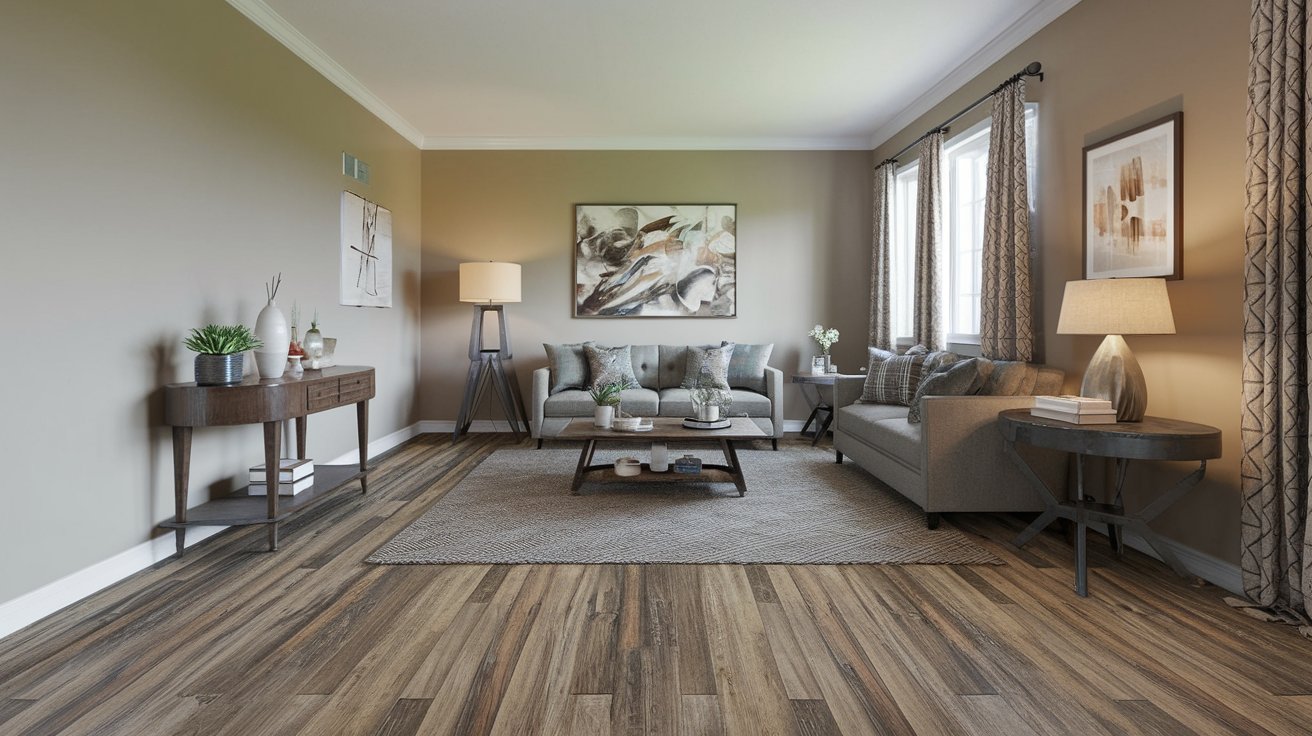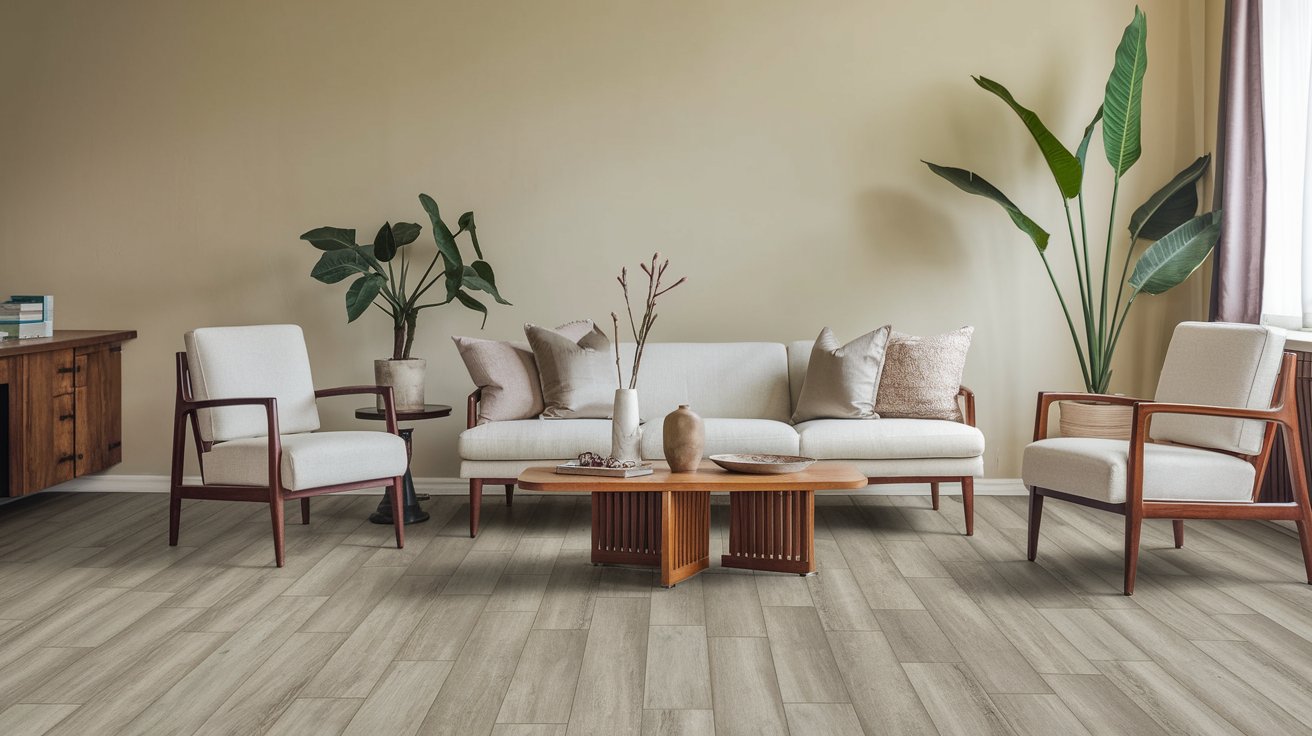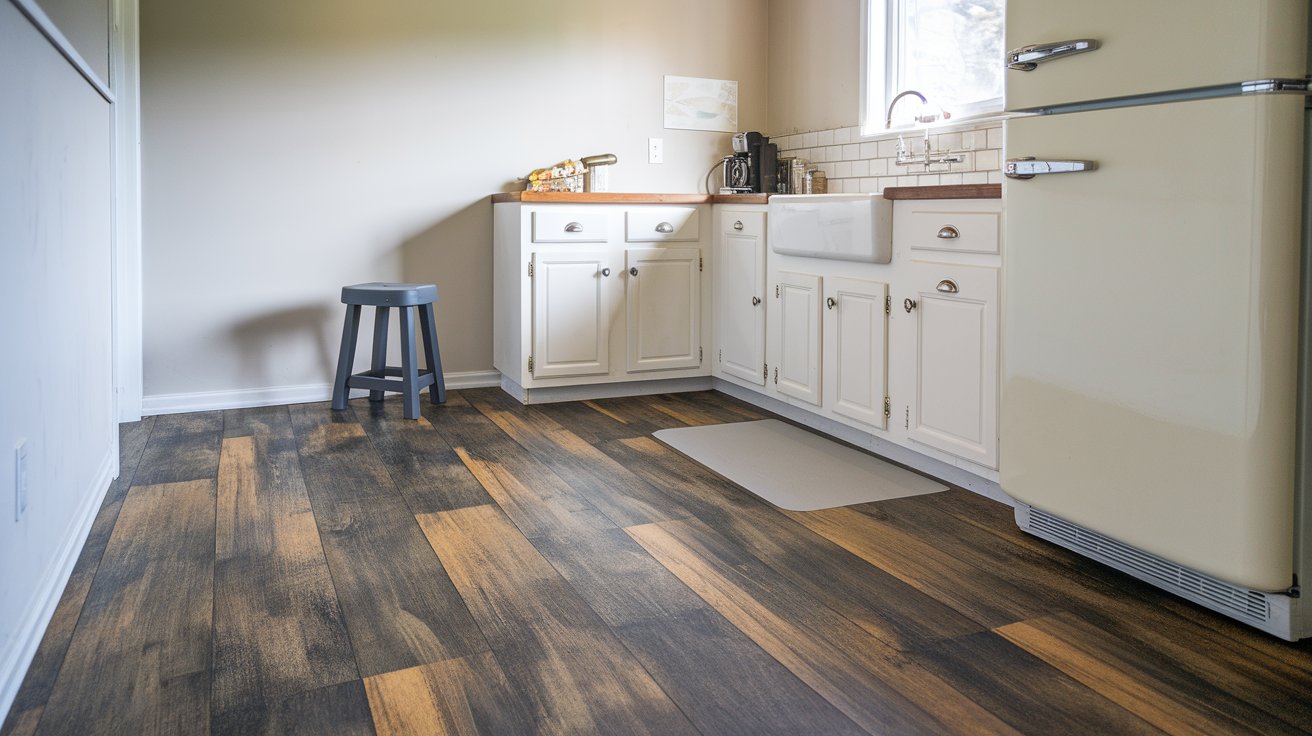
Waterproof vinyl plank flooring has become the fastest-growing flooring choice in the United States, with market penetration increasing 47% since 2023. This revolutionary flooring combines authentic wood aesthetics with complete water resistance, making it ideal for every room including bathrooms, basements, and kitchens. Unlike traditional hardwood or laminate, waterproof vinyl planks feature a 100% waterproof core that prevents warping, swelling, and moisture damage while delivering exceptional durability for busy American households.
What Is Waterproof Vinyl Plank Flooring and How Does It Work?
Waterproof vinyl plank flooring represents advanced engineering with multiple protective layers designed to withstand complete water exposure. The core construction typically includes a rigid SPC (Stone Plastic Composite) or WPC (Wood Plastic Composite) base that remains dimensionally stable even when submerged. Unlike water-resistant alternatives, true waterproof vinyl flooring can handle standing water for extended periods without degradation. The typical construction includes a UV-coated wear layer, photographic design layer, waterproof core, and attached underlayment pad.
In 2026, waterproof vinyl plank technology incorporates antimicrobial treatments, enhanced scratch resistance rated up to AC5 commercial grade, and improved locking mechanisms that create watertight seals between planks. The protective wear layer now ranges from 12 mil to 30 mil thickness, with residential installations typically featuring 20 mil protection. This multi-layer construction provides both surface protection and complete moisture barrier, explaining why waterproof vinyl planks carry warranties extending 25 years to lifetime coverage across major American manufacturers.
Waterproof Vinyl Plank Flooring Thickness Options
Understanding waterproof vinyl plank flooring thickness proves critical for selecting appropriate products for your specific application. Standard thickness ranges from 4mm to 8mm, with premium options reaching 12mm including attached underlayment. Thicker planks generally provide better sound dampening, improved dent resistance, and more realistic texture profiles that closely mimic natural hardwood grain patterns.
Standard Thickness Categories for Residential Use
The 4mm to 5mm thickness category represents entry-level waterproof vinyl suitable for low-traffic areas and budget-conscious installations. These thinner planks work well in bedrooms and closets but may show indentations from heavy furniture. The 5mm to 6.5mm range serves as the sweet spot for most American homes, balancing affordability with durability for living rooms, dining areas, and hallways. Premium 7mm to 8mm waterproof vinyl planks deliver commercial-grade performance with enhanced acoustic properties, making them ideal for multi-story homes, condos, and high-traffic spaces including kitchens and family rooms.
How Thickness Impacts Performance and Cost
Increased waterproof vinyl plank thickness directly correlates with foot comfort, noise reduction, and longevity. Testing data from 2026 shows that 8mm planks reduce impact noise by 18-22 decibels compared to 4mm options, significantly improving acoustic comfort in apartments and multi-level homes. Thicker constructions also accommodate deeper embossing and texture registration, creating more authentic wood replication. Cost differences typically range from $2.50 per square foot for 4mm products to $5.50-$7.00 per square foot for premium 8mm waterproof vinyl flooring, though bulk purchasing and seasonal sales can reduce prices by 25-35%.
Is Waterproof Vinyl Plank Flooring Good for Your Home?
The question of whether waterproof vinyl plank flooring is good depends on your specific needs, lifestyle, and expectations. For 89% of American homeowners surveyed in 2026, waterproof vinyl delivers exceptional value by combining aesthetic appeal, practical functionality, and reasonable pricing. This flooring excels in moisture-prone environments where hardwood fails, including bathrooms, laundry rooms, basements, and mudrooms. The complete waterproof protection means spills, pet accidents, and humidity cause zero damage when promptly addressed.
Waterproof vinyl planks particularly shine for families with children, pet owners, and active households because of superior scratch resistance and easy maintenance requirements. Unlike hardwood requiring periodic refinishing or tile demanding grout maintenance, vinyl planks need only regular sweeping and occasional damp mopping. The installation flexibility supporting DIY projects, compatibility with radiant heating systems, and wide design variety spanning farmhouse rustic to contemporary gray tones make waterproof vinyl flooring adaptable to virtually any interior design scheme across American homes.
Negatives and Limitations of Vinyl Plank Flooring
Understanding the negatives to vinyl plank flooring ensures realistic expectations and informed purchasing decisions. While waterproof vinyl offers numerous advantages, several limitations deserve consideration before installation. The primary concerns include potential off-gassing during initial installation, susceptibility to fading in direct sunlight exposure, and lower resale value perception compared to genuine hardwood flooring in certain real estate markets.
Environmental and Health Considerations
Some waterproof vinyl plank flooring products contain phthalates and volatile organic compounds that may off-gas initially, though 2026 regulations require low-VOC certification for products sold in California and increasingly throughout the United States. Quality manufacturers now offer phthalate-free formulations meeting FloorScore and GreenGuard Gold certifications. The synthetic nature of vinyl means it’s not biodegradable, creating disposal concerns at end-of-life. However, recycling programs have expanded with several manufacturers accepting old vinyl flooring for reprocessing into new products, addressing sustainability concerns for environmentally conscious consumers.
Performance Limitations in Specific Scenarios
Despite waterproof properties, vinyl plank flooring can experience issues with extreme temperature fluctuations, potentially expanding or contracting if installation doesn’t include proper expansion gaps. Sharp objects like dropped knives or dragged appliances can gouge the surface despite wear layer protection. The photographic design layer, while increasingly sophisticated, cannot fully replicate the depth and variation of authentic wood grain, potentially disappointing purists seeking genuine hardwood aesthetics. Additionally, waterproof vinyl flooring feels noticeably different underfoot compared to solid wood, lacking the authentic density and temperature characteristics that some homeowners prefer.
Waterproof Laminate vs Vinyl Plank Flooring Comparison
The debate between waterproof laminate or vinyl plank confuses many shoppers because both offer moisture resistance and wood-like appearances. The fundamental difference lies in construction: waterproof laminate uses a high-density fiberboard core treated with water-resistant resins, while vinyl features a completely synthetic waterproof core. True waterproof vinyl plank flooring can withstand prolonged water exposure including submersion, whereas waterproof laminate resists surface moisture but may fail with standing water penetrating seams over extended periods.
In 2026 United States market analysis, vinyl plank flooring dominates bathroom and basement installations due to superior water protection, capturing 73% of moisture-prone room installations. Waterproof laminate appeals to consumers prioritizing a more authentic hardwood feel underfoot and slightly firmer surface density. Cost comparison shows waterproof laminate averaging $3.00-$5.00 per square foot versus $2.50-$7.00 for waterproof vinyl planks, with significant overlap depending on quality tier. Installation difficulty remains comparable, with both supporting floating floor applications, though vinyl offers greater flexibility on uneven subfloors due to its more forgiving nature.
Best Waterproof Vinyl Plank Flooring Brands in 2026
Identifying the best waterproof vinyl plank flooring requires evaluating warranty coverage, wear layer thickness, core construction quality, and customer satisfaction ratings. In 2026, premium American market leaders include COREtec, known for pioneering rigid core technology with lifetime residential warranties; LifeProof, offering exceptional value through Home Depot exclusivity with 8.7mm thickness and attached cork underlayment; and Shaw Floors, delivering commercial-grade options with antimicrobial protection and 30-year warranties.
Mid-range excellence comes from TrafficMaster and Mohawk SmartCore, both providing waterproof vinyl plank flooring with 20 mil wear layers at competitive $3.00-$4.50 per square foot pricing. Luxury tier brands including Mannington Adura Max and Armstrong Vivero feature revolutionary construction with 100% virgin vinyl, enhanced embossing registration technology, and industry-leading scratch resistance. Consumer Reports 2026 testing awarded top ratings to COREtec Plus Enhanced for overall performance, LifeProof for value proposition, and Shaw Endura 512C Plus for commercial applications. When selecting the best waterproof vinyl flooring, prioritize brands offering comprehensive warranties, readily available replacement planks, and established customer service networks throughout the United States.
Waterproof Vinyl Plank Flooring Installation Methods
Proper waterproof vinyl plank flooring installation determines long-term performance and warranty validity. Three primary installation methods dominate the market: floating floor with click-lock systems, glue-down applications, and loose-lay friction-fit options. The floating floor approach represents 81% of residential installations in 2026, offering DIY-friendly installation without adhesives. Click-lock mechanisms have evolved to include angle-tap, drop-lock, and fold-and-lock systems that create watertight seals when properly engaged.
DIY Installation vs Professional Services
Many homeowners successfully install waterproof vinyl plank flooring themselves, saving $2.00-$4.00 per square foot in labor costs. Basic tool requirements include a utility knife, straight edge, tapping block, and pull bar, with total tool investment under $75 for quality equipment. Average DIY installation speed ranges from 100-150 square feet per day for beginners to 300-400 square feet for experienced installers. However, professional installation ensures proper subfloor preparation, accurate expansion gap spacing, and correct acclimation procedures. Complex layouts with multiple doorways, diagonal patterns, or subfloor irregularities justify professional services costing $1.50-$3.50 per square foot across most United States markets in 2026.
Critical Installation Steps for Success
Successful waterproof vinyl plank installation begins with proper subfloor preparation, requiring clean, level surfaces with variations under 3/16 inch over 10 feet. Concrete subfloors need moisture testing with calcium chloride tests confirming emissions below manufacturer specifications, typically under 5 pounds per 1,000 square feet per 24 hours. Acclimation remains crucial despite waterproof properties, with planks requiring 48 hours in installation environment maintaining 65-85°F temperatures. Expansion gaps of 1/4 inch around all vertical obstructions prevent buckling from thermal expansion. The waterproof vinyl flooring should be installed perpendicular to floor joists in wood subfloor applications, with staggered seams maintaining 6-inch minimum offsets between adjacent row end joints for structural stability and visual appeal.
Waterproof Vinyl Plank Flooring Cost Analysis for 2026
Understanding waterproof vinyl plank flooring cost requires examining material pricing, installation expenses, and long-term value proposition. In 2026, material costs range dramatically from budget options at $1.75 per square foot to luxury products exceeding $8.00 per square foot. The average American homeowner installing quality mid-range waterproof vinyl planks invests $3.50-$4.50 per square foot for materials, translating to $2,100-$2,700 for a typical 600 square foot installation area.
Additional cost factors include underlayment if not pre-attached, ranging $0.50-$1.25 per square foot; subfloor preparation averaging $1.00-$2.50 per square foot for leveling compound or moisture barriers; and transition moldings costing $15-$45 per piece depending on finish quality. Professional installation adds $1.50-$3.50 per square foot in most United States markets, bringing total installed cost for quality waterproof vinyl plank flooring to $5.50-$8.50 per square foot. However, sales events at major retailers including Costco, Home Depot, and Lowe’s frequently offer 20-40% discounts, with waterproof vinyl plank flooring Costco memberships accessing exclusive bulk pricing reducing per-square-foot costs significantly.
Best Applications for Waterproof Vinyl Plank Flooring
Waterproof vinyl plank flooring for bathroom installations represents one of the most popular applications, replacing traditional ceramic tile in 34% of bathroom renovations according to 2026 remodeling data. The complete moisture protection handles shower splash, humidity, and standing water without warping or mold growth. The warmer surface temperature compared to tile provides enhanced comfort for bare feet, while slip-resistant textures improve safety in wet conditions.
Basement installations leverage waterproof properties to combat moisture concerns from concrete slabs and potential flooding scenarios. Kitchen applications benefit from spill resistance and easy cleanup, with waterproof vinyl planks resisting damage from dropped cookware and standing water around sinks. Mudrooms, laundry rooms, and entryways experience heavy traffic and moisture exposure, making waterproof vinyl ideal for these transitional spaces. Even master bedrooms and living rooms increasingly feature waterproof vinyl plank flooring as homeowners appreciate universal moisture protection, pet-friendly durability, and design flexibility spanning traditional oak to contemporary gray wash finishes suitable for any interior style throughout American homes.
Maintenance and Long-Term Care Requirements
Maintaining waterproof vinyl plank flooring requires minimal effort compared to hardwood or tile alternatives. Daily maintenance involves sweeping or vacuuming with soft brush attachments to remove dirt and debris that could scratch the surface. Weekly damp mopping with pH-neutral vinyl floor cleaners preserves the protective wear layer without leaving residue buildup. Avoid harsh chemicals including ammonia, bleach, or abrasive cleaners that can damage the UV coating and dull the finish over time.
Protective measures extend waterproof vinyl flooring lifespan significantly. Use felt pads under furniture legs to prevent indentations, place mats at exterior entrances to trap tracked-in grit, and maintain consistent indoor temperatures between 65-85°F to minimize expansion-contraction cycles. While waterproof, prompt cleanup of spills prevents potential staining from strongly colored liquids like red wine or coffee. Periodic application of vinyl floor polish restores shine to high-traffic areas, though modern wear layers often maintain appearance for years without additional treatments. Expected lifespan for quality waterproof vinyl plank flooring ranges 15-25 years with proper care, with some premium products delivering 30+ years of service in residential applications across the United States.
Shopping for Waterproof Vinyl Plank Flooring Sales
Strategic timing when purchasing waterproof vinyl plank flooring can yield substantial savings. Major sales events occur during Memorial Day, Labor Day, and Black Friday weekends, with retailers offering 25-45% discounts on premium brands. January clearance sales move discontinued styles at deep discounts, though color and texture selection becomes limited. Spring renovation season from March through May features competitive pricing as retailers compete for contractor and DIY business.
Warehouse clubs including Costco waterproof vinyl plank flooring selections provide year-round value through bulk purchasing models, typically pricing 15-30% below traditional retail. However, selection rotates frequently with limited color options compared to specialty flooring stores. Big box retailers like Home Depot and Lowe’s price-match competitors and offer contractor discounts for large-volume purchases exceeding 1,000 square feet. Online retailers including BuildDirect and Lumber Liquidators eliminate showroom overhead, passing savings to consumers while providing free samples for color verification. When shopping waterproof vinyl plank flooring sales, verify warranty terms remain unchanged, confirm sufficient inventory for your project including 10% overage, and calculate total installed cost including underlayment, transitions, and installation supplies for accurate budget comparison.
Related video about waterproof vinyl plank flooring
This video complements the article information with a practical visual demonstration.
Everything you need to know about waterproof vinyl plank flooring
Is waterproof vinyl plank flooring good for bathrooms and high-moisture areas?
Waterproof vinyl plank flooring excels in bathrooms and high-moisture environments because the 100% waterproof core construction prevents water damage, warping, and mold growth. Unlike traditional hardwood or water-resistant laminate, true waterproof vinyl can handle standing water for extended periods. In 2026, bathroom installations account for 34% of waterproof vinyl sales in the United States. The antimicrobial treatments now standard in quality products further protect against bacteria and mildew. Combined with slip-resistant textures and warmer surface temperature compared to tile, waterproof vinyl represents the optimal flooring choice for bathrooms, laundry rooms, mudrooms, and basements throughout American homes.
What are the main negatives to vinyl plank flooring I should know?
The primary negatives to vinyl plank flooring include potential off-gassing from VOCs during initial installation, susceptibility to fading in direct sunlight exposure, and lower perceived resale value compared to genuine hardwood in some markets. Sharp objects can gouge the surface despite wear layer protection, and the synthetic nature means it lacks the authentic feel and temperature characteristics of real wood. Some products contain phthalates, though 2026 regulations increasingly require phthalate-free formulations. The photographic design layer cannot fully replicate natural wood grain depth and variation. Additionally, vinyl is not biodegradable, creating environmental disposal concerns. However, quality products with proper certifications and installation largely mitigate these concerns for most American homeowners.
Which is better, waterproof laminate or vinyl plank flooring?
Waterproof vinyl plank flooring proves superior for true moisture protection because the completely synthetic core can withstand prolonged water exposure including submersion without damage. Waterproof laminate uses treated fiberboard that resists surface moisture but may fail with standing water penetrating seams over time. In 2026, vinyl captures 73% of bathroom and basement installations in the United States market. Vinyl offers greater flexibility on uneven subfloors and typically costs $2.50-$7.00 per square foot compared to $3.00-$5.00 for waterproof laminate. However, laminate provides a slightly more authentic hardwood feel underfoot and firmer surface density. For moisture-prone areas, vinyl represents the better choice, while laminate may appeal to those prioritizing authentic hardwood characteristics in dry environments.
What is the best waterproof vinyl plank flooring brand available in 2026?
The best waterproof vinyl plank flooring brands in 2026 include COREtec for pioneering rigid core technology with lifetime residential warranties, LifeProof for exceptional value with 8.7mm thickness and attached cork underlayment available through Home Depot, and Shaw Floors for commercial-grade options with antimicrobial protection. Consumer Reports 2026 testing awarded top ratings to COREtec Plus Enhanced for overall performance, LifeProof for value proposition, and Shaw Endura 512C Plus for commercial applications. Mid-range excellence comes from TrafficMaster and Mohawk SmartCore at competitive $3.00-$4.50 per square foot pricing. The best choice depends on your specific needs: COREtec for premium quality, LifeProof for budget-conscious homeowners, and Shaw for commercial-grade durability in high-traffic American homes.
How much does waterproof vinyl plank flooring cost including installation in 2026?
Waterproof vinyl plank flooring cost in 2026 ranges from $5.50-$8.50 per square foot for complete installation including materials and professional labor. Material costs alone average $3.50-$4.50 per square foot for quality mid-range products, with budget options starting at $1.75 and luxury products exceeding $8.00 per square foot. Professional installation adds $1.50-$3.50 per square foot in most United States markets. Additional expenses include underlayment at $0.50-$1.25 per square foot if not pre-attached, subfloor preparation averaging $1.00-$2.50 per square foot, and transition moldings costing $15-$45 per piece. For a typical 600 square foot installation, expect total investment of $3,300-$5,100. DIY installation eliminates labor costs, saving $900-$2,100, while strategic shopping during sales events can reduce material costs by 20-40%.
What thickness of waterproof vinyl plank flooring should I choose?
Waterproof vinyl plank flooring thickness should match your specific application and traffic expectations. The 4mm-5mm range suits low-traffic areas and budget installations, while 5mm-6.5mm represents the optimal choice for most American homes, balancing affordability with durability for living areas and hallways. Premium 7mm-8mm planks deliver commercial-grade performance with enhanced acoustic properties, ideal for multi-story homes, high-traffic spaces, and superior sound dampening. Thicker constructions provide better dent resistance, improved foot comfort, and more realistic textures. In 2026, testing shows 8mm planks reduce impact noise by 18-22 decibels compared to 4mm options. Cost increases from $2.50 per square foot for 4mm to $5.50-$7.00 for 8mm premium products. Most residential installations choose 6mm thickness for optimal performance-to-value ratio throughout American homes.
| Key Aspect | Important Details | Primary Benefit |
|---|---|---|
| Waterproof Protection | 100% waterproof core withstands standing water and humidity | Perfect for bathrooms, basements, kitchens without damage concerns |
| Thickness Options | 4mm-8mm range; 6mm optimal for residential use | Enhanced comfort, noise reduction, and durability with thicker planks |
| Cost Range 2026 | $2.50-$7.00 per sq ft materials; $5.50-$8.50 installed | Affordable compared to hardwood with comparable aesthetics |
| Top Brands | COREtec, LifeProof, Shaw Floors with lifetime warranties | Proven quality and comprehensive warranty protection |
| Installation Method | Floating click-lock systems; DIY-friendly or professional | Save $2-$4 per sq ft with DIY; fast installation process |
| Maintenance | Simple sweeping and damp mopping; no refinishing needed | Minimal upkeep compared to hardwood or tile |
| Lifespan | 15-25 years residential; 30+ years for premium products | Long-term value with proper care and installation |
| Best Sales Timing | Memorial Day, Labor Day, Black Friday; January clearance | Save 25-45% during major promotional events |