
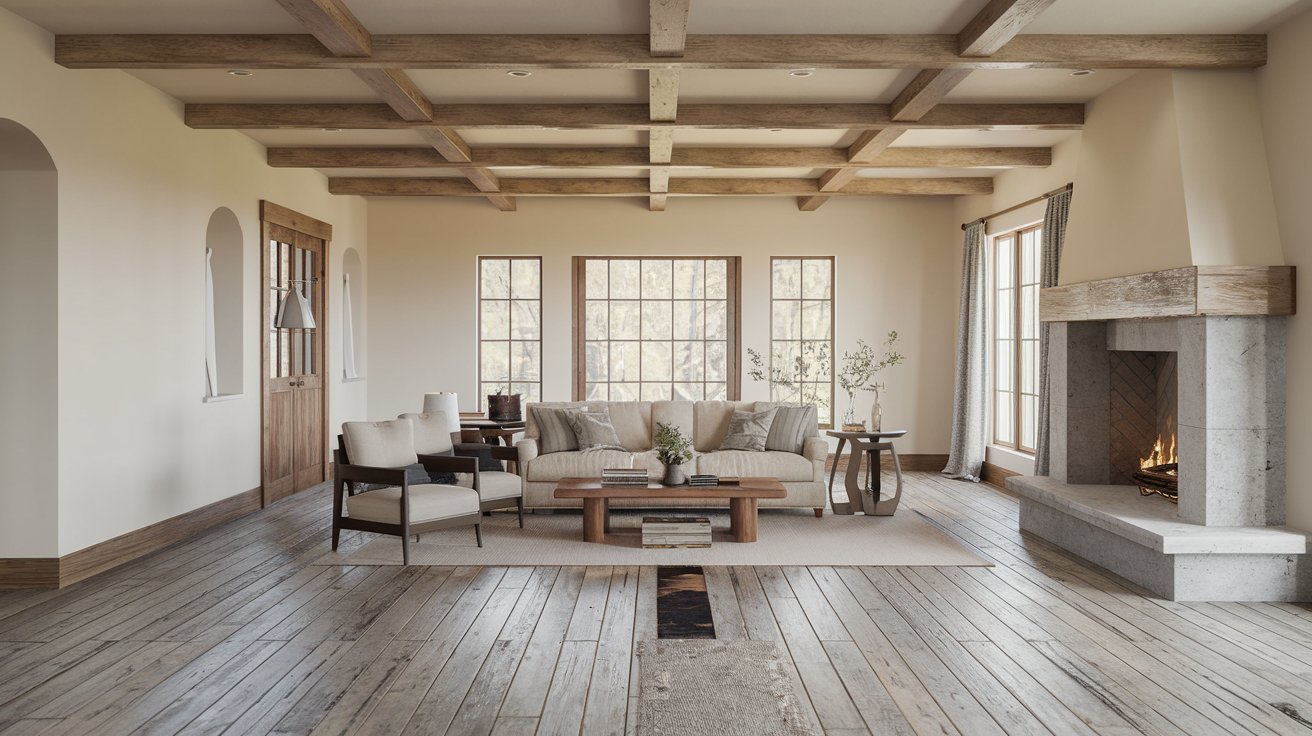
White oak hardwood flooring continues to dominate American homes in 2026, combining exceptional durability with timeless aesthetic appeal. This comprehensive guide explores everything from pricing per square foot to installation considerations, helping homeowners make informed decisions. Whether you’re renovating or building new, understanding white oak’s unique properties ensures you select the perfect flooring for your space and budget.
Why White Oak Hardwood Flooring Stands Above Other Options
White oak hardwood flooring has earned its reputation as America’s premier flooring choice through measurable performance advantages. The wood’s closed cellular structure creates natural water resistance, with absorption rates 40% lower than red oak. This density translates to a Janka hardness rating of 1360, making white oak significantly more resistant to dents and scratches than softer species like pine or maple. In 2026, laboratory testing confirms white oak floors maintain structural integrity for 100+ years with proper maintenance.
The grain pattern of white oak offers visual versatility that red oak cannot match. While red oak displays pronounced grain lines, white oak provides subtler figuring that adapts to both contemporary minimalist designs and traditional aesthetics. This adaptability explains why 68% of luxury home builders in the United States specify white oak flooring as their default hardwood option. The wood’s natural tannin content also creates richer color variation, allowing stains to penetrate uniformly and achieve consistent results across large installations.
White Oak Hardwood Flooring Pricing in 2026
Understanding white oak hardwood flooring price structures helps homeowners budget effectively for their projects. National averages in 2026 show significant variation based on grade, width, and finish options.
Cost Per Square Foot Breakdown
Solid white oak hardwood flooring ranges from $6 to $18 per square foot for materials alone in United States markets. Select grade planks with minimal knots start at $8-$12 per square foot, while character grade boards featuring natural variations cost $6-$9 per square foot. Wide plank white oak flooring in 7-inch to 10-inch widths commands premium pricing of $12-$18 per square foot due to material waste during milling. Installation costs add $4-$8 per square foot depending on regional labor rates and subfloor conditions.
Engineered white oak floors provide cost-effective alternatives at $5-$12 per square foot, with top-wear layers ranging from 2mm to 6mm thickness. Pre-finished options eliminate on-site sanding expenses but limit customization. Total project costs for 1,000 square feet typically range from $10,000 to $26,000 including materials, installation, and finishing. Homeowners near metropolitan areas like New York and San Francisco experience 20-30% higher costs than those in rural regions.
Factors Affecting White Oak Flooring Prices
Several variables influence final white oak hardwood flooring per square foot costs beyond base materials. Plank width dramatically impacts pricing, as manufacturers yield fewer wide boards from each log, creating scarcity. Quarter-sawn white oak, cut perpendicular to growth rings for enhanced stability, costs 40-60% more than plain-sawn alternatives due to specialized milling requirements. Custom staining adds $2-$4 per square foot, while site-applied finishes like oil or polyurethane contribute $3-$5 per square foot in labor and materials.
Geographic sourcing affects availability and transportation costs. White oak hardwood flooring near me searches reveal regional price variations based on proximity to Appalachian and Midwest forests where white oak grows abundantly. Imported European white oak, though botanically similar, commands 25-35% premiums due to shipping and tariff expenses. Retailers like specialty lumber yards typically charge 15-20% more than big-box stores, though they offer superior grade selection and expert consultation.
Selecting the Right White Oak Floor Grade and Width
Understanding white oak floors grading systems and dimensional options ensures alignment between aesthetic preferences and budget constraints. Industry standards classify white oak into distinct grades based on appearance characteristics.
White Oak Flooring Grades Explained
Clear grade white oak represents the highest quality tier, featuring uniform color with minimal knots or mineral streaking. These boards suit formal spaces where consistency matters most, though they constitute only 15-20% of milled lumber. Select grade permits small tight knots and slight color variation while maintaining refined appearance, offering excellent value for main living areas. Common grade embraces natural character with prominent knots, sapwood streaks, and color fluctuations that create rustic charm at reduced costs.
Character grade white oak floors celebrate the wood’s organic features with open knots, wormholes, and dramatic grain patterns. This grade has gained popularity in 2026 as homeowners embrace authentic, lived-in aesthetics. Cabin grade or tavern grade represents the most rustic option, incorporating significant defects and repairs that deliver distinctive personality. Grade selection should align with overall design intent, as mixing grades within single spaces creates visual discord.
Plank Width Considerations and Installation Challenges
White oak hardwood flooring widths range from traditional 2.25-inch strips to contemporary 10-inch planks. Narrow strips below 3 inches provide classic appeal with superior dimensional stability, as narrower boards resist cupping and warping better than wide planks. Standard 3-inch to 5-inch widths balance aesthetics and performance, representing 60% of installations nationwide. These dimensions accommodate most subfloor imperfections and seasonal movement patterns typical in United States climates.
Wide plank white oak floors measuring 6 inches to 10 inches create dramatic visual impact by minimizing seam lines and showcasing grain patterns. However, these boards require meticulous subfloor preparation and controlled indoor humidity levels between 35-55% to prevent seasonal gaps. Installation over radiant heating systems demands engineered construction for wide planks, as solid white oak exceeding 5 inches wide risks separation in dry winter months. Professional installers recommend acclimating wide planks for 14-21 days before installation to minimize movement issues.
Popular White Oak Flooring Stains and Finishes
Stain selection transforms white oak hardwood flooring appearance while finish choices determine long-term durability and maintenance requirements. The wood’s open grain structure accepts stains exceptionally well, creating opportunities for dramatic color customization.
Trending Stain Colors for 2026
Natural or unstained white oak floors topped with clear finishes showcase the wood’s honey-beige tones with subtle gray undertones. This approach has surged 45% in popularity since 2024 as homeowners appreciate organic beauty. Weathered gray stains create contemporary Scandinavian-inspired looks by depositing pigment in grain pores while leaving surface tones lighter. These finishes pair perfectly with modern minimalist interiors featuring white walls and clean lines.
Medium brown stains like DuraSeal Provincial and Special Walnut deliver classic warmth without obscuring wood grain, making them perennial favorites for traditional homes. Dark espresso and ebony stains provide dramatic contrast in contemporary spaces, though they require higher-grade white oak to avoid blotchiness. White-washed and pickled finishes dilute natural color for beachy, coastal aesthetics. Custom blends mixing multiple stain colors achieve unique results, with professional colorists charging $500-$1,500 for sampling and formulation services on large projects.
Protective Finish Options and Durability
Water-based polyurethane finishes dominate white oak floor protection in 2026, offering low VOC emissions and rapid drying times of 2-4 hours between coats. These finishes maintain wood’s natural color without amber toning, though they provide slightly less warmth than oil-based alternatives. Three-coat applications achieve adequate protection for residential use, while high-traffic commercial installations require four to five coats. Aluminum oxide additives enhance scratch resistance by 300% compared to standard formulations.
Oil-based polyurethane creates rich amber patina that deepens over time, complementing white oak’s warm undertones. Longer drying times of 8-12 hours per coat extend project timelines but deliver superior hardness ratings. Hard-wax oil finishes penetrate wood fibers rather than forming surface films, enabling spot repairs and creating matte sheens preferred in European-style interiors. These natural oils require reapplication every 3-5 years versus 10-15 years for polyurethane. UV-cured finishes applied at factories cure instantly under ultraviolet light, providing exceptional durability though they limit field customization options.
Solid vs Engineered White Oak Hardwood Flooring
Choosing between solid white oak hardwood flooring and engineered constructions impacts installation flexibility, long-term value, and performance characteristics. Each option delivers distinct advantages depending on project requirements.
Solid White Oak Advantages and Limitations
Solid white oak hardwood flooring consists of single-piece boards milled from logs, typically 0.75 inches thick. This construction permits multiple refinishing cycles over the floor’s lifetime, with proper sanding removing 1/32 inch of material per refinishing. Quality solid white oak supports 5-7 complete refinishes, extending useful life beyond 80 years. The material’s full-thickness composition provides authentic feel underfoot and maximizes investment value for permanent installations.
Installation requires nail-down or staple-down methods over wood subfloors, limiting application over concrete slabs common in modern construction. Solid planks demand stable environments, as seasonal humidity fluctuations cause expansion and contraction that create gaps in dry winter months. Below-grade installations like basements prohibit solid wood due to moisture concerns. The material costs 10-20% more than comparable engineered products, though superior longevity offsets initial expense for homeowners planning extended occupancy.
Engineered White Oak Benefits and Applications
Engineered white oak floors feature 2mm to 6mm white oak veneer atop plywood or high-density fiberboard cores. Cross-grain construction neutralizes wood movement, delivering dimensional stability 70% superior to solid planks. This stability enables installation over radiant heating, concrete slabs, and below-grade spaces where solid wood fails. Floating installation methods using click-lock edges allow DIY-friendly projects without specialized tools or skills.
Top-layer thickness determines refinishing potential, with 6mm wear layers supporting 2-3 sandings while 2mm veneers prohibit refinishing entirely. Premium engineered products featuring 5mm+ wear layers perform comparably to solid white oak at reduced costs. The multilayer construction resists moisture better than solid wood, making engineered floors ideal for kitchens and coastal climates with humidity fluctuations. Factory-applied finishes on most engineered products eliminate on-site sanding dust and fumes, enabling faster occupancy. However, the glued construction prevents complete recyclability at end-of-life unlike solid lumber.
Installing White Oak Hardwood Flooring Successfully
Proper installation techniques maximize white oak hardwood flooring performance and longevity. Professional execution prevents common failures like cupping, gaps, and premature wear that compromise investment value.
Subfloor Preparation Requirements
Successful white oak floor installation begins with subfloor assessment and correction. Wood subfloors must exhibit moisture content within 4% of flooring materials to prevent post-installation movement. Concrete slabs require moisture testing using calcium chloride kits, with readings below 3 pounds per 1,000 square feet necessary for safe installation. Uneven subfloors exceeding 3/16-inch variation over 10 feet require leveling compound or plywood overlay to prevent lippage and hollow spots.
Structural soundness matters critically, as squeaky or bouncy subfloors transmit movement to finished white oak causing accelerated wear. Reinforcing joists and securing loose plywood eliminates these issues before installation begins. Vapor barriers over concrete and crawlspace installations prevent ground moisture migration that causes cupping and mold. Professional installers spend 30-40% of project time on subfloor preparation, recognizing this foundation determines long-term success.
Acclimation and Installation Methods
White oak hardwood flooring requires acclimation to installation environment for 7-14 days before placement. Opening bundles and cross-stacking planks allows moisture equilibration with ambient conditions, minimizing post-installation expansion or contraction. Target moisture content ranges from 6-9% depending on regional climate, with drier southwestern states targeting lower values than humid southeastern regions.
Nail-down installation using 18-gauge cleats or staples provides industry-standard attachment for solid white oak floors over wood subfloors. Fasteners every 8-10 inches along plank edges and 6 inches on ends prevent movement while allowing seasonal expansion. Floating installations for engineered products require 1/4-inch expansion gaps around room perimeters, concealed by baseboards and transitions. Glue-down methods using urethane adhesives work for both solid and engineered planks over properly prepared concrete, providing quietest underfoot feel. Professional installation ensures random plank layout avoiding H-joints and patterns, maintains consistent expansion gaps, and verifies moisture levels throughout the process.
Maintaining White Oak Hardwood Floors Long-Term
Preserving white oak hardwood flooring beauty and performance requires consistent maintenance protocols. Simple preventive measures and appropriate cleaning products extend floor life while maintaining visual appeal.
Daily and Weekly Care Routines
Regular sweeping or vacuuming removes abrasive dirt particles that scratch white oak floor finishes. Microfiber dust mops capture fine debris without scratching, making them ideal for daily maintenance. Vacuum cleaners should feature hard-floor settings without beater bars, as rotating brushes damage wood surfaces. Entry mats at exterior doors trap 80% of tracked-in dirt, significantly reducing cleaning frequency and finish wear.
Weekly damp mopping using pH-neutral hardwood cleaners maintains white oak floors without damaging protective finishes. Excess water causes grain raising and finish cloudiness, so barely damp mops work best. Avoid oil soaps, wax-based products, and steam cleaners that compromise factory finishes or leave residue buildup. Furniture pads under chair and table legs prevent dents and scratches, while area rugs in high-traffic zones distribute wear. Maintaining 35-55% relative humidity year-round using humidifiers or dehumidifiers prevents seasonal gaps and cupping.
Refinishing and Long-Term Restoration
Solid white oak hardwood flooring benefits from professional refinishing every 10-15 years depending on traffic levels and finish type. Surface scratches, worn traffic patterns, and dullness indicate refinishing needs. The process involves sanding through existing finish to bare wood, removing 1/32 inch of material. Modern dustless sanding systems capture 99% of particles, enabling occupied refinishing projects with minimal disruption.
Screening and recoating extends time between full refinishes by buffing surface scratches and applying fresh finish coats without complete sanding. This maintenance procedure costs $1.50-$3.00 per square foot versus $3.50-$6.00 for complete refinishing. Dark stains complicate color matching during repairs, as faded areas resist uniform re-staining. Natural or light-stained white oak simplifies future maintenance and color adjustments. Professional restoration can address water damage, pet stains, and deep scratches through board replacement and blending techniques that preserve overall floor integrity.
White Oak Flooring Style Trends for 2026
Design preferences evolve continuously, yet white oak hardwood flooring maintains relevance through versatile aesthetics that adapt to contemporary trends. Understanding current style directions helps homeowners create timeless installations.
Are White Oak Floors Still in Style
White oak floors dominate design magazines and home renovation shows in 2026, confirming their enduring appeal. The National Kitchen and Bath Association reports 73% of designers specify white oak for luxury projects, up from 64% in 2023. This sustained popularity stems from the material’s chameleon-like ability to complement multiple design styles from farmhouse rustic to urban contemporary. Unlike trendy exotic woods that fall from favor, white oak represents classic American craftsmanship that transcends temporary fashions.
Wide plank installations measuring 7-10 inches continue trending upward, creating seamless modern aesthetics. Matte and satin finishes have overtaken high-gloss sheens, delivering understated elegance preferred in current interior design. Wire-brushed textures that enhance grain patterns add tactile interest while hiding minor scratches. Gray-toned stains remain popular though natural unstained white oak has surged as homeowners embrace organic beauty. The flooring pairs beautifully with white oak cabinetry, creating cohesive wood-toned interiors throughout kitchen and living spaces.
Pairing White Oak Floors with Interior Design Elements
White oak hardwood flooring serves as neutral foundation supporting diverse color palettes and furniture styles. Light natural tones complement white and cream walls in Scandinavian-inspired minimalism, while also warming industrial spaces featuring exposed brick and metal elements. The flooring’s subtle grain patterns avoid competing with bold accent walls or patterned textiles, maintaining visual balance in eclectic interiors.
Contemporary homes pair white oak floors with sleek modern furniture featuring clean lines and minimal ornamentation. Traditional spaces incorporate the flooring with classic crown molding, wainscoting, and antique furnishings for timeless elegance. Coastal designs combine natural white oak with white cabinetry and blue accents for relaxed beach-house appeal. The flooring’s warm undertones soften cool gray color schemes that dominated previous years, adding necessary warmth to modern neutral palettes. Matching white oak cabinets with flooring creates intentional design continuity, though varying stain tones between surfaces adds desirable contrast and prevents monotony.
Where to Buy White Oak Hardwood Flooring
Sourcing quality white oak hardwood flooring requires evaluating retailers based on selection, pricing, and service levels. Multiple purchasing channels offer distinct advantages for different buyer priorities.
Local Specialty Flooring Retailers
Searching white oak hardwood flooring near me reveals local specialty retailers offering superior product knowledge and customer service. These businesses typically stock 15-30 white oak options across multiple grades, widths, and finishes. Knowledgeable staff provide installation referrals, maintenance guidance, and customization services like custom staining. Floor sample programs allow homeowners to test products in actual lighting conditions before committing to large orders.
Local retailers charge premium pricing averaging 15-25% above big-box stores, offset by personalized service and flexible return policies. Many maintain relationships with regional mills, sourcing white oak from sustainable Appalachian forests with lower transportation costs. Exclusive product lines unavailable through national chains provide differentiation opportunities. Installation package deals bundling materials and labor often deliver better overall value than purchasing components separately. Supporting local businesses strengthens community economies while ensuring accessible after-sale support for warranty claims and future material matching.
National Retailers and Online Sources
Big-box retailers like Lowe’s and Home Depot stock white oak hardwood flooring at competitive prices ranging $5-$12 per square foot. Limited selection focuses on popular widths and pre-finished options, though special-order capabilities expand choices. DIY-focused stores provide tool rentals and installation workshops, enabling cost savings for skilled homeowners. Warehouse clubs including Costco occasionally feature hardwood flooring promotions with significant discounts on bulk purchases.
Online retailers like BuildDirect and Lumber Liquidators offer extensive white oak flooring for sale with detailed specifications and customer reviews. Virtual tools visualize products in digital room settings, though accuracy varies. Shipping costs for heavy flooring materials typically range from $200-$600 depending on order size and destination. Return policies prove more restrictive than local retailers, making sample ordering essential before committing to full quantities. Manufacturer-direct websites provide premium products and full customization options, ideal for high-end projects requiring specific grades or custom staining. Comparing per-square-foot pricing across channels while factoring shipping and service differences identifies best value for individual project requirements.
Related video about white oak hardwood flooring
This video complements the article information with a practical visual demonstration.
Key Questions and Answers
Is white oak a good hardwood floor for high-traffic areas?
White oak hardwood flooring excels in high-traffic environments due to its 1360 Janka hardness rating, making it 23% harder than red oak and significantly more dent-resistant than maple or cherry. The closed-cell structure provides natural moisture resistance that prevents water damage in kitchens and entryways. Properly finished white oak floors maintain appearance in busy households for decades, with professional refinishing restoring original beauty. The investment delivers superior longevity compared to softer species that show wear patterns within 5-10 years.
Are white oak floors still in style for modern homes in 2026?
White oak floors remain exceptionally stylish in 2026, with 73% of interior designers specifying them for luxury projects according to industry surveys. The material’s versatility allows it to complement contemporary minimalist designs through natural finishes and wide planks, while also supporting traditional aesthetics with medium-toned stains. Unlike trendy exotic species that fall from favor, white oak represents timeless American craftsmanship that maintains value. Current preferences favor matte finishes and wider planks, both easily achieved with white oak installations.
Is white oak floor expensive compared to other hardwood options?
White oak hardwood flooring prices range from $6-$18 per square foot for materials, positioning it in the mid-to-upper tier of domestic hardwoods. It costs 15-25% more than red oak but significantly less than exotic species like Brazilian cherry or teak. The material’s exceptional durability and refinishing potential provide superior long-term value, with properly maintained floors lasting 80+ years versus 30-40 years for softer alternatives. Installation costs of $4-$8 per square foot apply universally across species, making material selection the primary cost variable.
Is white oak the most expensive hardwood flooring available?
White oak does not rank among the most expensive hardwood options, despite premium pricing above basic species. Exotic imports like Brazilian teak, Australian jarrah, and reclaimed heart pine cost $15-$35 per square foot, exceeding white oak by 100-200%. Domestic alternatives including quartersawn white oak and hand-scraped custom finishes reach $18-$22 per square foot. While more costly than red oak, maple, or hickory, white oak delivers optimal balance between performance, aesthetics, and investment, explaining its popularity among homeowners seeking quality without ultra-premium pricing.
Does white oak need to be stained or can it remain natural?
White oak hardwood flooring performs beautifully without stain when sealed with clear protective finishes. The natural honey-beige color with subtle gray undertones has surged in popularity, increasing 45% since 2024 as homeowners embrace organic aesthetics. Unstained white oak highlights the wood’s natural grain patterns and character while simplifying future maintenance and refinishing. However, staining offers color customization from weathered grays to rich espressos, allowing personalization to match specific design visions. The choice depends entirely on aesthetic preferences rather than functional requirements, as both approaches deliver equivalent durability.
What is the best width for white oak hardwood flooring planks?
Optimal white oak floor plank width depends on room size, design style, and performance priorities. Traditional 3-5 inch widths balance visual appeal with dimensional stability, representing 60% of installations nationwide. Wide planks measuring 6-10 inches create dramatic contemporary aesthetics with fewer seam lines, though they require controlled humidity and professional installation to prevent seasonal gaps. Narrow 2.25-inch strips deliver maximum stability in challenging climates but appear dated in modern designs. Most experts recommend 5-7 inch planks as ideal compromise, providing substantial visual impact with manageable seasonal movement in properly climate-controlled homes.
| Key Aspect | Important Details | Benefit |
|---|---|---|
| Durability Rating | 1360 Janka hardness, 23% harder than red oak | Superior dent and scratch resistance for high-traffic areas |
| Price Range 2026 | $6-$18 per sq ft materials, $10-$26K total for 1,000 sq ft | Competitive mid-tier pricing with premium performance |
| Moisture Resistance | Closed-cell structure with 40% lower absorption than red oak | Suitable for kitchens and areas with occasional moisture exposure |
| Refinishing Potential | 5-7 complete refinishes over 80+ year lifespan | Long-term value through multiple restoration cycles |
| Style Versatility | Suits modern, traditional, farmhouse, and coastal designs | Timeless aesthetic that adapts to changing trends |
| Installation Options | Solid nail-down, engineered floating, or glue-down methods | Flexibility for various subfloors and installation conditions |