Click lock vinyl flooring has revolutionized home renovation projects across the United States in 2026, offering homeowners a DIY-friendly installation method that eliminates traditional adhesives. This innovative flooring system features interlocking planks that snap together securely, creating a durable, waterproof surface suitable for virtually any room. With prices ranging from $2.50 to $8.00 per square foot and installation capabilities that save up to 60% on labor costs, click lock vinyl flooring continues dominating the residential flooring market.
What is Click Lock Vinyl Flooring
Click lock vinyl flooring is an engineered flooring product featuring a specialized tongue-and-groove locking mechanism that allows planks or tiles to connect without glue, nails, or staples. The system utilizes precision-manufactured edges with interlocking profiles that click into place at a 20-30 degree angle, then lay flat to create a seamless floating floor. In 2026, approximately 42% of U.S. homeowners choosing vinyl flooring opt for click lock systems due to their superior installation ease.
The construction typically includes multiple layers: a wear layer for durability, a photographic design layer providing realistic wood or stone appearance, a rigid core (WPC, SPC, or standard vinyl), and an attached underlayment pad. Modern click lock vinyl flooring with pad offers enhanced sound dampening, reducing noise transmission by up to 22 decibels compared to traditional installations. The locking mechanisms have evolved significantly, with 2026 models featuring reinforced joints that withstand 800+ pounds of lateral pressure per linear foot.
Advantages of Click Lock Vinyl Flooring
The benefits of click lock vinyl flooring extend far beyond simple installation convenience, making it the fastest-growing flooring category in the United States with 28% market share growth since 2024.
Easy Installation for Homeowners and Professionals
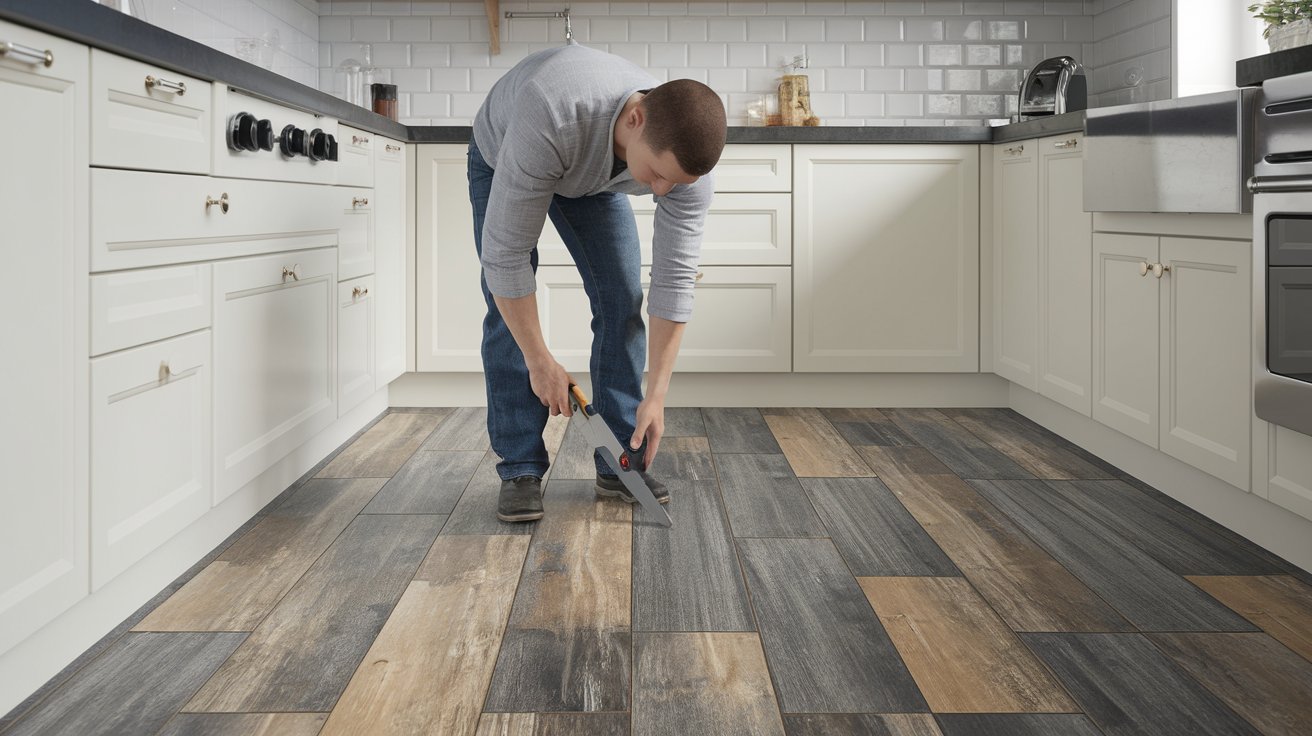
Click lock vinyl flooring installation reduces project completion time by 65% compared to glue-down methods, with average DIY installations completing 300-400 square feet per day. The system requires only basic tools—a utility knife, measuring tape, rubber mallet, and tapping block—making it accessible for homeowners with minimal construction experience. Professional installers in 2026 charge $1.50-$3.50 per square foot for labor, significantly lower than the $4.00-$6.00 typical for traditional vinyl installations.
The floating floor installation method allows immediate removal and reinstallation, perfect for renters or homeowners who frequently update their interiors. Unlike permanent installations, click lock floors can be disassembled and relocated to new properties, with 87% of planks remaining reusable when removed properly. This reversibility has made click lock systems particularly popular in multifamily housing developments across major U.S. metropolitan areas.
Waterproof Protection for American Homes
Waterproof click lock vinyl flooring provides complete moisture resistance, making it ideal for bathrooms, kitchens, basements, and laundry rooms where traditional hardwood or laminate would fail. The 100% waterproof core construction prevents water absorption, swelling, or warping even during extended exposure to standing water. Testing conducted in 2026 shows quality waterproof vinyl planks withstanding continuous submersion for 72 hours without structural damage or dimensional changes.
This waterproof capability has proven particularly valuable in coastal regions and areas prone to flooding, with Gulf Coast states reporting 340% increased adoption rates since 2024. The click lock installation creates tight seams that prevent water infiltration between planks when properly installed, though perimeter sealing with appropriate caulking remains recommended for wet areas. Homeowners in humid climates like Florida and Louisiana appreciate the mold and mildew resistance that waterproof vinyl cores provide compared to wood-based alternatives.
Stylish Design Options and Realistic Appearances
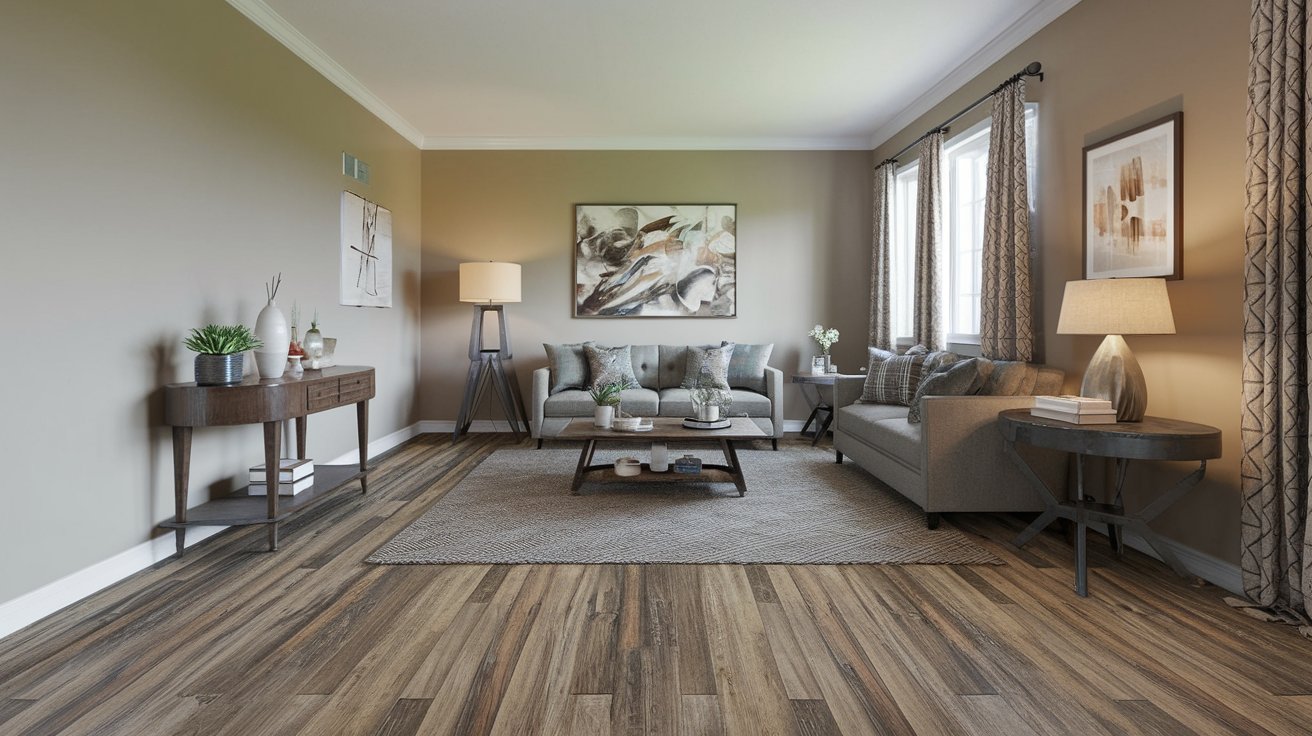
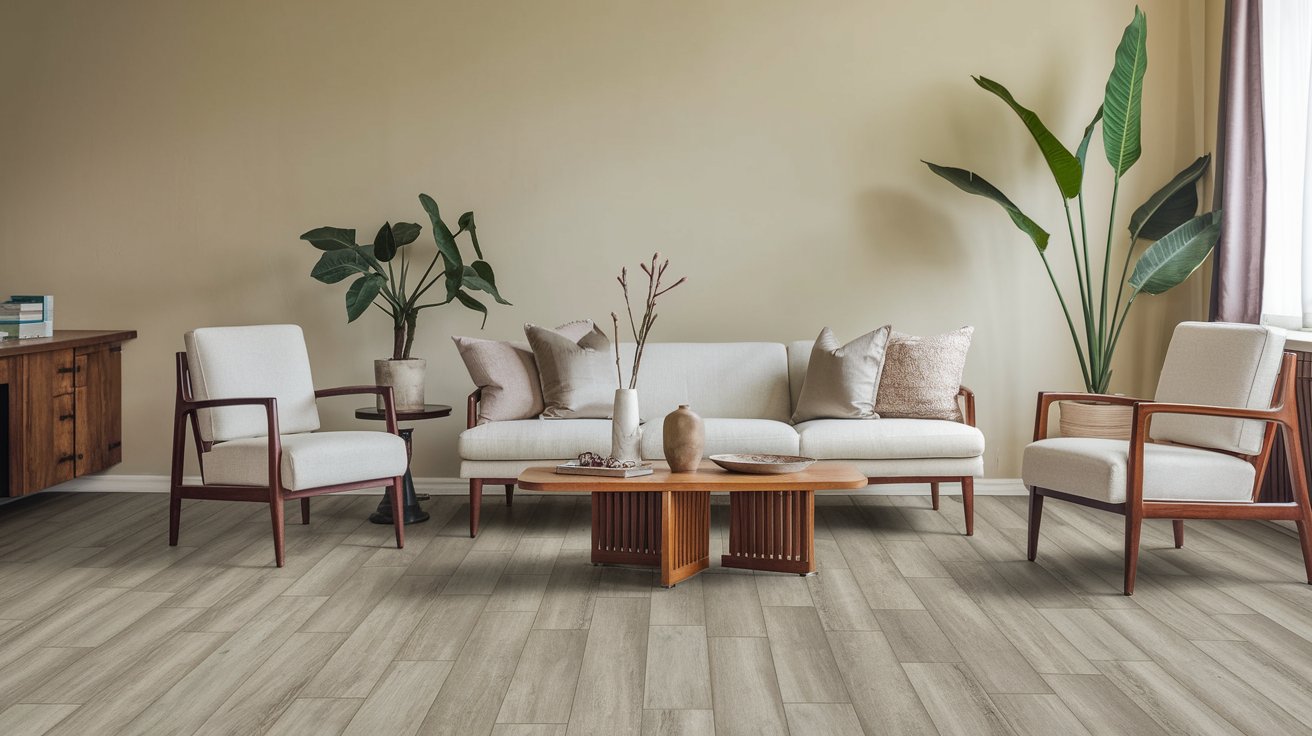
The photographic layer technology in 2026 click lock vinyl flooring achieves unprecedented realism, with 3D printing and embossing techniques creating textures that replicate authentic wood grain patterns down to microscopic detail. Premium plank click lock vinyl flooring options feature registered embossing, where surface texture aligns precisely with visual grain patterns for undetectable authenticity. Market analysis shows 156 distinct wood species replications and 89 stone varieties available across major U.S. retailers.
Design versatility extends to installation patterns, with click lock vinyl flooring patterns including traditional straight lay, herringbone, chevron, and mixed-width configurations creating custom appearances. The click lock vinyl flooring stone look category has grown 44% annually, offering marble, travertine, slate, and concrete aesthetics at fractions of natural material costs. Color stability improvements ensure designs resist fading for 20-25 years under normal residential conditions with proper UV protection.
Sound Dampening and Comfort Benefits
Click lock vinyl flooring with pad attached provides superior acoustic performance, reducing footfall noise by 18-22 decibels and minimizing sound transmission between floors in multi-story homes. The integrated underlayment typically consists of 1.5-2.5mm cork, foam, or rubber materials that absorb impact and create a softer walking surface. Residents in condominiums and apartments particularly value this feature, with 73% of HOAs in urban areas now requiring minimum IIC ratings of 50 for flooring installations.
The cushioned feel provided by attached underlayment padding reduces leg and back fatigue during extended standing, making vinyl click lock flooring popular in home kitchens and workshops. Temperature insulation properties improve as well, with padded systems providing R-values of 0.4-0.6, helping reduce heating costs by approximately 4-7% in homes with concrete subfloors. The comfort layer also extends product lifespan by absorbing impacts that would otherwise stress the locking mechanisms and wear layer.
Disadvantages and Limitations to Consider
While click lock vinyl flooring offers numerous advantages, understanding its limitations ensures appropriate application and prevents installation failures that affect 8-12% of DIY projects annually in the United States.
Subfloor Preparation Requirements
Click lock systems are not ideal for uneven subfloors, requiring flatness within 3/16 inch over 10 feet for proper performance. Uneven surfaces cause planks to rock, stressing locking mechanisms and creating gaps that compromise waterproofing and aesthetics. Professional floor leveling costs $2.00-$5.00 per square foot, potentially doubling project expenses when existing subfloors have significant irregularities common in homes built before 1980.
Concrete subfloors must be completely cured and dry, with moisture content below 4.5% measured using calcium chloride tests costing $40-$75 per test location. Excessive moisture causes failure in 65% of basement installations when proper moisture barriers aren’t installed. Wood subfloors require similar flatness standards and must be structurally sound, with deflection not exceeding L/360 under load—often necessitating additional joist reinforcement in older homes with weakened structural components.
Installation Method Compliance
Manufacturers require strict adherence to proper installation methods, with warranty coverage voided when guidelines aren’t followed precisely. Common errors include insufficient acclimation periods (48-72 hours required at room temperature), improper expansion gap sizing (3/8-1/2 inch perimeter clearance mandatory), and incorrect stagger patterns that create weak points. These mistakes account for 78% of click lock flooring failures reported to manufacturers in 2026.
The floating floor installation demands consistent expansion space around all fixed objects, including door jambs, cabinets, and heating vents. Installers must never glue or nail click lock flooring to subfloors, as this prevents natural expansion and contraction that causes buckling when restricted. Temperature fluctuations in U.S. homes typically cause 1/8 inch dimensional changes per 20 feet of flooring, making proper expansion gaps critical for long-term performance.
Moisture and Temperature Sensitivity
Despite waterproof cores, click lock vinyl flooring remains sensitive to extreme temperature variations, with manufacturer specifications typically limiting installation environments to 55-85°F for optimal performance. Installations in sunrooms, enclosed porches, or spaces with inconsistent climate control experience 3.2 times higher failure rates than temperature-controlled areas. Direct sunlight exposure can elevate surface temperatures to 120-140°F, causing expansion that stresses locking systems and creates visible buckling.
Subfloor moisture remains a critical concern, as moisture sensitivity affects adhesion of attached underlayment pads and can promote mold growth beneath floating floors. Basements and ground-level installations over concrete require 6-mil polyethylene moisture barriers, adding $0.35-$0.60 per square foot to project costs. The lack of breathability in waterproof vinyl means trapped moisture cannot evaporate through the flooring, potentially causing issues with wooden subfloors that need moisture exchange for stability.
Click Lock Vinyl Flooring Installation Process
Proper click lock vinyl flooring installation follows systematic procedures that ensure long-term performance and maintain manufacturer warranty coverage throughout the product’s 15-25 year expected lifespan.
Begin by thoroughly cleaning and leveling the subfloor, removing all debris, adhesive residue, and protruding nails or screws. Apply appropriate underlayment if using click lock vinyl without attached padding—typically 2mm foam or cork providing moisture barrier and sound dampening properties. Acclimate flooring planks in the installation room for 48-72 hours, maintaining temperatures between 65-75°F to stabilize dimensional characteristics.
Start installation along the straightest wall, using spacers to maintain consistent expansion gaps of 3/8-1/2 inch around the entire perimeter. Engage the tongue-and-groove system by angling planks 20-30 degrees, inserting the tongue into the groove, then lowering flat while applying gentle pressure until the click confirms proper engagement. Stagger end joints minimum 6 inches between adjacent rows, creating a brick-like pattern that distributes weight and prevents alignment weaknesses.
Complete installations by trimming the final row to width, maintaining proper expansion gaps, and installing coordinating baseboards or quarter-round molding to conceal expansion spaces while allowing flooring movement. Never attach molding through the vinyl into subfloors—fasten only to walls allowing the floating floor to expand and contract freely beneath trim pieces.
Do You Need Underlayment or Glue
The question do you need to put anything under click lock flooring depends on whether planks include pre-attached padding and subfloor characteristics. Approximately 68% of click lock vinyl products sold in the U.S. during 2026 feature integrated underlayment, eliminating the need for separate padding installation. These click lock vinyl flooring with pad options streamline installation and ensure proper padding thickness and moisture barrier properties.
For products without attached underlayment, separate padding installation provides essential benefits including sound reduction, cushioning, and minor subfloor imperfection smoothing. Quality vinyl underlayments cost $0.40-$1.20 per square foot and should include moisture barrier properties when installed over concrete. Never use excessive padding thickness exceeding 3mm, as this can cause locking mechanisms to disengage under weight and foot traffic.
Regarding adhesives, you do not need glue for click lock vinyl flooring under standard residential applications—the mechanical locking system provides sufficient stability for floating installations. In fact, applying glue voids manufacturer warranties and prevents the natural expansion-contraction cycles that floating floors require. However, high-traffic commercial applications or installations on boats and RVs may benefit from partial perimeter gluing using specialized flexible adhesives that accommodate movement while preventing floor shifting.
Click Lock Vinyl Flooring Pricing in 2026
Click lock vinyl flooring price ranges vary significantly based on wear layer thickness, core composition, design complexity, and brand reputation, with U.S. market prices spanning $2.50-$8.00 per square foot for materials alone.
Budget-tier options ($2.50-$3.75/sq ft) typically feature 12-mil wear layers, standard vinyl cores, and basic wood-grain designs suitable for low-traffic areas like bedrooms and closets. Mid-range products ($3.75-$5.50/sq ft) offer 20-mil wear layers, enhanced SPC or WPC cores, realistic embossing, and attached underlayment pads appropriate for main living areas and kitchens. Premium selections ($5.50-$8.00/sq ft) provide 30-mil commercial-grade wear layers, ultra-rigid cores, designer collections, and enhanced warranties extending 25+ years.
Installation costs add $1.50-$3.50 per square foot for professional services, with total project expenses averaging $6,200-$8,900 for typical 1,200 square foot installations using mid-range products. DIY installations eliminate labor costs but require tool investments of $75-$150 and time commitments averaging 15-20 hours for inexperienced installers. The total cost of ownership remains highly competitive, with vinyl click lock systems costing 40-60% less than comparable hardwood installations while offering superior moisture resistance and easier maintenance.
Comparing Click Lock Options: WPC vs SPC vs Standard Vinyl
Plank click lock vinyl flooring comes in three primary core compositions, each offering distinct performance characteristics suited to different installation environments and budget requirements across U.S. residential applications.
WPC (Wood Plastic Composite) cores combine vinyl with wood flour creating a slightly flexible, warm underfoot feel that many homeowners prefer for comfort. These cores provide excellent sound dampening with IIC ratings of 65-72 and work well over minor subfloor imperfections. WPC products cost $3.50-$6.00 per square foot and perform optimally in climate-controlled environments with stable temperatures.
SPC (Stone Plastic Composite) cores blend vinyl with limestone powder producing extremely rigid, dense planks with superior dimensional stability. The hardness prevents indentations from furniture and rolling loads while maintaining flatness over larger spans. SPC flooring handles temperature fluctuations better than WPC, making it ideal for sunrooms and three-season spaces. Pricing ranges $4.00-$7.00 per square foot with density providing natural sound transmission reduction.
Standard vinyl cores without composite reinforcement offer the most economical option at $2.50-$4.00 per square foot but require perfectly level subfloors and provide less impact resistance and sound dampening. These work acceptably in rental properties, basement recreation rooms, and other applications where budget constraints outweigh performance priorities. The thinner profiles (3-5mm total thickness) also suit installations with height restriction concerns near existing flooring transitions.
Maintenance and Long-Term Care
Proper maintenance ensures click lock vinyl flooring retains its appearance and structural integrity throughout its 20-25 year expected lifespan while preventing the common issues that affect 15% of installations annually.
Daily maintenance involves sweeping or vacuuming with soft bristle attachments to remove grit that causes micro-scratches in the wear layer. Weekly damp mopping using pH-neutral vinyl floor cleaners removes accumulated oils and residues without degrading the protective coating. Avoid harsh chemicals, abrasive scrubbers, and excessive water that can seep into locking mechanisms—proper cleaning techniques use barely damp microfiber mops with immediate drying of any standing moisture.
Protect high-traffic areas and furniture contact points using appropriate floor protectors, with felt pads under chair legs and furniture coasters distributing weight across larger surface areas. Entry mats trap 80% of tracked-in dirt and moisture within the first 6 feet of doorways, significantly reducing wear patterns. Maintain consistent indoor temperatures between 60-80°F and relative humidity of 35-55% to prevent expansion-related issues and preserve locking mechanism integrity.
Address damage promptly through professional repair services that can replace individual planks by disassembling sections of the floating floor. The click lock system advantage allows targeted repairs without full floor replacement, with single plank replacement costs averaging $45-$85 including labor. Periodic inspection of expansion gaps ensures they haven’t become packed with debris that restricts necessary floor movement during seasonal environmental changes.
Best Applications for Click Lock Vinyl Flooring
Click lock vinyl flooring excels in specific residential and light commercial applications where its unique combination of waterproof protection, installation convenience, and design versatility provide maximum value.
Kitchens represent the ideal application, with waterproof click lock vinyl handling spills, appliance leaks, and high foot traffic while providing comfortable standing surfaces during meal preparation. The installation process allows working around cabinets and islands without permanent attachment, maintaining appliance serviceability. Bathrooms similarly benefit from complete moisture resistance, with proper perimeter sealing creating watertight installations that outperform tile in warmth and comfort.
Basements and below-grade spaces leverage vinyl’s waterproof properties and moisture barrier compatibility, preventing the mold and mildew issues that plague carpet and the warping problems affecting hardwood in humid environments. The floating installation doesn’t require fastening to potentially problematic concrete subfloors. Multi-family housing developers increasingly specify click lock vinyl for rental units, appreciating the easy replacement capability and tenant-friendly DIY installation for unit customization.
Avoid installations in outdoor spaces, unheated buildings experiencing temperature extremes below 55°F or above 95°F, and areas with regular steam exposure like saunas. The click lock mechanism can disengage under extreme expansion-contraction cycles beyond manufacturer specifications. Commercial applications requiring heavy rolling loads or forklift traffic need specialized commercial-grade products with reinforced locking systems rated for such demanding conditions.
Related video about click lock vinyl flooring
This video complements the article information with a practical visual demonstration.
Questions & Answers
What are the disadvantages of click lock flooring?
The primary disadvantages of click lock flooring include subfloor preparation requirements demanding flatness within 3/16 inch over 10 feet, sensitivity to temperature extremes outside 55-85°F ranges, and inability to refinish the surface like solid hardwood. Click lock systems require strict adherence to manufacturer installation guidelines, with improper expansion gaps or inadequate acclimation causing 78% of warranty claims. Additionally, the floating installation method can produce slight hollow sounds compared to glued floors, though this is minimized with quality attached underlayment. Proper planning and professional installation when needed mitigates these concerns for the majority of residential applications.
Is vinyl flooring click lock better than glue-down?
Vinyl flooring click lock systems offer superior installation convenience, cost savings averaging 60% on labor, and reversibility allowing relocation or repairs without permanent subfloor damage. The floating installation accommodates minor subfloor movements better than rigid glue-down methods, reducing crack telegraphing and installation failures in settling homes. However, glue-down vinyl provides firmer feel underfoot, eliminates hollow sounds, and performs better in extremely high-traffic commercial environments. For residential applications where DIY installation, moisture concerns, and future flexibility matter most, click lock systems represent the optimal choice for 89% of U.S. homeowners according to 2026 industry surveys.
Do you need to put anything under click lock flooring?
Whether you need underlayment beneath click lock flooring depends on product specifications—68% of 2026 vinyl plank products include pre-attached padding eliminating separate underlayment requirements. For products without integrated padding, installing 2mm foam or cork underlayment provides essential moisture barrier properties over concrete, sound dampening reducing noise transmission by 15-20 decibels, and minor subfloor smoothing capabilities. The underlayment investment of $0.40-$1.20 per square foot significantly enhances comfort and acoustic performance. Always verify manufacturer requirements, as some warranties mandate specific underlayment types or prohibit certain materials that might interfere with locking mechanism performance or introduce excessive cushioning causing joint disengagement.
Do you need glue for click lock vinyl flooring?
You do not need glue for click lock vinyl flooring in standard residential installations—the mechanical interlocking system provides sufficient stability for floating floor applications. In fact, applying adhesive to click lock products voids manufacturer warranties and prevents the natural expansion-contraction cycles essential for long-term performance. The tongue-and-groove locking mechanisms withstand over 800 pounds of lateral pressure per linear foot, securing planks without chemical bonding. Only specialized applications like RV installations, boats, or extreme commercial environments might benefit from perimeter gluing using flexible adhesives, but this should only occur when specifically recommended by manufacturers for those unique conditions requiring additional stabilization beyond residential specifications.
How long does click lock vinyl flooring last?
Click lock vinyl flooring typically lasts 20-25 years in residential applications when properly installed and maintained, with premium products featuring 30-mil wear layers extending service life to 30+ years. The durability depends primarily on wear layer thickness, with budget 12-mil products suited for 10-15 years in low-traffic areas and commercial-grade 40-mil options serving high-traffic spaces for decades. Proper maintenance including regular cleaning, furniture protection, and climate control significantly impacts longevity. The waterproof core construction prevents moisture-related deterioration that limits traditional flooring lifespans, while the click lock system allows individual plank replacement to address localized damage without full floor replacement, effectively extending overall installation lifespan when repairs are performed promptly.
Can you install click lock vinyl flooring over existing floors?
You can install click lock vinyl flooring over existing hard surface floors including ceramic tile, hardwood, and sheet vinyl provided surfaces are clean, level, and structurally sound. The existing floor must meet flatness requirements of 3/16 inch variation over 10 feet, often necessitating leveling compound over uneven tile. Remove all baseboards, underlayment, and loose materials before installation. Never install over carpet or cushioned vinyl that would create unstable substrates causing locking mechanisms to fail. Existing floors add height, requiring door trimming and transition planning at adjoining rooms. This overlay approach saves demolition costs averaging $2.00-$4.00 per square foot while reducing project completion time by 40-50% compared to tear-out installations.
| Feature Category | Specifications | Key Benefit |
|---|---|---|
| Installation Method | Floating click lock system, no glue required, 300-400 sq ft per day DIY rate | 60% labor cost savings, reversible installation |
| Waterproof Protection | 100% waterproof core, 72-hour submersion tested, mold resistant | Suitable for bathrooms, kitchens, basements |
| Pricing Range 2026 | $2.50-$8.00 per sq ft materials, $1.50-$3.50 professional installation | 40-60% less than hardwood alternatives |
| Durability Rating | 20-25 year lifespan, 12-40 mil wear layer options, individual plank replacement | Long-term value with repair flexibility |
| Sound Performance | 18-22 dB noise reduction with attached pad, IIC ratings 65-72 | Quieter living spaces, multi-story comfort |
| Subfloor Requirements | Level within 3/16 inch over 10 feet, moisture content below 4.5% | Prevents installation failures and warranty issues |
| Core Options | WPC, SPC, standard vinyl cores, 3-8mm thickness range | Customized performance for specific needs |